

 SkillClick
Sandy Loam Soil in Victoria Australia: Properties, Benefits, Management and Gardening Guide
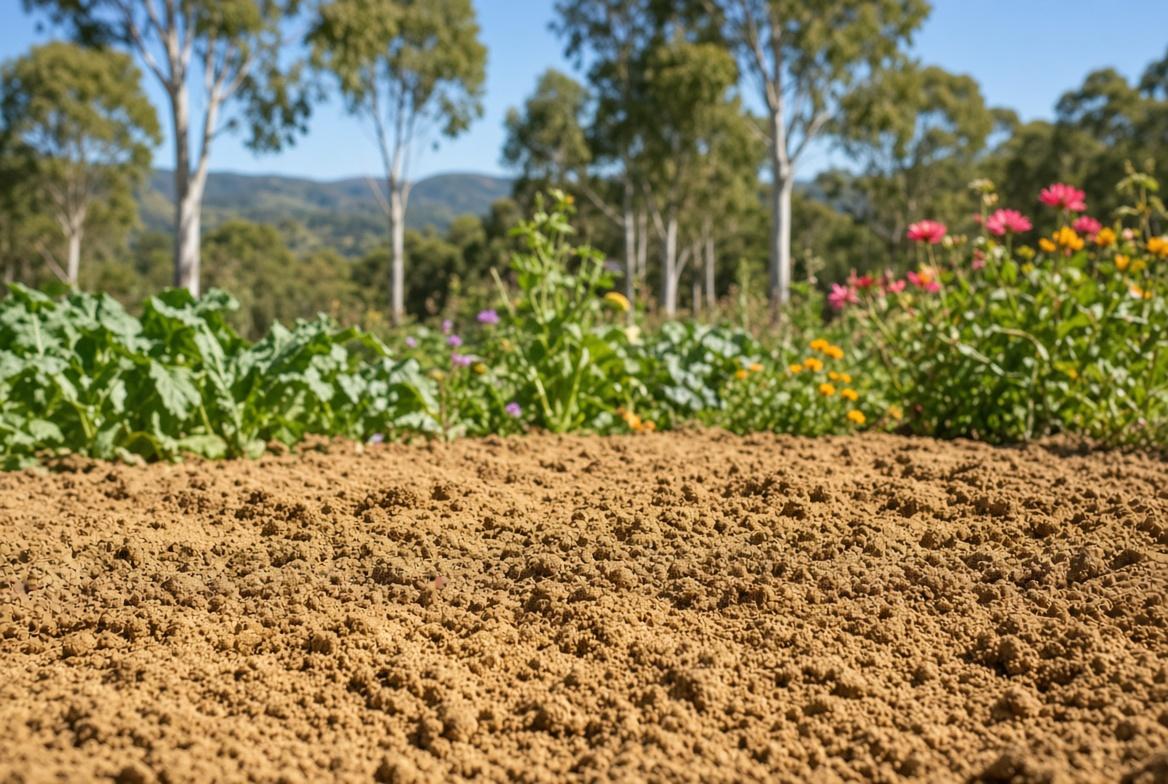
Sandy loam represents one of the most practical and widely valued soil textures for gardening, landscaping and certain agricultural uses across Victoria, Australia. This balanced medium combines the free-draining qualities of sand with enough silt and clay to retain moderate moisture and nutrients, creating conditions that support healthy root development while reducing many of the extremes found in pure sand or heavy clay. In a state where soil types vary dramatically from coastal dunes to volcanic plains and sedimentary valleys, sandy loam appears in significant areas and offers particular advantages for home gardeners, turf managers and landscape professionals who understand its behaviour under Victorian climate patterns.
What is Sandy Loam Soil
Sandy loam is defined by its particle size distribution, typically containing roughly fifty to seventy percent sand, twenty to thirty percent silt and ten to twenty percent clay, along with a useful proportion of organic matter in well-managed profiles. When moist soil is squeezed in the hand it forms a soft ball that crumbles easily rather than holding a firm shape or falling apart completely.
This texture gives the soil a light, friable feel that is easy to dig and cultivate. Across Victoria, sandy loam surfaces are common in coastal zones around Geelong, parts of the Mornington Peninsula, the Cranbourne and Nyora districts, sections of south-eastern Melbourne that once supported market gardens, and some inland sand sheets in the western Wimmera.
These soils often overlie clay subsoils at varying depths, creating texture-contrast profiles that influence drainage and root exploration. The relatively high sand content allows rapid infiltration of rainfall, which is valuable during the state’s occasional heavy winter storms, while the silt and clay fractions provide limited but meaningful water-holding capacity compared with pure sandy soils.
Characteristics and Benefits of Sandy Loam in Victoria
The primary strengths of sandy loam lie in its drainage, aeration and workability. Water moves freely through the profile, greatly reducing the risk of waterlogging that can damage roots in heavier Victorian clay soils during prolonged wet periods. Oxygen reaches plant roots readily, encouraging deep and extensive root systems that improve drought resilience once plants are established.
The soil warms more quickly in spring than clay-dominated ground, giving an earlier start to growth for many vegetables, annuals and turf grasses. Its light structure makes it straightforward to prepare seedbeds, plant containers or lay turf, and it resists severe compaction better than finer-textured soils when traffic is managed carefully. In Victorian conditions, where summers can bring hot, dry spells and winters deliver cool, moist weather, sandy loam supports a wide range of uses including lawn establishment, raised garden beds, vegetable production and native plantings.
Root crops such as carrots, beetroot and potatoes develop clean shapes with less obstruction, while many Mediterranean herbs and certain Australian coastal natives thrive in the free-draining environment. When organic matter is maintained at moderate levels the soil also holds enough nutrients to support steady growth without the extreme leaching sometimes seen in pure sands.
Challenges of Managing Sandy Loam Soils
Despite its advantages, sandy loam presents specific management issues that gardeners and land managers in Victoria must address. Plant-available water capacity is lower than in loams or clay loams, so the soil dries out more rapidly during summer heatwaves and plants can experience moisture stress sooner if irrigation or rainfall is insufficient. Nutrients, especially nitrogen and potassium, tend to leach more readily with drainage water, meaning fertility can decline unless regular organic inputs or carefully timed fertiliser applications are provided.
Surface layers sometimes develop water repellence, particularly after dry periods, causing rainfall or irrigation to bead and run off rather than infiltrate evenly. In exposed sites the loose texture increases susceptibility to wind erosion if vegetation cover is sparse. Where a sandy loam topsoil sits over a dense or sodic clay subsoil, roots may be restricted and temporary waterlogging can occur at the interface after heavy rain. Acidity can also develop in higher-rainfall districts, limiting nutrient availability. These constraints are well documented across southern Australian sandy soils and require proactive rather than reactive management to maintain productivity.
Improving and Maintaining Sandy Loam for Gardening and Landscaping
Successful long-term performance of sandy loam in Victoria centres on building and protecting organic matter. Regular incorporation of well-rotted compost, aged manure or other stable organic amendments improves water retention, increases cation exchange capacity and feeds beneficial soil biology. A practical approach involves spreading a generous layer and working it into the top fifteen to twenty centimetres, then repeating smaller additions annually.
Surface mulching with organic materials such as wood chip, straw or leaf litter further reduces evaporation, moderates temperature extremes and slowly contributes organic matter as it breaks down. Watering practices should favour deeper, less frequent applications once plants are established, encouraging roots to explore further into the profile.
Smaller, more frequent nutrient applications help match supply with plant demand and minimise leaching losses. In acidic situations, agricultural lime or dolomite can raise pH and improve calcium and magnesium availability, while gypsum may assist where subsoil sodicity is present.
For larger landscape or turf projects, screened sandy loam blends that meet relevant Australian standards provide consistent particle size and low weed-seed content. Building and Garden Supplies can supply quality sandy loam and complementary soil conditioners suited to Victorian garden and landscaping needs. Monitoring soil moisture and occasional testing for pH and major nutrients allow adjustments tailored to specific sites and plant requirements.
Ideal Uses and Plant Suitability in Victorian Conditions
Sandy loam finds extensive application in residential gardens, public landscaping, sports turf and horticultural production throughout Victoria. It forms an excellent base for new lawns and turf underlay because of its drainage and ease of levelling. Raised vegetable beds benefit from the workable texture and reduced risk of waterlogging.
Many Australian native species adapted to sandy coastal or heath environments perform reliably, as do Mediterranean plants such as lavender, rosemary and various drought-tolerant perennials. With appropriate organic enrichment the soil also supports productive vegetable gardens featuring root crops, leafy greens and many fruiting plants.
In civil and commercial settings it is valued for parklands, roadside plantings and water-sensitive urban design where balanced infiltration and moderate water-holding capacity are required. Careful plant selection that matches the free-draining nature of the soil, combined with ongoing organic matter management, produces resilient and attractive landscapes across the varied climatic zones of the state.
- Managerial Effectiveness!
- Future and Predictions
- Motivatinal / Inspiring
- Fitness and Wellness
- Medical & Health
- Manufacturing
- Education
- Real-Estate
- Food Industry
- Hospitality
- Online Games
- Sports
- Home Services
- Civil Engineering
- Safety and Protection
- Software Products & Services
- Fashion and Jewellery
- Artificial Intelligence
- Entrepreneurship
- Mentoring & Guidance
- Marketing
- Networking
- HR & Recruiting
- Literature
- Shopping
- Career Management & Advancement