

 SkillClick
Gardening Material Supplies in Victoria Australia for Thriving Home Gardens and Landscapes
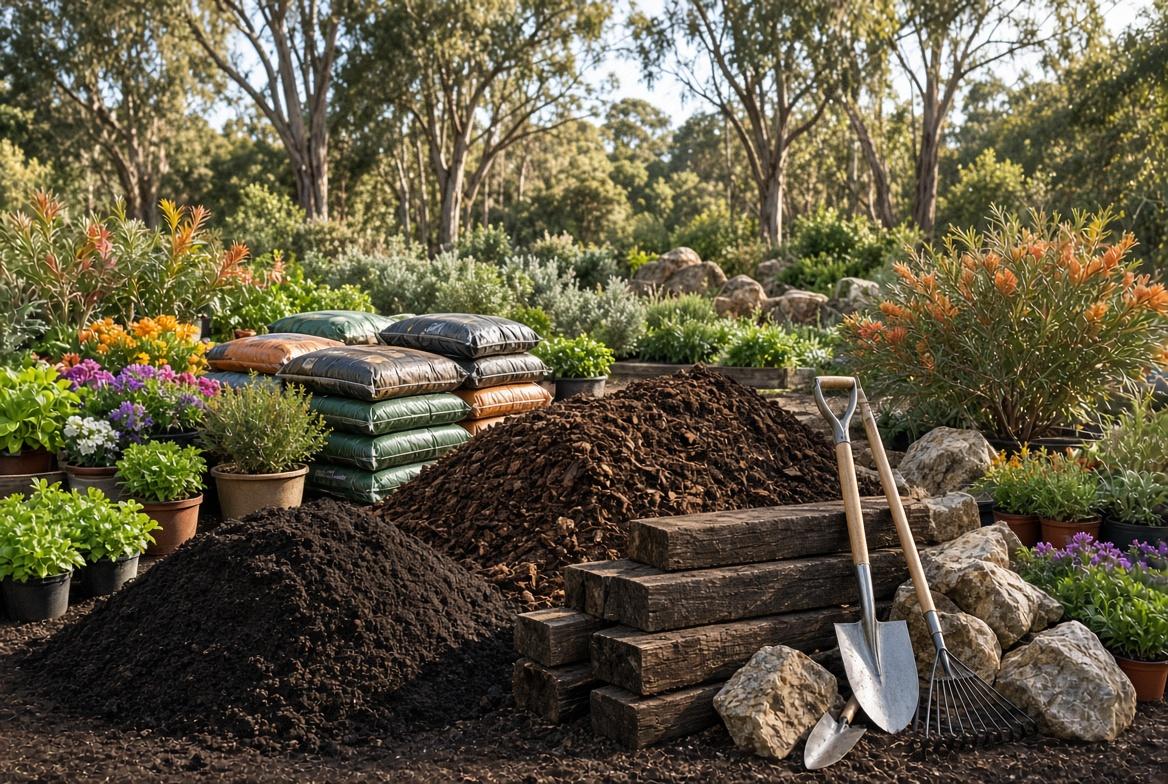
Victoria offers a diverse climate that ranges from temperate coastal conditions around Melbourne to cooler highland areas and warmer inland regions, creating unique opportunities and challenges for gardeners. Access to quality gardening material supplies becomes essential for anyone seeking to establish productive vegetable patches, vibrant flower beds, resilient lawns, or sustainable landscape designs.
From nutrient-rich soils and organic mulches to reliable irrigation components and durable tools, the right materials support healthy plant growth while addressing local factors such as seasonal rainfall patterns, soil types that vary from sandy coastal earth to clay-heavy inland profiles, and the need for water-efficient practices during drier months. Understanding these supplies in the Victorian context allows gardeners to make informed choices that align with environmental conditions and long-term garden success.
Essential Soil and Growing Media for Victorian Gardens
Soil forms the foundation of every successful garden, and in Victoria the natural ground often requires improvement to support a wide range of plants. Many properties feature compacted clay soils that retain water poorly or sandy profiles that drain too quickly, both of which can limit root development and nutrient availability. Quality gardening material supplies include specially formulated garden soils, potting mixes, and compost blends designed to improve structure, aeration, and fertility.
These products typically incorporate organic matter that enhances microbial activity, helping plants absorb nutrients more effectively throughout the cooler winters and warmer summers experienced across the state. Raised garden beds benefit particularly from premium soil mixes that provide consistent drainage and moisture retention, reducing the risk of waterlogging during heavy spring rains common in southern Victoria. Selecting growing media suited to local conditions also supports the cultivation of popular Victorian favourites such as citrus trees, native plants, and seasonal vegetables that thrive when the soil environment matches their needs.
Mulches and Ground Covers That Conserve Moisture and Suppress Weeds
Mulching remains one of the most practical strategies for Victorian gardeners dealing with fluctuating rainfall and summer heat. Organic mulches derived from bark, wood chips, straw, or composted green waste create a protective layer over the soil surface that slows evaporation, moderates temperature extremes, and gradually breaks down to enrich the earth below.
In coastal areas where salt-laden winds can stress plants, a thick mulch layer offers additional protection, while inland gardens benefit from the weed-suppressing qualities that reduce competition for limited water resources. Inorganic options such as gravel or pebbles serve decorative and functional purposes in xeriscape designs or around pathways, providing long-lasting coverage with minimal maintenance.
Applying the correct depth of mulch—generally between five and ten centimetres—ensures optimal performance without smothering plant roots or creating habitats for pests. When sourced as part of comprehensive gardening material supplies, these products help maintain soil health year-round and contribute to more resilient landscapes across Victoria’s varied microclimates.
Fertilizers and Soil Amendments for Balanced Nutrition
Plants growing in Victorian soils often require supplementary nutrition to achieve vigorous growth and abundant flowering or fruiting. Slow-release fertilizers, organic pellets, liquid feeds, and specialised amendments address deficiencies in nitrogen, phosphorus, potassium, and trace elements that can occur in depleted or naturally low-fertility ground. Native Australian plants, which form an important part of many local gardens, generally prefer low-phosphorus formulations that prevent toxicity, whereas vegetable plots and ornamental beds respond well to balanced or higher-nitrogen products during active growing seasons.
Soil amendments such as gypsum improve clay structure by reducing compaction, while lime adjusts pH levels in acidic soils common in higher rainfall zones. Regular testing and thoughtful application of these materials prevent over-fertilisation, which can harm beneficial soil organisms and lead to nutrient runoff into waterways. Integrating the right fertilizers and amendments into a broader selection of gardening material supplies enables gardeners to tailor nutrition programs that match plant requirements and seasonal cycles throughout Victoria.
Irrigation Components and Water Management Solutions
Efficient water use ranks among the highest priorities for Victorian gardeners, particularly as climate patterns continue to shift and water restrictions occasionally apply. Drip irrigation systems, soaker hoses, timers, and adjustable sprinklers deliver moisture directly to root zones with minimal waste, supporting healthy plant development while conserving a precious resource. Rainwater harvesting accessories, including tanks, pumps, and filtration units, further enhance sustainability by capturing and utilising natural precipitation common during the cooler months.
In areas with heavier clay soils, careful irrigation design prevents surface pooling and encourages deeper root growth, whereas sandy soils benefit from more frequent, lighter applications. Mulch combined with targeted watering dramatically reduces overall consumption, allowing gardens to remain productive even during extended dry spells. High-quality irrigation components form a critical category within gardening material supplies, empowering residents across Melbourne, Geelong, Ballarat, and regional centres to create water-wise landscapes that flourish under local conditions.
Tools, Containers, and Supporting Accessories
Reliable tools and containers simplify everyday garden tasks and expand the possibilities for growing in limited spaces. Durable hand tools such as trowels, secateurs, and weeding implements handle Victoria’s varied soil textures with ease, while larger equipment supports soil preparation and maintenance on bigger properties. Pots, troughs, and raised planter boxes manufactured from weather-resistant materials allow container gardening on balconies, courtyards, and paved areas, offering flexibility for renters and homeowners alike.
Stakes, trellises, and plant supports guide climbing species and protect young plants from strong winds that frequently sweep across open Victorian landscapes. Protective netting and frost cloths shield sensitive crops during unexpected cold snaps, especially in elevated regions. When these practical items form part of a complete range of gardening material supplies, they enable both novice and experienced gardeners to work efficiently and achieve professional results.
Sustainable Practices and Local Considerations
Sustainability underpins modern gardening approaches in Victoria, where environmental stewardship and biodiversity receive increasing attention. Choosing materials that support native plant communities, reduce chemical inputs, and promote healthy soil ecosystems aligns with broader conservation goals. Organic and recycled products minimise environmental impact while still delivering the performance required for productive gardens.
Local climate knowledge—such as the need for frost protection in the Dandenong Ranges or heat tolerance in northern Victoria—guides material selection and application timing. Incorporating native species into plantings further reduces reliance on intensive care and encourages beneficial insects and birds. Thoughtful use of gardening material supplies therefore contributes not only to individual garden success but also to healthier local ecosystems across the state.
Building and Garden Supplies provides a comprehensive selection of these essential products tailored to Victorian conditions, helping residents create and maintain thriving outdoor spaces.
FAQs
What types of soil mixes work best for Victorian vegetable gardens?
Most vegetable gardens perform well with enriched garden soil blends that improve drainage and fertility. Adding compost or specialised potting mixes helps overcome the limitations of native clay or sandy soils and supports consistent harvests throughout the growing season.
How often should mulch be replenished in Melbourne’s climate?
Organic mulch typically needs topping up once or twice a year as it decomposes. Checking depth in spring and autumn ensures continuous moisture conservation and weed control during both wet and dry periods.
Are slow-release fertilizers suitable for native plants in Victoria?
Low-phosphorus slow-release formulations designed for Australian natives provide gentle nutrition without the risk of toxicity. These products release nutrients gradually and suit the lower fertility preferences of many local species.
What irrigation system is most water-efficient for suburban gardens?
Drip irrigation combined with a timer delivers water precisely where plants need it, reducing evaporation and runoff. This approach proves especially valuable during summer and under any water restriction measures.
Can container gardening succeed in cooler Victorian regions?
Yes, provided pots contain high-quality mix, receive appropriate protection from frost, and sit in positions that maximise available sunlight. Choosing cold-tolerant plants and using insulating materials further improves results.
- Managerial Effectiveness!
- Future and Predictions
- Motivatinal / Inspiring
- Fitness and Wellness
- Medical & Health
- Manufacturing
- Education
- Real-Estate
- Food Industry
- Hospitality
- Online Games
- Sports
- Home Services
- Civil Engineering
- Safety and Protection
- Software Products & Services
- Fashion and Jewellery
- Artificial Intelligence
- Entrepreneurship
- Mentoring & Guidance
- Marketing
- Networking
- HR & Recruiting
- Literature
- Shopping
- Career Management & Advancement