

 SkillClick
Haemorrhoids Treatment in Dubai | Life After Treatment
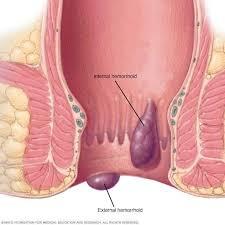
Haemorrhoids can be uncomfortable and disruptive, especially when symptoms such as itching, swelling, bleeding, or pain continue for a long time. While appropriate treatment can help manage these problems, the recovery period and daily habits afterward are also important. Taking sensible steps after treatment may support healing and reduce factors that can contribute to future haemorrhoid problems.
For people considering Haemorrhoids treatment in Dubai, understanding aftercare can make the overall treatment journey easier. Recovery requirements vary depending on whether symptoms were managed with lifestyle changes, medication, a minimally invasive procedure, or surgery. Following the recommended instructions for your specific treatment is therefore essential.
What Happens After Haemorrhoids Treatment?
The recovery experience depends on the type and severity of the haemorrhoids and the treatment performed. Some patients may experience only mild temporary discomfort, while others may need more time before returning completely to their usual routine.
After treatment, the main goals are generally to support comfortable bowel movements, avoid unnecessary pressure in the anal area, maintain good hygiene, and follow the recommended recovery plan.
It is normal to have questions about when to exercise, what to eat, how to sit comfortably, and when to return to work. These details should be discussed according to the treatment received.
Focus on Healthy Bowel Movements
One of the most important aspects of haemorrhoid recovery is preventing constipation. Hard stools can increase pressure around the rectal area and may lead to straining.
A balanced diet containing appropriate amounts of fibre can help support softer and more regular bowel movements. Fibre can be obtained from foods such as:
- Fruits
- Vegetables
- Whole grains
- Beans and lentils
- Oats
- Fibre-rich cereals
Fibre intake should generally be increased gradually if your usual diet contains little fibre. Drinking enough fluids is also important for supporting normal bowel function.
Avoid Excessive Straining
Straining during bowel movements can place additional pressure on the blood vessels and tissues around the anus. Even after treatment, repeatedly pushing hard may contribute to future symptoms.
Try to allow bowel movements to occur naturally rather than forcing them. Avoid spending unnecessarily long periods sitting on the toilet, particularly while using a mobile phone or reading.
Developing healthy toilet habits can be a simple but valuable part of long-term haemorrhoid prevention.
Stay Physically Active
Physical activity can support digestion and regular bowel function. Gentle movement may be suitable during recovery, depending on the treatment.
Walking is often a practical way to remain active without placing excessive strain on the body. However, strenuous exercise, heavy lifting, or intense workouts may need to be limited temporarily after certain procedures.
Always follow the activity recommendations given for your specific treatment.
Maintain Good Hygiene
The skin around the anus can be sensitive during and after haemorrhoid treatment. Gentle hygiene can help reduce irritation.
Avoid aggressive rubbing or harsh products that may irritate the area. Keeping the area clean and dry can support comfort.
If a particular hygiene product causes burning, itching, or increased irritation, discontinue it and seek appropriate advice.
Managing Temporary Discomfort
Some patients may experience temporary discomfort during recovery. The type and duration of discomfort depend on the treatment performed.
Your healthcare professional may recommend suitable pain-relief measures or other supportive care. Avoid taking medications without checking whether they are appropriate for you, particularly if you are already using other medicines.
Warm water soaks may provide temporary comfort for some people, but treatment-specific recommendations should always take priority.
Returning to Work and Normal Activities
The time required before returning to work depends on the treatment and the nature of your job.
Someone working at a desk may need to consider sitting comfort, while someone with a physically demanding job may need additional time before returning to heavy activity.
Returning gradually can help prevent unnecessary strain. If your work involves prolonged sitting, taking regular movement breaks may also be helpful once you are cleared to resume normal activity.
Foods That May Support Recovery
There is no single food that cures haemorrhoids, but a balanced diet can support healthy bowel function.
Consider including:
Fibre-Rich Foods
Vegetables, fruits, whole grains, legumes, and oats can contribute dietary fibre.
Adequate Fluids
Water and other suitable fluids can help support normal bowel movements.
Balanced Meals
A varied diet containing vegetables, fruits, lean protein, and whole grains can support general wellbeing during recovery.
Try to avoid dietary patterns that regularly contribute to constipation.
Why Prevention Matters
Treatment can address existing haemorrhoids, but it cannot always prevent them from developing again. The same factors that contributed to the original problem may continue to affect bowel health.
Constipation, straining, prolonged toilet sitting, insufficient fibre, and inactivity can all contribute to future problems.
Developing healthier daily habits is therefore an important part of long-term care.
When Should You Contact a Healthcare Professional?
Some temporary symptoms may occur during recovery, depending on the treatment. However, patients should seek professional advice if they notice symptoms that are severe, unexpected, or becoming progressively worse.
Potential warning signs can include significant bleeding, severe or increasing pain, fever, dizziness, fainting, or other unusual symptoms.
Do not assume that every new symptom is simply part of normal recovery.
Can Haemorrhoids Come Back After Treatment?
Yes, recurrence is possible. Treatment can reduce or remove existing haemorrhoids, but contributing factors such as constipation and straining can remain.
This is why prevention should continue even when symptoms have disappeared.
Regular physical activity, adequate fibre, sufficient fluids, and sensible bathroom habits can help support long-term bowel health.
How Tajmeels Clinic Can Fit Into Your Treatment Research
When researching Haemorrhoids Treatment in Dubai, patients should look beyond the procedure itself and consider assessment, treatment planning, recovery guidance, and follow-up care.
Tajmeels Clinic can be considered as part of your research when exploring professional haemorrhoid treatment options. A suitable treatment plan should always be based on individual symptoms, medical history, and professional evaluation rather than a one-size-fits-all approach.
Frequently Asked Questions
How long does recovery take after haemorrhoid treatment?
Recovery varies according to the treatment. Conservative care may involve little interruption to normal activities, while procedures and surgery can require additional recovery time.
Can I exercise after treatment?
Gentle activity may be appropriate for some patients, but strenuous exercise and heavy lifting may need to be avoided temporarily. Follow the specific advice provided for your treatment.
What should I eat after haemorrhoid treatment?
Fibre-rich foods, adequate fluids, and balanced meals can support regular and softer bowel movements.
How can I reduce the chance of recurrence?
Avoid constipation and excessive straining, stay physically active, drink adequate fluids, eat appropriate amounts of fibre, and avoid spending excessive time on the toilet.
Is some discomfort normal after treatment?
Some treatments can involve temporary discomfort. However, severe, increasing, or unexpected pain should be professionally assessed.
Conclusion
Recovering from haemorrhoids treatment involves more than simply completing a procedure. Healthy bowel habits, appropriate nutrition, hydration, gentle activity, good hygiene, and careful attention to aftercare can all support a smoother recovery. Avoiding constipation and unnecessary straining is especially important for reducing pressure around the rectal area.
For individuals considering Haemorrhoids Treatment in Dubai, understanding both treatment and aftercare can help create realistic expectations and encourage better long-term habits. Tajmeels clinic can be considered when researching professional treatment options and guidance. With appropriate assessment, personalised care, and consistent lifestyle habits, patients can work toward greater comfort and improved quality of life.
- Managerial Effectiveness!
- Future and Predictions
- Motivatinal / Inspiring
- Fitness and Wellness
- Medical & Health
- Manufacturing
- Education
- Real-Estate
- Food Industry
- Hospitality
- Online Games
- Sports
- Home Services
- Civil Engineering
- Safety and Protection
- Software Products & Services
- Fashion and Jewellery
- Artificial Intelligence
- Entrepreneurship
- Mentoring & Guidance
- Marketing
- Networking
- HR & Recruiting
- Literature
- Shopping
- Career Management & Advancement