

 SkillClick
Hair Transplant in Dubai for Women | Hair Restoration Guide
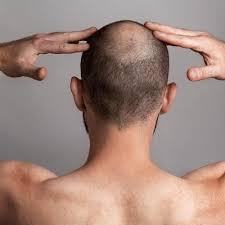
Hair thinning can be a frustrating experience for women, particularly when the change becomes visible around the hairline, parting, temples, or crown. Many women initially try different hairstyles, volumizing products, supplements, or cosmetic solutions to make thinning areas less noticeable. However, when certain areas have experienced persistent hair loss, hair transplantation may offer another option to consider.
A Hair Transplant in Dubai for women involves carefully relocating healthy hair follicles from a suitable donor area to regions where hair density has decreased. The objective is not simply to add more hair but to improve coverage while maintaining a natural appearance.
Female hair loss can have different causes from male pattern baldness, so careful evaluation is particularly important. Understanding the reasons behind thinning, the available transplantation methods, recovery process, and realistic expectations can help women make informed decisions about hair restoration.
Why Do Women Experience Hair Loss?
Women can experience hair loss for many reasons. Genetics can contribute to gradual thinning, but other factors may also influence hair density.
Common contributing factors include:
- Hormonal changes
- Hereditary hair thinning
- Aging
- Nutritional deficiencies
- Significant stress
- Certain medications
- Scalp conditions
- Post-pregnancy changes
- Hairstyles that place repeated tension on the hair
Because the cause varies, a hair transplant should not automatically be considered the first solution. Identifying the underlying reason for hair loss is an important part of the assessment.
What Is a Hair Transplant for Women?
A hair transplant involves moving healthy follicular units from a donor area to areas experiencing permanent or significant thinning.
For women, the procedure may be used to improve the appearance of:
- A widening central part
- Receding temples
- Sparse hairline areas
- Localized thinning
- Certain areas affected by previous injuries or procedures
The treatment is customized according to the woman's existing hair pattern and available donor follicles.
How Is Female Hair Restoration Different?
Female hair loss often presents as diffuse thinning rather than clearly defined bald patches. This means treatment planning can be more complex.
Instead of simply rebuilding a receding hairline, the goal may be to increase visual density within an area where hair is still present but becoming thinner.
The existing hair must also be considered carefully so that transplanted follicles can complement the surrounding strands without disrupting them.
Who May Be a Suitable Candidate?
Not every woman experiencing hair loss is an appropriate candidate for transplantation.
Potential suitability may depend on:
Stable Hair Loss
If hair is rapidly thinning throughout the scalp, transplantation may not provide the desired long-term outcome without addressing the underlying progression.
Adequate Donor Hair
A sufficient supply of healthy follicles is needed to harvest grafts without unnecessarily reducing donor density.
Healthy Scalp
Scalp health can influence the success of the procedure and should be evaluated before treatment.
Realistic Expectations
Hair transplantation improves coverage but does not necessarily recreate the density of naturally thick hair.
Common Hair Transplant Techniques for Women
Several techniques may be considered depending on individual needs.
FUE Hair Transplant
Follicular Unit Extraction involves removing individual follicular units from the donor area before placing them into recipient sites.
This method can be useful when individual graft harvesting is appropriate.
FUT Hair Transplant
Follicular Unit Transplantation involves removing a strip of donor scalp and separating it into individual follicular units.
The technique may be considered in selected cases depending on donor characteristics and treatment goals.
DHI Hair Transplant
Direct Hair Implantation uses specialized tools to implant prepared follicles into the recipient area.
The technique may provide controlled placement in suitable situations.
The best approach should be determined after assessing the woman's hair characteristics rather than choosing a method based solely on popularity.
Improving the Appearance of a Widening Part
A widening central part is one of the common visual concerns associated with female hair thinning.
When appropriate, transplanted follicles can be positioned strategically around the affected area to increase coverage.
The objective is generally to create a gradual transition between existing hair and transplanted follicles.
Because the area may contain existing fine hairs, careful planning is essential.
Hairline Restoration for Women
Some women experience recession around the temples or changes to the frontal hairline.
A natural-looking restoration requires attention to the existing shape of the forehead and hairline.
Rather than creating a perfectly straight line, individual follicles can be placed in a pattern that mimics natural hair growth.
The angle and direction of the follicles are also important because incorrect placement can make the result appear artificial.
What Happens During the Procedure?
The process generally begins with examination and treatment planning.
The donor and recipient areas are marked, and the selected follicles are harvested using the chosen technique.
The grafts are then prepared for implantation. Recipient sites are created according to the planned distribution, and the follicles are carefully positioned.
The duration depends on factors such as the number of grafts required, the treatment area, and the selected technique.
Is Recovery Difficult?
Most patients experience a period of early scalp healing following the procedure.
Temporary symptoms may include:
- Mild redness
- Swelling
- Sensitivity
- Small crusts
- Tightness
- Temporary scalp discomfort
These effects can vary between individuals.
Following the recommended washing routine and avoiding unnecessary touching or scratching can help support recovery.
When Will New Hair Grow?
One of the most important things to understand about transplantation is that hair growth is gradual.
The transplanted hair may initially shed. This can be part of the normal hair-growth cycle after transplantation and does not necessarily mean that the treatment has failed.
New growth generally develops progressively, with the appearance becoming more noticeable over time.
Patience is therefore essential when evaluating the final outcome.
Benefits of Hair Transplantation for Women
A carefully planned hair transplant may provide several potential benefits.
Improved Hair Coverage
Transplantation can add follicles to selected areas of thinning.
Natural-Looking Results
Individual graft placement can be designed to follow the existing growth pattern.
Uses Your Own Hair
The procedure uses the patient's own follicles rather than artificial strands.
Long-Term Hair Restoration
Successfully transplanted follicles can continue producing hair for a long period.
Styling Confidence
Improved coverage may make it easier for some women to style their hair without relying heavily on concealing products.
What Should Women Consider Before Treatment?
Before choosing a transplant, it is important to understand why the hair is thinning.
Women should also discuss:
- Previous hair-loss treatments
- Medications
- Hormonal changes
- Nutritional concerns
- Scalp problems
- Previous surgeries
- Hair styling habits
- Expected results
A thorough consultation helps determine whether transplantation is appropriate or whether another treatment approach may be more suitable.
Can Existing Hair Continue to Thin?
Yes. A transplant does not necessarily prevent the natural hair surrounding transplanted follicles from becoming thinner.
This is why long-term hair management may be important.
Depending on the cause of hair loss, a professional may recommend additional strategies to help maintain existing hair.
How to Support Healthy Hair After Treatment
Good scalp care remains important after transplantation.
Women may be advised to:
- Follow the recommended washing routine
- Avoid excessive scratching
- Protect the scalp from strong sunlight during early recovery
- Avoid strenuous activities for the recommended period
- Use only recommended hair products
- Attend follow-up assessments
A balanced diet and healthy lifestyle can also support overall hair health.
Frequently Asked Questions
Can women undergo hair transplantation?
Yes. Women with appropriate types of hair loss and adequate donor hair may be candidates for transplantation.
Is a hair transplant suitable for diffuse thinning?
It can be considered in selected cases, but the underlying cause and stability of the thinning must first be evaluated.
Will transplanted hair look natural?
Natural appearance depends on factors such as hairline design, graft selection, placement, direction, and density.
How long does it take to see results?
Hair growth takes several months and continues to mature progressively. The final appearance should not be judged immediately after treatment.
Can transplanted hair be styled normally?
Once the scalp has fully healed and the transplanted hair has matured, it can generally be styled like natural hair.
Conclusion
For women dealing with persistent thinning or localized hair loss, a Hair Transplant in Dubai can be an option worth exploring when other approaches have not provided the desired coverage. Because female hair loss can have many causes, careful diagnosis and individualized treatment planning are essential.
The best approach considers the donor area, existing hair, thinning pattern, scalp condition, future hair loss, and desired appearance. Understanding these factors can help women approach transplantation with realistic expectations.
Tajmeels clinic can be considered when researching hair restoration options and personalized approaches to improving hair density. With careful planning, appropriate technique selection, and patience during recovery, hair transplantation may help women achieve a fuller and more balanced appearance.
- Managerial Effectiveness!
- Future and Predictions
- Motivatinal / Inspiring
- Fitness and Wellness
- Medical & Health
- Manufacturing
- Education
- Real-Estate
- Food Industry
- Hospitality
- Online Games
- Sports
- Home Services
- Civil Engineering
- Safety and Protection
- Software Products & Services
- Fashion and Jewellery
- Artificial Intelligence
- Entrepreneurship
- Mentoring & Guidance
- Marketing
- Networking
- HR & Recruiting
- Literature
- Shopping
- Career Management & Advancement