

 SkillClick
Cassava Starch Price Trend June 2026: Thailand vs India
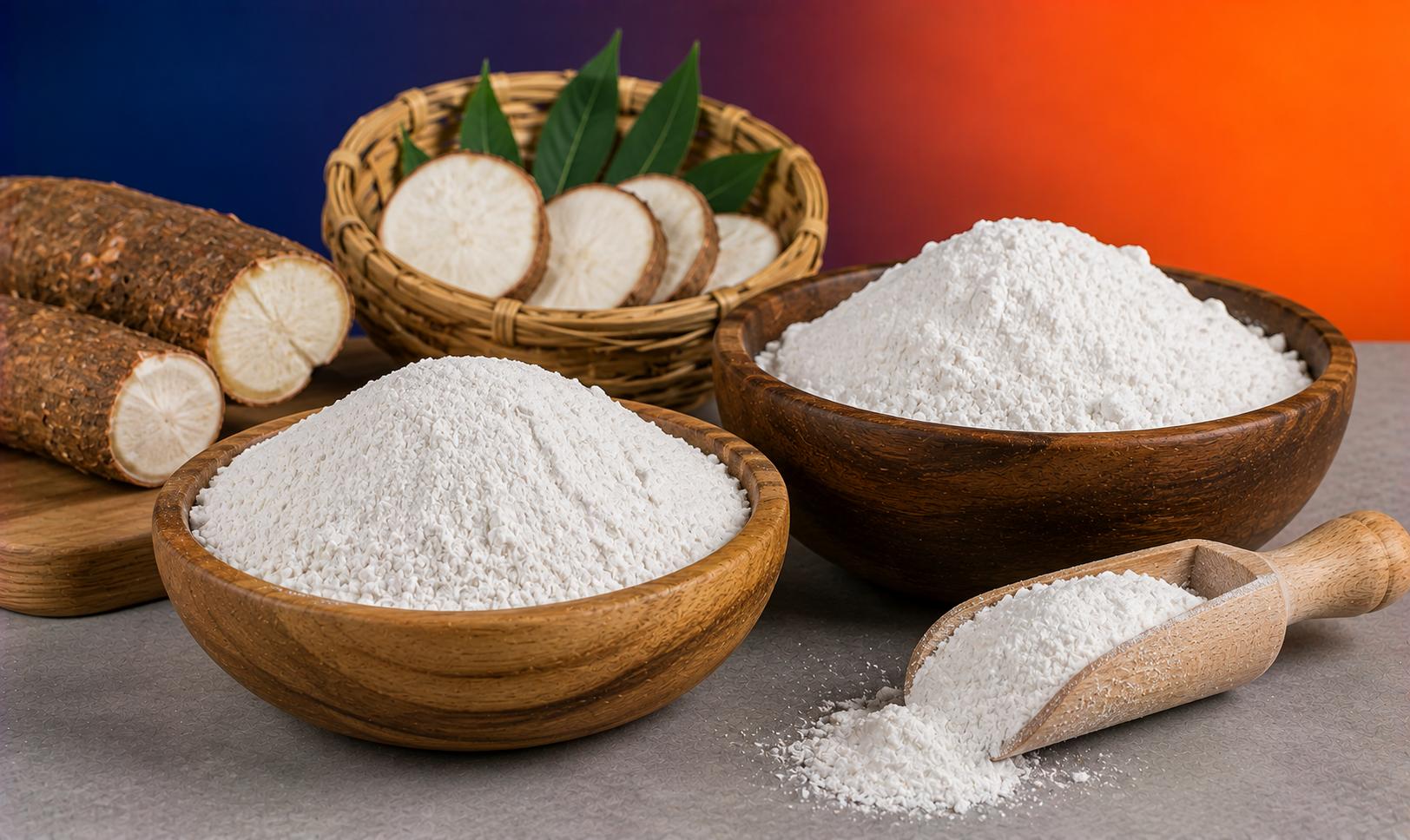
Cassava Starch Price Trend June 2026: Thailand and India Compared
Cassava starch buyers got a clear signal in June 2026. Thailand's FOB price came in at USD 690.00 per metric ton. India's landed CIF price? USD 1,279.28 per metric ton. That's not a small gap. It's nearly double, and anyone sourcing starch for food processing, paper, textiles, or adhesives needs to understand why.
Cassava starch sits quietly behind a lot of everyday products. Snack foods use it as a thickener. Paper mills use it for sizing. Pharma companies use it as a binder. When the cassava starch price trend shifts this much between two major sourcing regions, procurement teams feel it fast.
Current Cassava Starch Prices: Thailand vs India
| Product | Region | Incoterm Basis | Price | Last Updated |
|---|---|---|---|---|
| Cassava Starch | Thailand | FOB | USD 690.00/MT | June 2026 |
| Cassava Starch | India | CIF | USD 1,279.28/MT | June 2026 |
Do the subtraction. USD 589.28 separates the two. That's not a rounding error or a currency blip. It reflects two genuinely different market positions.
A few points matter here:
- Thailand's price is FOB. Free on board, at the port of origin. Freight and insurance to the destination aren't included.
- India's price is CIF. Cost, insurance, and freight are all baked into that landed number.
- Thailand is one of the world's largest cassava starch exporters. India, by contrast, imports a meaningful share of its demand.
Comparing FOB to CIF straight across isn't quite fair. Freight alone from Thailand to an Indian port adds real cost. But even accounting for that, the spread points to something structural, not just a shipping line item.
Why Is There Such a Big Gap Between Thailand and India?
Fair question. Here's the short version.
Thailand grows the crop at scale. Cassava root cultivation is deeply established there, with processing infrastructure built up over decades. Lower input costs. Efficient mills. Export volume that keeps per unit costs down.
India doesn't produce enough to meet demand. Domestic cassava starch output exists, mostly in states like Tamil Nadu and Andhra Pradesh, but it falls short of what food and industrial buyers need. Imports fill that gap. And imports carry freight, insurance, duties, and margin stacked on top.
Currency plays a role too. Rupee weakness against the dollar raises the cost of every imported ton, even when the underlying dollar price hasn't moved.
What's Driving the Cassava Starch Price Trend Right Now
Raw cassava root availability. Weather conditions in Thailand's growing regions directly affect root yield. A weak harvest tightens supply and pushes export prices up within weeks, not months.
Energy and processing costs. Drying and processing cassava into starch takes fuel and electricity. Rising energy costs get passed through, since processors don't have much margin to absorb them.
Global starch demand. Food manufacturers, paper producers, and biodegradable packaging companies have all increased starch consumption. Cassava starch competes with corn and tapioca derivatives for that demand, and tighter global supply lifts prices across the board.
Shipping capacity. Container availability out of Southeast Asian ports has been inconsistent. When space is tight, freight rates climb, and that shows up directly in landed prices like India's CIF figure.
A Quick Q&A on What Buyers Should Actually Do
Should I just source from Thailand and skip India entirely?
Not necessarily. Lead times matter. Thailand to India shipping isn't instant, and if your supply chain needs faster turnaround, paying more for a closer or more reliable source sometimes makes sense.
Is this price gap going to stay this wide?
Probably not permanently. Structural factors like India's import dependency won't disappear soon. But short term swings in freight or harvest yield could narrow or widen the gap month to month.
What should procurement teams track besides price?
Contract terms. Supplier reliability. Quality consistency between batches. A cheaper ton that arrives late or fails a quality check costs more in the end than a slightly pricier one that doesn't.
What This Means for Buyers, Processors, and Investors
Food and industrial buyers working with tight margins should watch Thailand's FOB rate closely. It's the base cost before freight, and it moves first when harvest conditions change.
Indian buyers stuck with import dependency face a different calculus. Locking in longer term supply agreements might hedge against further currency or freight volatility, even if the upfront price looks less flexible.
Investors eyeing India's starch processing sector might see this gap as opportunity. Domestic capacity expansion could reduce reliance on imports over time, similar to patterns seen in other agro processing sectors facing the same import cost pressure.
Cassava Starch Price Trend: What to Expect Going Forward
Nobody can say with certainty where this heads next. Harvest conditions in Thailand over the coming months will matter a lot. So will shipping capacity and how global starch demand plays out against corn based alternatives.
What seems reasonably clear is that India's import dependency isn't going away fast. That structural gap between FOB Thailand and CIF India prices will likely persist through the rest of 2026, even if the exact numbers shift.
Buyers locking in contracts based on outdated pricing risk getting caught off guard. June 2026 figures are useful today. They won't stay useful forever.
Conclusion
The cassava starch price trend for June 2026 shows a real divide. Thailand at USD 690.00/MT FOB. India at USD 1,279.28/MT CIF. That gap comes from production capacity, import reliance, freight costs, and currency exposure, all stacked together. For anyone buying, processing, or investing in cassava starch, this isn't a number to glance past. It's a signal worth building into sourcing decisions now.
FAQ Section
What is the current cassava starch price trend in Thailand and India?
As of June 2026, Thailand's cassava starch is priced at USD 690.00/MT FOB, while India's landed price is USD 1,279.28/MT CIF. The gap reflects Thailand's export strength versus India's reliance on imported supply plus added freight and insurance costs.
Why is cassava starch so much cheaper in Thailand?
Thailand has established cassava farming and processing infrastructure built over decades. Large export volumes keep per unit costs low. Add in lower freight since it's the origin point, and the FOB price naturally comes in well below what import dependent markets pay.
What factors affect cassava starch prices the most?
Raw cassava root supply, energy costs for processing, global starch demand, and shipping capacity all play a role. Weather affecting Thailand's harvest can shift prices within weeks. Currency movements also matter for countries importing on a dollar denominated basis.
How often does the cassava starch price trend change?
Prices can shift monthly or even faster depending on harvest conditions and freight rates. The June 2026 figures offer a solid reference point, but buyers negotiating longer contracts should verify current pricing rather than relying on older data.
What's the outlook for cassava starch prices through the rest of 2026?
The Thailand to India price gap will likely persist, since it's rooted in production capacity and import dependency, not just temporary market noise. Harvest yields and shipping costs will determine whether that spread widens or narrows in coming months.
- Managerial Effectiveness!
- Future and Predictions
- Motivatinal / Inspiring
- Fitness and Wellness
- Medical & Health
- Manufacturing
- Education
- Real-Estate
- Food Industry
- Hospitality
- Online Games
- Sports
- Home Services
- Civil Engineering
- Safety and Protection
- Software Products & Services
- Fashion and Jewellery
- Artificial Intelligence
- Entrepreneurship
- Mentoring & Guidance
- Marketing
- Networking
- HR & Recruiting
- Literature
- Shopping
- Career Management & Advancement