

 SkillClick
PRP Hair Treatment in Abu Dhabi: A Non-Surgical Hair Restoration Option
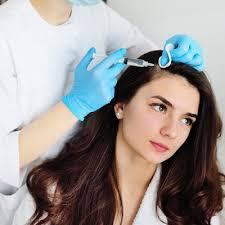
Hair thinning can develop gradually, making it difficult to notice the changes until the scalp becomes more visible or the hair begins to look less full. For people who want to address early or moderate hair loss without undergoing surgery, PRP hair treatment in Abu Dhabi has become an option worth exploring.
PRP, or platelet-rich plasma, uses a concentrated portion of a person's own blood to support the scalp and existing hair follicles. The technique is designed around the body's natural healing mechanisms and may help create a healthier environment for follicles that have become weak or less active.
Unlike hair transplantation, PRP does not involve moving hair follicles from one area of the scalp to another. Instead, it focuses on supporting follicles that are already present. This makes it a different type of hair restoration approach and may appeal to individuals who are looking for a minimally invasive treatment.
What Is PRP Hair Treatment?
Platelet-rich plasma is a component of blood that contains a higher concentration of platelets than normal blood. Platelets play an important role in the body's natural repair processes and contain growth factors involved in tissue healing.
During PRP hair treatment, a small blood sample is collected and processed to separate the platelet-rich portion. The prepared plasma is then introduced into selected areas of the scalp.
The purpose is to deliver concentrated growth factors around areas where hair follicles may need additional support. PRP is not intended to instantly create new hair. Rather, it may help existing follicles function in a more favorable environment.
Why Is PRP Considered Non-Surgical?
Traditional hair transplantation requires a surgical procedure in which hair follicles are removed from a donor area and placed into areas experiencing hair loss.
PRP works differently. There is no hair graft harvesting or transplantation. Instead, the treatment generally consists of blood collection, preparation of the plasma, and small injections into targeted scalp areas.
Because it is minimally invasive, recovery is generally much shorter than that associated with surgical hair restoration. However, patients may still experience temporary tenderness, redness, or swelling following injections.
How Does PRP Work for Hair Loss?
The exact biological mechanisms behind PRP's effects on hair growth continue to be studied. The treatment is thought to work partly through growth factors released by platelets.
These growth factors may support cellular activity and the local scalp environment surrounding hair follicles. The intended result is to help weakened follicles remain active and potentially produce stronger-looking hair.
PRP is generally more relevant when hair follicles are still present but producing thinner or weaker hair. It is less likely to provide the same type of result in areas where follicles are completely absent.
Who May Benefit From PRP?
PRP may be suitable for some people experiencing gradual hair thinning. Candidates can include men and women who notice reduced density, increased shedding, or early signs of pattern hair loss.
A consultation is important because hair loss can have many different causes. Genetics, hormones, nutritional issues, stress, certain medications, scalp conditions, and underlying health problems can all contribute to shedding.
If the cause of hair loss has not been identified, addressing that cause may be more important than immediately beginning PRP.
PRP Hair Treatment in Abu Dhabi for Men
Men commonly experience hair loss around the temples, hairline, or crown. In some cases, the hair gradually becomes thinner before more obvious baldness develops.
PRP may be considered during earlier stages when weakened follicles are still present. The objective is to support these existing follicles and improve the overall appearance of hair density.
However, PRP cannot reverse every stage of male pattern hair loss. A professional assessment can help establish whether the follicles in the affected area may still respond to treatment.
PRP Hair Treatment for Women
Women can also experience hair thinning, although the pattern may differ from typical male hair loss. Many women notice a wider part, reduced overall volume, or increased shedding.
The reasons can include hormonal changes, nutritional deficiencies, stress, genetics, or other factors.
Because female hair loss can have several possible causes, identifying the underlying issue is especially important. PRP may be considered when the follicles remain viable and the treatment is appropriate for the individual's situation.
What Happens During a PRP Session?
The process usually begins with a consultation and examination of the scalp. The treatment area is identified according to the pattern of hair thinning.
A small amount of blood is then drawn from the patient. This blood is processed using a specialized method to separate the platelet-rich plasma.
The resulting PRP is prepared for application to the scalp. Small injections are then made across the areas where hair thinning is being addressed.
The treatment is generally performed without an overnight stay. Once the session is complete, the patient can normally return home and follow the recommended aftercare instructions.
Is PRP Hair Treatment Comfortable?
PRP involves multiple small injections, so some degree of discomfort can occur. People have different levels of sensitivity, meaning the experience is not identical for everyone.
Temporary soreness, redness, or scalp sensitivity may occur after treatment. These effects are generally short-lived, but patients should follow their provider's instructions regarding scalp care and activities after the session.
If you are concerned about discomfort, discuss your concerns during the consultation so appropriate comfort measures can be considered.
How Long Does a PRP Treatment Take?
The length of a PRP session can vary depending on the treatment area and the specific preparation technique used.
The appointment normally includes blood collection, preparation of the platelet-rich plasma, and scalp treatment. Because there is no surgical hair transplantation involved, the overall process can generally be completed during an outpatient visit.
Your provider can explain the expected appointment duration during the consultation.
How Many Treatments Are Usually Needed?
PRP hair restoration is often planned as a series of sessions rather than a one-time treatment.
The number and timing of sessions can depend on:
- The severity of hair thinning
- The cause of hair loss
- Scalp condition
- Existing follicle health
- Individual treatment response
- Desired treatment goals
Some people may require maintenance treatments after the initial course. A personalized plan is preferable to using a fixed schedule for everyone.
When Will You See Results?
Hair growth is naturally slow, so PRP does not produce immediate results.
Some individuals may notice changes in shedding or hair quality before significant changes in density become visible. Improvements, when they occur, generally develop gradually over several weeks or months.
Taking photographs before treatment and at regular intervals afterward can help provide a more objective way to monitor changes.
It is important to remember that individual outcomes vary, and PRP cannot guarantee a particular level of hair growth.
What Are the Potential Benefits?
One reason people consider PRP Hair Treatment in Abu Dhabi is that it provides a non-surgical option for supporting existing hair follicles.
Potential benefits may include:
Minimally Invasive Approach
PRP does not require hair graft transplantation or surgical incisions.
Uses Your Own Blood Components
The treatment uses platelet-rich plasma obtained from the individual's own blood.
Focuses on Existing Follicles
PRP is designed to support follicles that are still present but may be weakened.
Limited Downtime
Compared with surgical hair restoration, PRP generally involves less disruption to normal activities.
Suitable for Men and Women
Depending on the cause of hair loss, both men and women may be candidates.
What Can Affect Treatment Outcomes?
PRP does not work in exactly the same way for every person. Several factors can influence the outcome.
The cause and duration of hair loss are important. Someone with relatively recent thinning and active follicles may respond differently from someone with long-standing areas where follicles are no longer present.
Age, genetics, general health, nutrition, hormonal factors, and scalp condition can also play a role.
This is why a consultation should be considered an essential part of the process rather than simply choosing PRP based on its popularity.
PRP Compared With Hair Transplantation
PRP and hair transplantation have different objectives.
A transplant physically relocates hair follicles to areas where additional hair coverage is required. PRP does not relocate follicles. Instead, it attempts to support existing follicles.
Someone with significant permanent hair loss may therefore require a different approach, while a person with early thinning may explore PRP as one possible treatment.
In some treatment plans, different hair restoration methods may also be considered together.
What Should You Ask Before Treatment?
Before choosing PRP, ask questions about the treatment process and whether it is appropriate for your particular type of hair loss.
Useful questions include:
- What may be causing my hair loss?
- Are my existing follicles suitable for PRP?
- How many sessions may be recommended?
- When should changes be evaluated?
- What side effects can occur?
- What aftercare will be required?
- Are other treatments more appropriate for my situation?
Clear answers can help you develop realistic expectations.
Choosing PRP Hair Treatment in Abu Dhabi
Selecting a suitable provider is an important step. Look for a professional environment where your scalp and medical history are evaluated before treatment begins.
A personalized consultation should consider your hair-loss pattern rather than automatically recommending the same treatment plan to every patient.
It is also helpful to understand how your progress will be monitored. Consistent photographs, follow-up appointments, and discussions about changes in hair density can help evaluate the response over time.
Tajmeels Clinic can be considered by individuals researching PRP Hair Treatment in Abu Dhabi and looking for a personalized approach to non-surgical hair restoration.
Aftercare Following PRP
After treatment, the scalp may be sensitive for a short period. Following the specific instructions provided by your healthcare professional can help support recovery.
You may be advised to avoid unnecessary scalp manipulation immediately after treatment. Depending on your individual plan, there may also be temporary recommendations regarding exercise, hair products, or washing the scalp.
Do not assume that more aggressive scalp care will improve results. Gentle care and adherence to professional instructions are generally preferable.
Frequently Asked Questions
Is PRP a permanent solution for hair loss?
PRP is not considered a guaranteed permanent solution. Hair loss may continue because its underlying causes can remain active. Maintenance treatment may be recommended in some cases.
Can PRP regrow hair in completely bald areas?
PRP primarily aims to support existing follicles. It is not designed to create entirely new hair follicles in areas where follicles are no longer present.
Can women have PRP hair treatment?
Yes. PRP may be considered for women with certain types of hair thinning, provided the underlying cause and follicle condition make the treatment appropriate.
Does PRP require an overnight hospital stay?
PRP hair treatment is generally performed as an outpatient procedure and does not normally require an overnight stay.
How quickly does PRP work?
Hair growth takes time. Any improvement generally develops gradually rather than immediately following the procedure.
Conclusion
PRP Hair Treatment in Abu Dhabi provides a non-surgical option for individuals interested in supporting existing hair follicles and improving the appearance of thinning hair. The procedure uses platelet-rich plasma derived from the patient's own blood and focuses on creating a supportive environment around targeted scalp areas.
Although PRP can be a useful option for some types of hair loss, it is not suitable for everyone and cannot guarantee identical results. Understanding the cause of hair loss, assessing follicle health, and setting realistic expectations are important before beginning treatment.
For people exploring personalized non-surgical hair restoration, Tajmeels Clinic can be considered as part of the search for PRP Hair Treatment in Abu Dhabi and professional hair-care solutions.
- Managerial Effectiveness!
- Future and Predictions
- Motivatinal / Inspiring
- Fitness and Wellness
- Medical & Health
- Manufacturing
- Education
- Real-Estate
- Food Industry
- Hospitality
- Online Games
- Sports
- Home Services
- Civil Engineering
- Safety and Protection
- Software Products & Services
- Fashion and Jewellery
- Artificial Intelligence
- Entrepreneurship
- Mentoring & Guidance
- Marketing
- Networking
- HR & Recruiting
- Literature
- Shopping
- Career Management & Advancement