

 SkillClick
The Changing Role of Television in Modern Home Entertainment
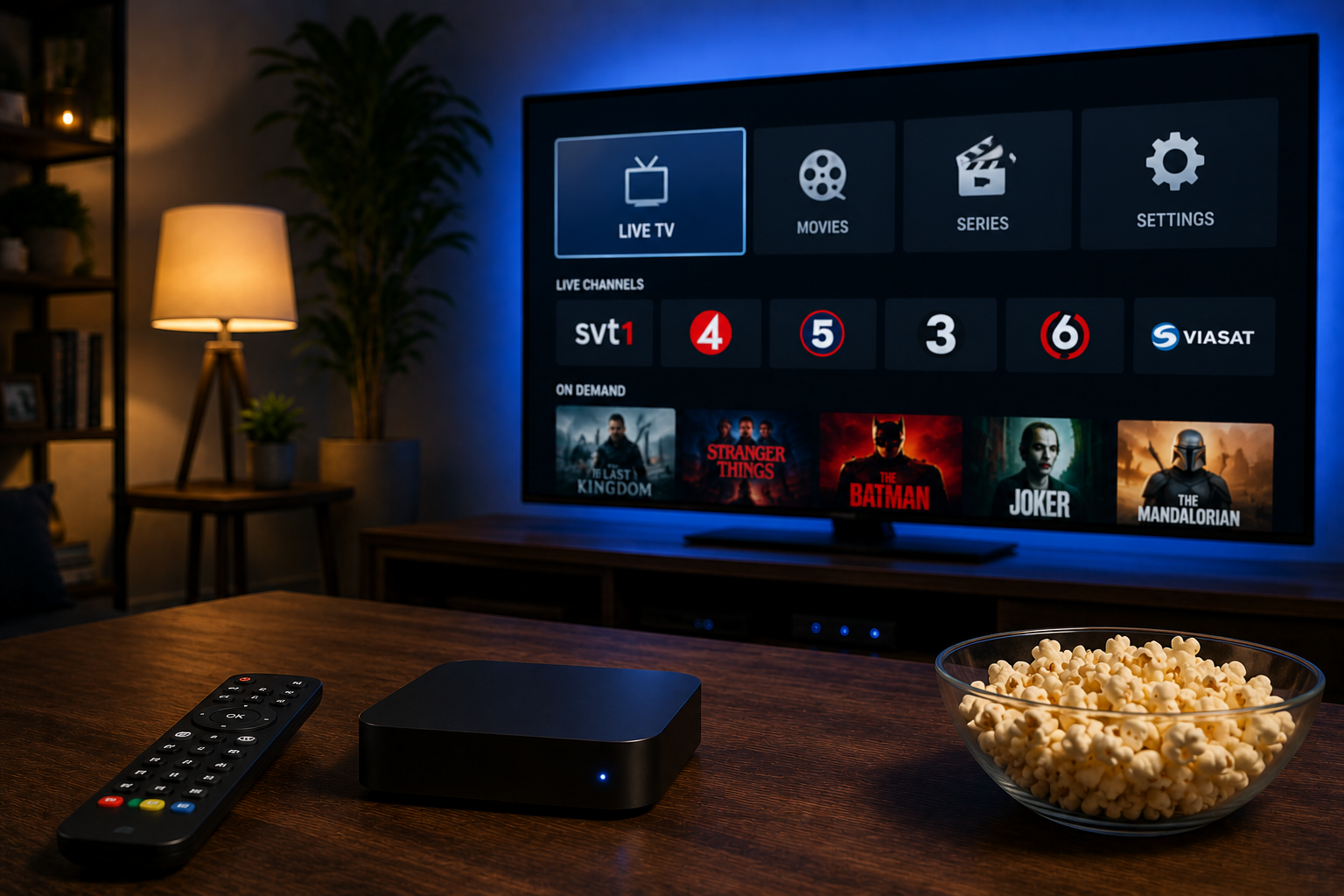
Television used to have a very defined place in the home. The family gathered around one screen, channels followed predictable schedules, and evening entertainment often depended on whatever happened to be broadcasting at that moment.
That model has gradually changed. Television is still important, but its role is no longer limited to scheduled programming. Today, it sits within a much larger digital entertainment environment where viewers can decide what deserves their attention and how they want to spend their free time.
From Household Appliance to Digital Entertainment Hub
The television set was once primarily a receiver. Its main purpose was to display programs delivered through a broadcast, cable, or satellite connection.
Modern televisions are considerably more versatile. Smart technology has turned the screen into a gateway for different forms of digital entertainment. Streaming applications, internet connectivity, media libraries, and other services have expanded what people expect from their television.
This development has changed the way households think about their main entertainment screen. Instead of asking which channel is showing something interesting, viewers can increasingly search for content that matches a particular mood, occasion, or personal interest.
Entertainment Is Becoming More Individual
One of the biggest changes in home entertainment is the move away from a completely shared viewing routine.
Families still enjoy watching major events together, but everyday viewing is becoming more individualized. Different members of a household may have completely different interests, and they may not want to watch television at the same time.
This has created demand for services and platforms that can accommodate different preferences without making the television experience unnecessarily complicated.
For example, one evening might involve a sports broadcast, while another could be dedicated to a documentary or a movie. The important change is that viewers increasingly expect to have meaningful entertainment choices rather than simply accepting whatever happens to be available.
The Decline of the Traditional Prime-Time Routine
For decades, prime time shaped television culture. Programs were scheduled for particular hours, and missing an episode could mean waiting for a repeat or simply missing it altogether.
Digital television has weakened that dependency.
People now have more freedom to organize entertainment around their own lives. Someone working late does not necessarily have to abandon their plans simply because a program starts at a fixed hour. Likewise, families can decide when they want to have a movie night instead of relying on a broadcaster's schedule.
This change may seem small, but it represents a significant shift in the relationship between viewers and television.
Television Is Becoming More Personal
Personalization is another important part of modern entertainment. Viewers are increasingly accustomed to platforms that remember preferences, organize content into categories, and make recommendations based on previous activity.
This changes the discovery process.
Instead of browsing through hundreds of channels without a clear purpose, users can often find content through genres, themes, recommendations, or personal watchlists. The result is a more intentional approach to entertainment.
Personalization can also make television more useful for households with varied interests. A person interested in international programming does not have to rely on the same content preferences as someone who primarily watches sports or films.
The Living Room Is No Longer the Only Entertainment Space
Another major development is the changing relationship between the television and the rest of the home.
The main television may remain the preferred screen for shared viewing, but entertainment can now move between different parts of a household. A viewer might use a large screen for a family event and another connected device for individual viewing later.
This does not necessarily make the television less important. Instead, it places the television within a broader ecosystem of connected entertainment.
The living room remains a social space, while other devices provide more personal ways to consume media.
What This Means for Television Services
The changing role of television has also affected what viewers expect from television services. Having a large number of channels is no longer the only measure of value.
Audiences increasingly pay attention to usability, content relevance, technical performance, and how well a service fits into their existing habits.
A modern television service therefore needs to think beyond traditional broadcasting. The experience should feel straightforward rather than restrictive, particularly for viewers who are already familiar with digital platforms.
The Social Side of Modern Television
Despite the growth of personalized entertainment, television has not lost its social value.
Major sporting events, news events, award ceremonies, and popular programs can still bring people together. The difference is that viewers now have more control over how they participate.
Some households may watch together on a large screen, while others may discuss a program online or use different devices before joining a shared viewing session.
Television is therefore becoming both more personal and more social at the same time.
What Comes Next?
The future of home entertainment will likely involve an even closer relationship between traditional television concepts and digital technology.
Viewers will continue to expect easy access, relevant content, and greater control over their media consumption. At the same time, shared viewing will remain valuable because entertainment can create experiences that families and friends enjoy together.
The successful television experience of the future will not necessarily be defined by the number of channels available. Instead, it will be measured by how effectively it helps viewers discover, access, and enjoy content that matters to them.
Conclusion
The role of television in modern homes is changing from a simple source of scheduled programming into a broader entertainment platform. Viewers now have more influence over what they watch, when they watch it, and how they incorporate entertainment into their daily lives.
This transformation does not make television less relevant. It makes it more adaptable. As technology continues to evolve, television will likely remain at the center of home entertainment while becoming increasingly personalized, connected, and responsive to the needs of modern audiences.
- Managerial Effectiveness!
- Future and Predictions
- Motivatinal / Inspiring
- Fitness and Wellness
- Medical & Health
- Manufacturing
- Education
- Real-Estate
- Food Industry
- Hospitality
- Online Games
- Sports
- Home Services
- Civil Engineering
- Safety and Protection
- Software Products & Services
- Fashion and Jewellery
- Artificial Intelligence
- Entrepreneurship
- Mentoring & Guidance
- Marketing
- Networking
- HR & Recruiting
- Literature
- Shopping
- Career Management & Advancement