

 SkillClick
Green Fertilisers Market Growth: Sustainable Nutrient Solutions Reshaping Modern Agriculture
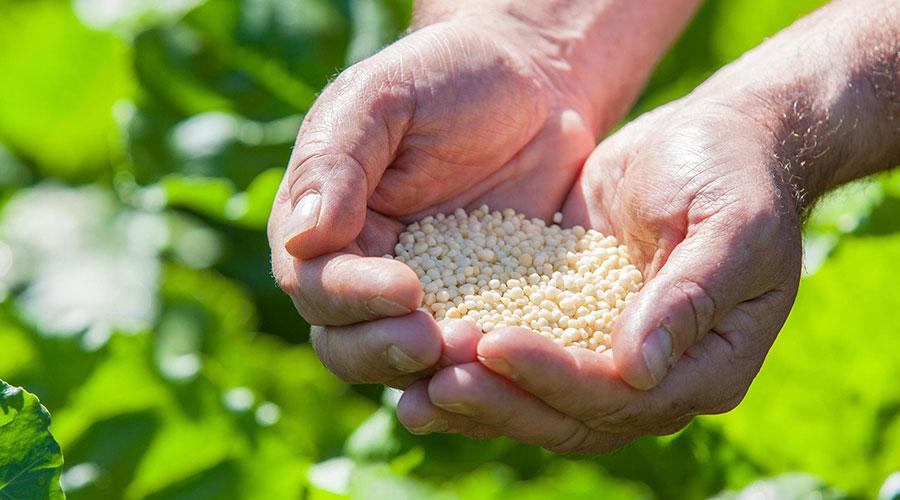
The Green Fertilisers Market is entering a significant phase of transformation as agriculture seeks to increase productivity while reducing environmental pressure. Conventional fertilisers have played a critical role in global food production, but their dependence on energy-intensive manufacturing, fossil-based feedstocks, and inefficient nutrient application has intensified interest in cleaner alternatives. Green fertilisers are emerging as an important solution because they combine nutrient supply with lower-carbon production pathways and improved sustainability objectives.
Green fertilisers generally include products manufactured using renewable energy, low-carbon hydrogen, biological processes, recycled nutrients, or other environmentally responsible production methods. Green ammonia, produced through renewable hydrogen and nitrogen, is receiving particular attention because ammonia is both a major nitrogen fertiliser and a potential pathway for reducing emissions across the agricultural value chain. At the same time, bio-based fertilisers, organic nutrient products, microbial formulations, and recycled nutrient solutions are broadening the market beyond conventional nitrogen products.
Decarbonisation Is Becoming a Core Fertiliser Industry Priority
One of the strongest forces supporting Green Fertilisers Market Growth is the agricultural industry's increasing focus on reducing greenhouse-gas emissions. Fertiliser manufacturing is energy intensive, particularly for ammonia production, which traditionally relies heavily on natural gas. Moving toward renewable electricity and green hydrogen can substantially change the emissions profile associated with nitrogen fertiliser manufacturing.
The transition is also being encouraged by governments, agricultural organisations, food companies, and sustainability-focused investors. As supply chains increasingly measure carbon footprints, farmers and food producers are facing greater pressure to demonstrate responsible input sourcing. This creates an opportunity for green fertiliser producers to position their products not simply as agricultural inputs but as components of broader low-carbon food systems.
Green Ammonia Creates a Major Growth Avenue
Green ammonia represents one of the most strategically important segments within the green fertiliser landscape. Its production uses hydrogen generated through water electrolysis powered by renewable electricity rather than hydrogen derived primarily from fossil fuels.
The importance of this technology extends beyond emissions reduction. Existing ammonia infrastructure, storage systems, transportation networks, and agricultural application practices provide a foundation for integrating lower-carbon ammonia into established fertiliser markets. As renewable power becomes more competitive in suitable regions, green ammonia projects can potentially benefit from access to abundant solar, wind, or hydropower resources.
Large-scale projects are also encouraging greater confidence throughout the supply chain. Investments in renewable hydrogen, electrolyser capacity, ammonia synthesis, port infrastructure, and agricultural distribution are creating an ecosystem capable of supporting commercial deployment.
Rising Demand for Sustainable Agricultural Inputs
Farmers are increasingly interested in agricultural technologies that can maintain crop productivity while improving soil and environmental performance. This trend is supporting demand for fertilisers that offer more than basic nutrient delivery.
Green fertilisers can be integrated with precision agriculture, soil testing, controlled-release technologies, fertigation, and variable-rate application systems. Such integration can improve nutrient-use efficiency by matching fertiliser application more closely with crop requirements.
The opportunity is particularly relevant where excessive nutrient application has contributed to water pollution, soil degradation, or inefficient input costs. Better nutrient management can allow farmers to pursue productivity goals while reducing unnecessary losses.
Renewable Energy Expansion Strengthens Market Potential
The expansion of renewable electricity is another important factor behind Green Fertilisers Market Growth. Solar and wind capacity has expanded rapidly across many regions, creating new opportunities to produce renewable hydrogen for industrial applications.
Green fertiliser production can be strategically located near areas with strong renewable-energy resources. Regions with substantial solar irradiation, consistent wind conditions, or abundant hydropower can potentially develop competitive production hubs.
This geographical relationship is important because energy costs remain a major consideration in hydrogen and ammonia production. As renewable generation expands and electrolysis technologies improve, the economics of green fertiliser manufacturing could become increasingly attractive.
Biological and Bio-Based Fertilisers Expand the Opportunity
Although green ammonia receives substantial attention, the broader market includes a growing range of biological and bio-based products. Biofertilisers containing beneficial microorganisms can support nutrient availability and plant development, while organic fertilisers can recycle nutrients from agricultural and biological waste streams.
Microbial products involving nitrogen-fixing bacteria, phosphate-solubilising microorganisms, and other beneficial organisms are gaining interest as complementary tools for sustainable crop management. These solutions can be particularly attractive when integrated into soil-health strategies rather than used as simple replacements for conventional fertilisers.
Recycled nutrient products also offer an important circular-economy opportunity. Recovering nitrogen, phosphorus, and other nutrients from organic waste, wastewater, livestock residues, and food-processing streams can reduce dependence on virgin resources while turning waste into productive agricultural inputs.
Technological Improvements Are Supporting Commercialisation
Technology development is helping address some of the historical limitations associated with green fertiliser production. Electrolyser efficiency, renewable power integration, hydrogen storage, ammonia synthesis, and process optimisation are all areas of continued innovation.
Manufacturers are also working to improve fertiliser formulations and nutrient delivery. Controlled-release products, enhanced-efficiency fertilisers, microbial combinations, and precision application technologies can increase the effectiveness of each unit of nutrient supplied to crops.
Digital agriculture further strengthens this opportunity. Sensors, satellite imagery, artificial intelligence, farm-management software, and connected machinery can help determine where, when, and how much fertiliser should be applied. The combination of cleaner production and smarter application could create a more comprehensive approach to sustainable nutrient management.
Government Policies and Carbon Reduction Programs
Policy support is another major contributor to market development. Governments are increasingly introducing incentives for renewable hydrogen, low-carbon industrial production, clean energy infrastructure, and agricultural sustainability.
Carbon pricing mechanisms and emissions-reduction targets may further influence fertiliser purchasing decisions. Producers with lower-carbon manufacturing processes could eventually gain advantages where agricultural buyers begin incorporating product-level emissions into procurement criteria.
However, policy consistency remains important. Green fertiliser projects often require significant capital expenditure, and developers need confidence that regulatory frameworks, incentives, renewable-energy policies, and carbon accounting systems will remain sufficiently stable over long investment periods.
Challenges That Could Influence Market Expansion
Despite strong potential, the Green Fertilisers Market faces several barriers. Production costs remain a major concern, particularly for green ammonia, because renewable hydrogen production requires substantial investment in electrolysers and renewable power infrastructure.
Infrastructure is another challenge. Hydrogen transportation, storage, ammonia conversion facilities, specialised logistics, and distribution networks may need additional investment in emerging production regions.
Farmers can also be sensitive to fertiliser prices, especially where agricultural margins are narrow. Sustainable products must therefore demonstrate measurable agronomic and economic benefits rather than relying solely on environmental positioning.
Availability is another consideration. Green fertiliser production capacity is still developing, and supply may initially be concentrated in regions with favourable renewable-energy resources and supportive policies.
The Role of Food Companies and Agricultural Supply Chains
Demand for sustainable fertilisers is increasingly influenced by businesses beyond the farm. Food processors, retailers, consumer brands, and agricultural traders are setting environmental targets that extend into upstream production.
This creates opportunities for fertiliser manufacturers to develop partnerships with growers and food companies. Contract farming arrangements, sustainability-linked procurement programs, and traceable agricultural supply chains could help create stronger demand for lower-carbon fertiliser products.
Carbon-footprint measurement may become particularly important. Producers capable of documenting manufacturing emissions, renewable-energy usage, nutrient efficiency, and agricultural outcomes could differentiate themselves in increasingly sustainability-conscious markets.
Future Outlook
The future of the Green Fertilisers Market will likely depend on the convergence of renewable energy, agricultural technology, nutrient recycling, biotechnology, and climate-focused policy. Rather than replacing every conventional fertiliser product immediately, green alternatives are more likely to develop through a combination of applications and regional strategies.
Green ammonia is positioned to play a major role in decarbonising nitrogen fertiliser production, while biological, organic, recycled, and enhanced-efficiency products can contribute to broader improvements in nutrient management.
Over time, declining renewable-energy costs, technological advances, increasing environmental expectations, and stronger supply-chain commitments could improve the commercial position of green fertilisers. The most successful producers are likely to be those that combine competitive economics with reliable nutrient performance and credible environmental benefits.
Conclusion
Green Fertilisers Market Growth reflects a broader transition toward more resource-efficient and climate-conscious agriculture. Renewable hydrogen, green ammonia, biological inputs, recycled nutrients, precision farming, and improved formulations are creating multiple pathways for reducing the environmental impact of fertiliser use.
The market's development will not depend on a single technology. Instead, its long-term potential will emerge from the integration of cleaner manufacturing, efficient nutrient application, renewable energy, circular resource use, and data-driven agriculture. As farmers and food supply chains increasingly seek measurable sustainability improvements, green fertilisers are positioned to become an increasingly important component of the next generation of agricultural production.
- Managerial Effectiveness!
- Future and Predictions
- Motivatinal / Inspiring
- Fitness and Wellness
- Medical & Health
- Manufacturing
- Education
- Real-Estate
- Food Industry
- Hospitality
- Online Games
- Sports
- Home Services
- Civil Engineering
- Safety and Protection
- Software Products & Services
- Fashion and Jewellery
- Artificial Intelligence
- Entrepreneurship
- Mentoring & Guidance
- Marketing
- Networking
- HR & Recruiting
- Literature
- Shopping
- Career Management & Advancement