

 SkillClick
How to Choose the Best Soccer Academy in Sydney for Young Players
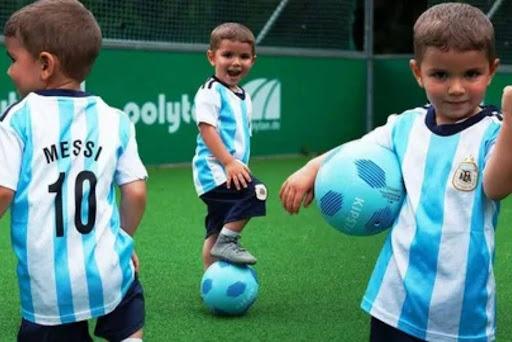
Choosing the right soccer academy can make a significant difference in a young player's development, confidence, and enjoyment of the sport. Sydney has a wide range of football training programs, from community-based clubs to professional development academies. With so many choices available, parents need to look beyond advertisements and consider what each academy actually offers.
Finding the best soccer academy in Sydney depends on the player's age, current ability, goals, and preferred training environment. A good academy should provide qualified coaching, structured development, suitable facilities, and opportunities for players to improve both technically and mentally. The right environment can help a beginner build strong fundamentals while allowing an advanced player to prepare for competitive football.
Understand the Player's Development Goals
Before comparing soccer academies, parents should identify what the young player wants to achieve. Some children simply want to enjoy football, make friends, and stay active, while others may have ambitions to play competitively or progress toward elite pathways.
A suitable academy should match those goals. For example, a beginner may benefit from sessions focused on ball control, passing, movement, and basic game awareness. An experienced player may need more advanced tactical training, position-specific coaching, fitness development, and competitive matches.
Parents should also consider whether the academy provides different training levels. A structured progression system allows players to move into more challenging groups as their abilities improve. This prevents talented players from becoming bored while ensuring beginners are not placed under unnecessary pressure.
Consider Age and Skill Level
Age-appropriate coaching is another important factor. Younger players generally need enjoyable, activity-based sessions that develop coordination and confidence. Older players can gradually be introduced to tactical concepts, physical conditioning, and more demanding competition.
The best soccer academy in Sydney should assess players fairly and place them in an appropriate training group rather than treating every player the same.
Evaluate the Quality of Coaching
Coaches have a major influence on a young player's experience. Parents should investigate the qualifications, experience, and coaching approach of the academy's staff before making a decision.
Good coaches understand that youth development is about more than winning matches. They teach players how to make decisions, respond to mistakes, communicate with teammates, and remain disciplined during challenging situations. A positive coach can help a young player develop confidence and a long-term love for football.
Parents can also ask how coaches communicate with players. Training should be challenging without becoming intimidating. Constructive feedback is usually more beneficial than criticism that damages confidence.
Look for Structured Training Sessions
A quality academy should have a clear training structure. Sessions may include warm-ups, technical exercises, small-sided games, tactical activities, and match-based practice.
For example, a session could begin with close ball control, progress to passing combinations, and finish with a small-sided game where players apply those skills. This approach helps children understand not only how to perform a technique but also when to use it during a match.
Check Training Facilities and Equipment
Facilities can significantly influence the quality of training. Parents should check whether the academy has access to safe playing surfaces, suitable training areas, goals, cones, footballs, and other necessary equipment.
The facility does not necessarily need to be luxurious. What matters most is whether it supports effective and safe training. A well-organized academy can often deliver excellent sessions with relatively simple equipment.
Location is also worth considering. An academy that requires a very long commute may become difficult to manage when children have school, homework, and other activities. A conveniently located training centre can make regular attendance easier.
Ask About Safety Standards
Youth football programs should have appropriate safety procedures. Parents should ask how the academy handles injuries, supervision, weather conditions, and emergency situations.
A professional environment should prioritize player welfare alongside football development.
Examine the Academy's Development Pathway
Parents should investigate what happens after a player completes the academy's basic training program. Some academies offer clear progression through different age groups and ability levels, while others may have limited opportunities beyond recreational sessions.
A strong development pathway can include advanced squads, competitive fixtures, trials, tournaments, or connections with established football clubs. These opportunities can be particularly valuable for players who want to pursue higher-level football.
However, parents should avoid choosing an academy solely because it promises professional opportunities. Youth development takes time, and no academy can guarantee a professional career.
Ask About Match Opportunities
Training is important, but players also need opportunities to apply their skills in real games. Match experience helps young footballers develop decision-making, positioning, teamwork, and confidence under pressure.
Parents should ask how frequently teams play matches and whether players receive meaningful opportunities to participate.
Compare Training Schedules and Costs
Cost and scheduling should also be considered before enrolling. Academy fees can vary depending on the number of sessions, facilities, coaching level, competitions, and additional services included.
Parents should ask for a complete breakdown of costs. Some programs may have separate charges for registration, uniforms, tournaments, equipment, or competitions.
Training schedules should also fit comfortably around school commitments. A program that causes constant scheduling conflicts may become stressful for both parents and players.
For example, a child attending school during weekdays may benefit from an academy offering evening or weekend sessions. Consistency is more important than simply selecting the academy with the most training hours.
Observe a Training Session Before Enrolling
One of the most effective ways to evaluate an academy is to watch a session in person. Observation can reveal details that websites and advertisements may not explain.
Parents should look at how coaches interact with players, whether children remain actively involved, how organized the session is, and whether the environment appears supportive. It is also useful to notice whether players receive individual feedback.
The young player should also have an opportunity to express an opinion. If a child feels comfortable, motivated, and excited about attending training, they are more likely to remain committed.
Speak With Other Parents
Other parents can provide useful practical insights. They may explain how communication works, whether schedules are reliable, and how coaches interact with families.
Their experiences should not be the only factor in the decision, but several consistent opinions can help parents identify strengths or potential concerns.
Focus on Long-Term Development
The ideal academy should help young players improve gradually rather than focusing exclusively on immediate results. Football development involves technical ability, tactical understanding, physical coordination, confidence, communication, and decision-making.
Parents should therefore look for programs that measure progress over time. Regular feedback, player assessments, development plans, and constructive coaching can help children understand what they need to improve.
For instance, a player who struggles with passing accuracy may receive specific technical exercises and gradually track improvement. This creates a learning process instead of simply judging the player by match results.
The best soccer academy in Sydney for one child may not be the best choice for another. The most appropriate option is the one that provides a safe, positive, challenging, and development-focused environment.
Conclusion
Choosing the right soccer academy requires more than searching for a popular name. Parents should consider coaching quality, player development, facilities, training schedules, match opportunities, costs, safety, and the overall environment.
The best soccer academy in Sydney should align with a young player's individual needs and long-term goals. By visiting training sessions, asking questions, comparing programs, and listening to the player's own preferences, families can make a confident decision. Most importantly, the academy should help young footballers improve their skills while keeping the game enjoyable and motivating.
FAQs
What should parents look for in a soccer academy?
Parents should consider qualified coaches, structured training, safe facilities, suitable age groups, match opportunities, development pathways, costs, and a positive environment.
Is the most expensive soccer academy always the best?
Not necessarily. Higher fees do not automatically mean better coaching or development. Parents should compare what is included and determine whether the program matches the player's needs.
How often should young players train?
Training frequency depends on age, ability, and goals. Younger recreational players may need fewer sessions, while advanced players may benefit from additional structured training alongside matches and recovery.
Should parents choose an academy close to home?
Convenience is important because regular attendance supports development. However, a slightly longer commute may be worthwhile if another academy offers a significantly better coaching environment and development pathway.
Can a beginner join a soccer academy?
Yes. Many academies offer beginner-level programs designed to teach fundamental skills, teamwork, coordination, and confidence in an enjoyable environment.
- Managerial Effectiveness!
- Future and Predictions
- Motivatinal / Inspiring
- Fitness and Wellness
- Medical & Health
- Manufacturing
- Education
- Real-Estate
- Food Industry
- Hospitality
- Online Games
- Sports
- Home Services
- Civil Engineering
- Safety and Protection
- Software Products & Services
- Fashion and Jewellery
- Artificial Intelligence
- Entrepreneurship
- Mentoring & Guidance
- Marketing
- Networking
- HR & Recruiting
- Literature
- Shopping
- Career Management & Advancement