

 SkillClick
Sustainable Shelf Packaging Ideas for Modern Retail Brands
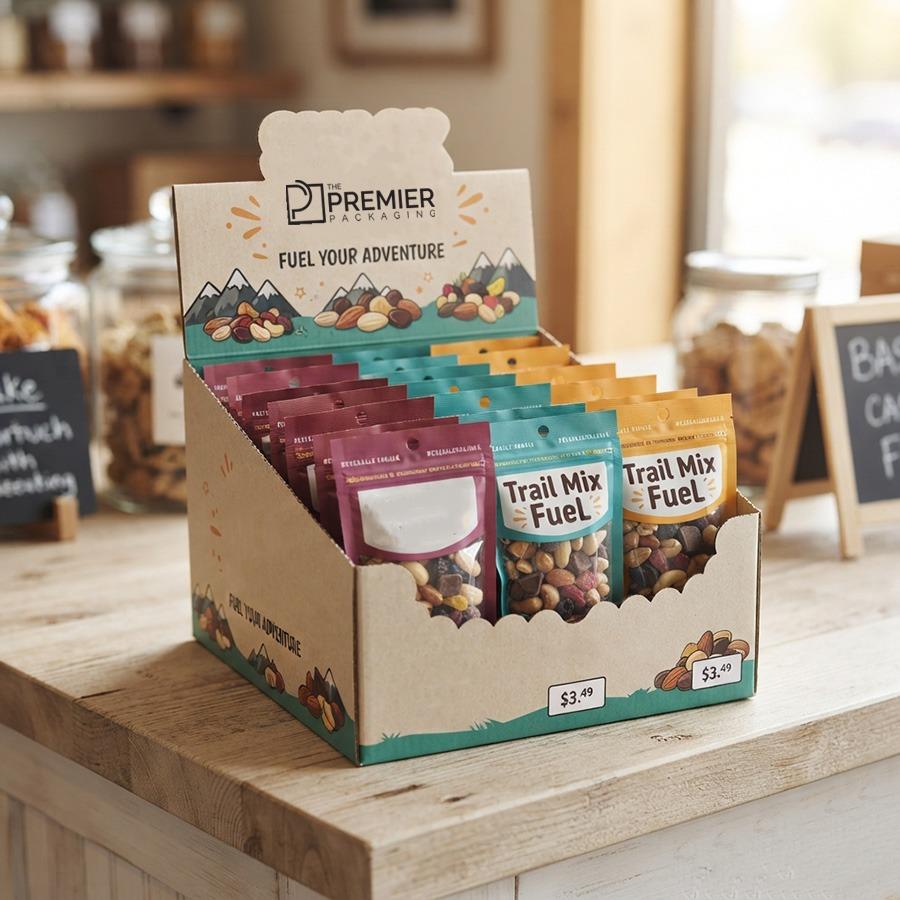
There are three things a retail packager has to do. It should enhance product stability during transportation, be attractive on the shelf, and generate less waste. When material selection, structure, printing, and store usage are considered together, modern brands are discovering that sustainable design can achieve all three goals.
Shelf-ready packaging is packaging prepared to be displayed on shelves with minimal handling. It can be used as a shipping case, stocking unit and retail display. This facilitates restocking of products in the stores and increases the consumer's acquaintance with the brands in the point of sale.
Start With the Shelf
Study the retail space first, then consider the paper or ink or finishes. Record shelf height, width, number of products, and where they go and how they are arranged. A beautiful package that doesn't fit on the shelf can be a waste and extra work.
During a practical shelf review, the following questions should be addressed:
-
How many units are in the 1st display?
-
Will customers be able to easily identify the product name?
-
Are staff able to open the pack with a knife?
-
Will it be stable if it is partially full?
-
Does it roll or slide off the shelf/into transport readily?
Choose Better Materials
Paperboard and corrugated fiber are some commonly used sustainable retail packaging options. They are easily printable, light, and can be recycled more readily than multi-material structures. When molding pulp is used to protect fragile products, the need for foam and plastic inserts is eliminated.
Consider these options:
-
Recycled paperboard cartons.
-
Corrugated shelf trays.
-
Molded fiber inserts.
-
Uncoated kraft board.
-
Recyclable mono-material films.
-
Reusable tins or containers.
Look at recycled content, access to local recycling, moisture resistance, strength, product safety. Sustainability does not follow the lead of "natural appearances.
Effectively use Retail Display Boxes
Retail display boxes are intended to protect products during transit and to clearly display them in-store. A tear-away front on a tray will open rapidly, elevating the product to the eye. Exhibits can be quickly replenished. A perforated case will decrease handling and maintain brand exposure.
Maintain the correct proportion of the structure. Excessive blanks consume material, shipping space, and storage space. Insufficient space can cause products to be squashed or difficult to restock.
Reduce Unnecessary Layers
Many packages have extra sleeves, lids, windows, inserts, and wraps that the customers don't need. Discuss each part and what it does.
Take off a layer when it does not:
-
Protect the product.
-
Provide the required information.
-
Improve handling.
-
Support shelf presentation.
-
Assist customers in using/conserving the product.
This process may help to minimize material, cost, assembly time, and shipping weight. It can also simplify recycling as the customers have fewer parts to separate.
Program for Easy Opening.
Packaging needs to be shelf-ready, meaning it should be easy for retailers or store personnel to prepare the product for sale. Opening may require excessive force or a sharp knife and involve many confusing steps, resulting in longer restocking times and potential damage to products.
Tear strips, perforations, pop-open trays, and clear opening marks. Test with a variety of users, including those who have never seen the design.
The strength of the display must hold up when opened. Requires tough edges to edge. They must have clean edges. Weak edge, frayed corners or loose tray can decrease the appearance of the shelf.
Print With Less Impact
Printing can change the environmental profile of a package. If applicable, use water-based or vegetable-based inks. When a simple design communicates the same message, avoid using too much ink.
When it comes to printing, minimalism can often create a modern, legible result. A single strong brand color, clear typography, and a simple product benefit. While a small foil accent or spot finish can add impact, too many can make recycling more difficult.
Confirm with suppliers if coatings, adhesives, and laminations are suitable for the recycling stream. Never presume paper packaging is recyclable if it contains challenging mixed layers.
Make Sustainability Visible
Consumers are interested in knowing the meaning of environmental claims. Provide a plain language explanation of the material and disposal. For instance, made with recycled paperboard" is easily understood compared to "planet-friendly box.
Include basic directions like:
-
Take off the plastic window when recycling.
-
When used, flatten the carton.
-
Return the paper tray to where they accept it is accepted for recycling.
-
Don't throw away the container until you can reuse it.
Don't make unprovable statements. The current packaging guidance also emphasizes that substantiated sustainability brands need to back up environmental claims with evidence.
Use the least amount of material to protect products.
While it is true that sustainable design is not just about minimizing packaging, it is also about designing the packaging to be as efficient as possible. It refers to the correct application dosage. Product damage = waste, returns, replacement shipping, customer frustration.
If the tray is slightly stronger, it will take more board but will not cause any damage again. Consider the full life cycle, and don't just evaluate sustainability by weight alone.
Add Digital Information
A QR code may contain material information, recycling tips, source information, or product instructions, without adding packaging clutter. Print important information. The code should complement the package, not substitutions for ingredients, warnings, expiry date, or label requirements. Check the link on mobile phones and ensure the page loads quickly.
Design for Retail Staff
Time-saving packaging is a retailer's dream. The display should be simple to carry, open, place, and refill quickly. Displays should be lightweight. Clearly marked case labels can assist warehouse staff in locating products without opening all cartons.
When necessary, use strong handles. Ensure bar codes are always exposed and test the design with store personnel.
The value of shelf-ready systems is in their ability to minimize handling and increase product visibility at the point of sale.
Compare the Full Cost of the pattern.
While the unit cost of sustainable packaging could be higher, the costs of labor, shipping space, damage to goods, and waste can be lower. Calculate the overall expenses from production, storage, transport, stocking, and disposal.
Final Thoughts
The goal of sustainable shelf packaging should be to not only minimize the amount of material used but also to contribute to overall sustainability. It should safeguard products, make retailing easier, enhance product visibility, and provide consumers with transparency on environmental options.
The best design uses recycled or recyclable materials, is the appropriate size, is well-constructed, is easy to print, and is easy to open. It doesn't provide extra layers for no reason, and it doesn't endanger products.
For contemporary brands, eco-friendly retail packaging represents not just an environmental decision but also a business opportunity. If done well, retail display boxes can enhance shelf presence, aid quicker restocking, and build a more responsible brand image.
- Managerial Effectiveness!
- Future and Predictions
- Motivatinal / Inspiring
- Fitness and Wellness
- Medical & Health
- Manufacturing
- Education
- Real-Estate
- Food Industry
- Hospitality
- Online Games
- Sports
- Home Services
- Civil Engineering
- Safety and Protection
- Software Products & Services
- Fashion and Jewellery
- Artificial Intelligence
- Entrepreneurship
- Mentoring & Guidance
- Marketing
- Networking
- HR & Recruiting
- Literature
- Shopping
- Career Management & Advancement