

 SkillClick
7 Factors That Affect Dental Crown Cost in Australia
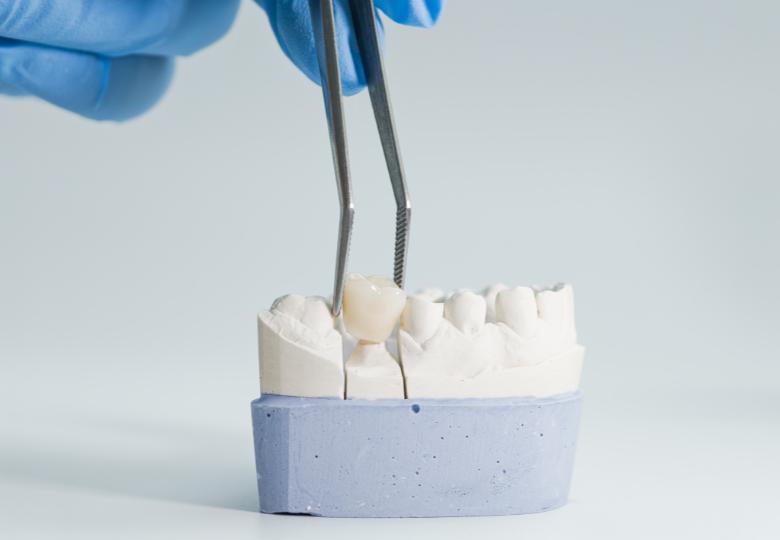
A dental crown can restore the shape, strength and appearance of a damaged or weakened tooth, but the amount you pay can vary considerably depending on several factors. Understanding what influences dental crown costs can make it easier to interpret a treatment estimate and compare different options.
What Is a Dental Crown?
A dental crown is a custom-made restoration placed over a tooth to protect it and restore its function. Crowns may be recommended when a tooth has extensive decay, a large filling, a crack or significant structural damage. They can also be used after certain dental procedures where additional protection is needed.
Crowns are designed to resemble natural teeth and are made to fit securely over the prepared tooth. Depending on the circumstances, a dentist may discuss different materials and restoration options.
7 Factors That Affect Dental Crown Cost
1. Type of Crown Material
The material selected for a crown can have a significant effect on the overall price. Common options include porcelain, ceramic, porcelain fused to metal and zirconia.
Each material has different characteristics relating to strength, appearance and suitability for particular teeth. For example, highly aesthetic materials may be selected for visible front teeth, while stronger materials may be considered for teeth exposed to greater chewing pressure.
2. Location of the Tooth
The position of the tooth can influence the type of crown recommended and the complexity of the treatment. Front teeth often require careful attention to colour, shape and translucency because they are more visible.
Back teeth generally experience greater chewing forces, so durability and resistance to wear can be important considerations. The location of the tooth may therefore affect both material selection and treatment requirements.
3. Condition of the Existing Tooth
The condition of the tooth before crown treatment can also influence the total cost. A relatively healthy tooth that only requires preparation may involve a simpler process.
However, if the tooth has extensive decay, a fracture or other structural problems, additional treatment may be required before the crown can be placed. This could include a filling, core build-up or other restorative work.
4. Additional Dental Procedures
A crown is not always the only treatment required. Some teeth may need additional procedures before they can support a crown properly.
For example, if the inner part of the tooth is infected, root canal treatment may be recommended. In other situations, gum treatment or additional restoration may be necessary. These procedures can increase the overall treatment cost.
5. Laboratory and Manufacturing Costs
Many crowns are individually designed and manufactured to match the tooth. The process may involve dental laboratory work, digital scanning, impressions and computer-aided design.
The complexity of creating the restoration, the material used and the technology involved can all contribute to the final fee.
6. Number of Crowns Required
The cost of treatment will naturally change depending on how many crowns are needed. Replacing or restoring a single tooth is different from requiring several crowns as part of a wider restorative treatment plan.
When multiple teeth are involved, the dentist may need to assess how the crowns will work together in terms of bite, appearance and function.
7. Dentist, Location and Treatment Complexity
Dental fees can vary between practices and locations across Australia. Factors such as the dentist’s experience, practice overheads, equipment and the complexity of the treatment can influence the quoted fee.
It is important to ask for a detailed treatment estimate so you understand what is included. The quoted amount may cover consultation, tooth preparation, temporary restoration, crown fabrication and final placement, but inclusions can differ.
How Can You Understand the Cost Before Treatment?
Before proceeding, ask the dental practice for a written treatment plan and itemised estimate. You can ask which crown material is being recommended, why it is suitable and whether any additional procedures are required.
It can also be useful to ask whether the quoted amount includes scans, impressions, laboratory fees, temporary crowns and follow-up appointments. If you have private health insurance, check whether your policy provides benefits for major dental services and whether waiting periods or annual limits apply.
Are More Expensive Crowns Always Better?
Not necessarily. The most suitable crown depends on the individual tooth, its position, the amount of remaining tooth structure, aesthetic requirements and functional demands.
A more expensive material may offer advantages in certain situations, but that does not automatically mean it is the right choice for every patient. Your dentist can explain the benefits and limitations of the available materials based on your specific circumstances.
Dental crown fees in Australia can vary because treatment is influenced by the crown material, tooth location, existing tooth condition, additional procedures, laboratory work, number of crowns and the complexity of the treatment. Rather than focusing only on the initial price, consider what is included in the treatment plan and why a particular option has been recommended. Understanding these factors can help you make a more informed decision about dental crown cost and the treatment required for your tooth.
Frequently Asked Questions
1. How much does a dental crown cost in Australia?
The cost varies depending on the crown material, tooth location, preparation required and whether additional dental treatment is needed. A dental practice can provide an individualised estimate after assessing the tooth.
2. Which type of dental crown is the most affordable?
The price depends on the material and the circumstances of treatment. Some materials generally cost less than premium aesthetic options, but suitability should be considered alongside price.
3. Does health insurance cover dental crowns?
Some private health insurance policies may provide benefits towards major dental treatment, including crowns. Coverage, limits and waiting periods vary between policies, so checking your individual policy is recommended.
4. How long does a dental crown last?
A crown can last for many years when properly fitted and maintained. Longevity depends on factors such as oral hygiene, biting forces, the condition of the underlying tooth and regular dental care.
5. Are dental crowns necessary for damaged teeth?
Not every damaged tooth requires a crown. The appropriate treatment depends on the extent and type of damage. A dentist can assess the tooth and explain whether a crown or another restoration is appropriate.
Summary:
1.
A dental crown can be used to restore a damaged or weakened tooth, but the amount you pay can vary depending on several factors.
2.
Understanding what influences a dental crown and how it affects your teeth can make it easier to interpret a treatment estimate and compare different options.
3.
Div> What Is a Dental Crown? A dental crown is a custom-made restoration placed over a tooth to protect it and restore its function.
- Managerial Effectiveness!
- Future and Predictions
- Motivatinal / Inspiring
- Fitness and Wellness
- Medical & Health
- Manufacturing
- Education
- Real-Estate
- Food Industry
- Hospitality
- Online Games
- Sports
- Home Services
- Civil Engineering
- Safety and Protection
- Software Products & Services
- Fashion and Jewellery
- Artificial Intelligence
- Entrepreneurship
- Mentoring & Guidance
- Marketing
- Networking
- HR & Recruiting
- Literature
- Shopping
- Career Management & Advancement