

 SkillClick
Which Lithium Batteries Are Dangerous? Understanding Fire and Explosion Risks
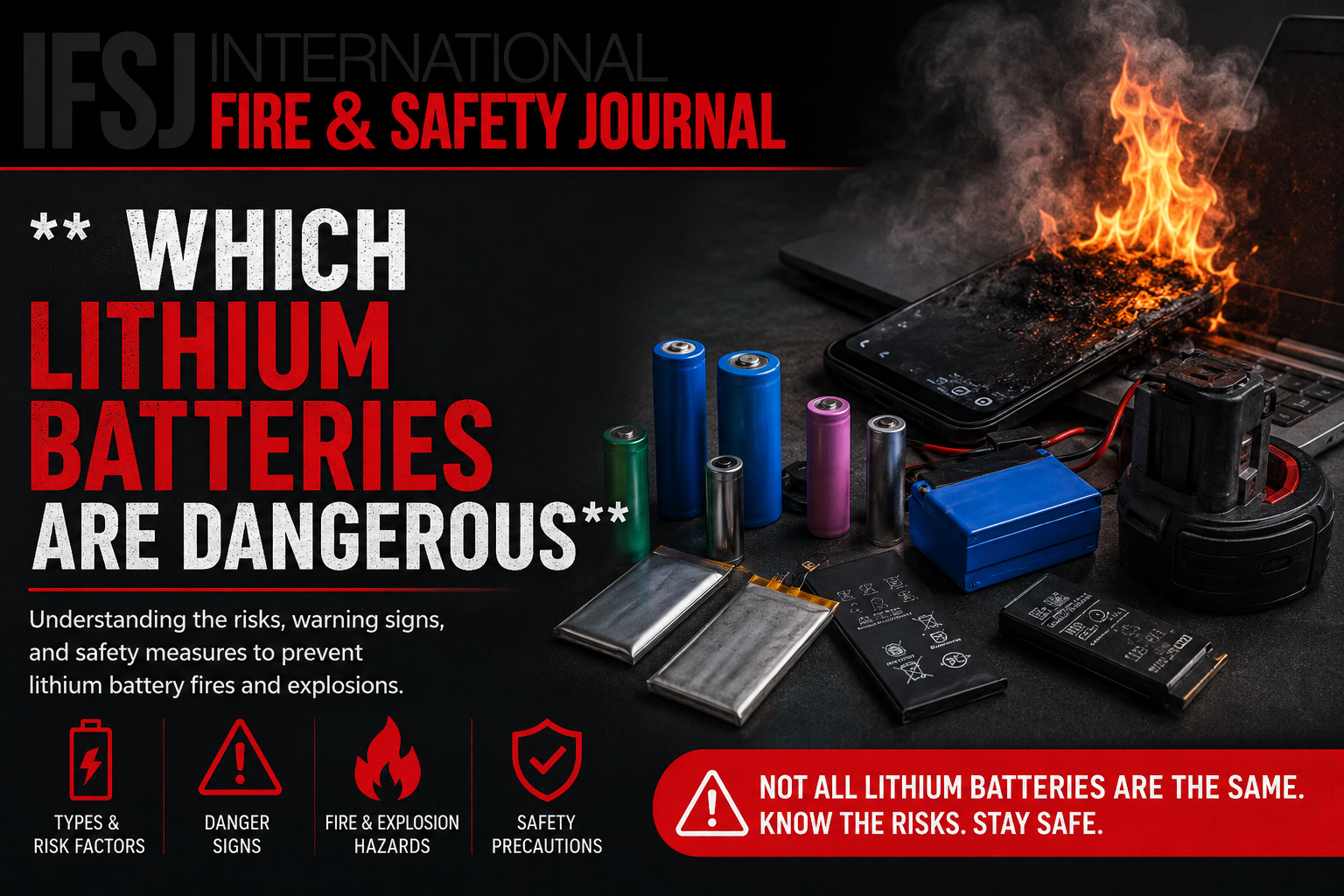
Lithium batteries have become an essential part of modern life. They power smartphones, laptops, power tools, electric vehicles, e-bikes, drones, portable power stations, and energy-storage systems. Their ability to store substantial amounts of energy in a relatively compact package makes them highly useful, but that stored energy can also become a safety concern when a battery is damaged, overheated, incorrectly charged, or poorly manufactured.
Which lithium batteries are dangerous depends on several factors, including their chemistry, condition, design, and how they are charged and used. Although modern batteries include safety features to control temperature and electrical activity, damage, overheating, overcharging, manufacturing defects, or improper handling can still create serious fire and explosion risks.
Understanding how these failures occur and recognizing the warning signs can help people take action before a battery problem develops into a major fire or safety incident.
Why Can Lithium Batteries Catch Fire or Explode?
A lithium battery fire can occur when a cell generates more heat than it can safely release. When considering which lithium batteries are dangerous, it is important to understand that the risk is influenced not only by battery chemistry but also by damage, charging conditions, temperature, and overall battery condition.
Thermal runaway occurs when a battery cell experiences uncontrolled heating. As its temperature rises, internal chemical reactions can produce additional heat, causing the temperature to increase further. In a battery pack containing multiple cells, the heat can potentially spread to neighboring cells.
Several conditions can contribute to this process:
- Overcharging
- Internal short circuits
- Physical damage
- Excessive temperatures
- Manufacturing defects
- Faulty charging equipment
- Improper storage
- Electrical or mechanical abuse
During severe failure, a battery can release flammable gases. If these gases encounter an ignition source, a fire may occur. Pressure can also build inside a damaged cell and potentially cause the casing to rupture.
A battery does not normally explode simply because it contains lithium. A serious incident generally results from a combination of battery failure, heat, electrical conditions, physical damage, or another triggering factor.
Which Lithium Battery Types Have Higher Fire Risks?
Different lithium battery chemistries have different characteristics. Their energy density, thermal stability, construction, and intended application can all influence how they behave under abnormal conditions.
Lithium-Ion Batteries
Lithium-ion batteries are among the most widely used rechargeable batteries. They are found in smartphones, laptops, cameras, power tools, electric vehicles, and many other products.
Their high energy density is a major advantage, but it also means that a failed battery can release a substantial amount of energy. Internal short circuits, overheating, overcharging, or physical damage can cause a cell to become unstable.
A lithium-ion battery that becomes unusually hot, swollen, cracked, or physically damaged should not be treated as normal. Continuing to use or charge a compromised battery can increase the possibility of a serious failure.
Lithium Polymer Batteries
Lithium polymer, or LiPo, batteries are commonly used in drones, remote-controlled devices, portable electronics, and lightweight equipment.
Their construction gives manufacturers flexibility when designing battery packs, but physical damage can compromise the cells. Punctures, crushing, overcharging, and swelling can create hazardous conditions.
A swollen LiPo battery should never be squeezed or punctured. Attempting to reshape or repair the battery can damage the cell further and increase the risk of a dangerous reaction.
Lithium Cobalt Oxide Batteries
Lithium cobalt oxide batteries have been used in many compact consumer electronics because they offer high energy density.
One concern with this chemistry is its comparatively lower thermal stability than some alternative lithium battery chemistries. Excessive heat, overcharging, and physical damage can increase the likelihood of battery failure.
Modern electronic devices generally incorporate protection systems to help regulate charging and operating conditions. However, these systems cannot guarantee that a severely damaged or defective battery will remain safe.
NMC and NCA Batteries
Lithium nickel manganese cobalt oxide, commonly called NMC, and lithium nickel cobalt aluminum oxide, or NCA, are high-energy battery chemistries used in electric vehicles, power tools, and energy-storage applications.
Because these batteries can store significant amounts of energy, effective temperature monitoring and battery-management systems are particularly important.
Proper installation, charging, maintenance, and protection against physical damage can help reduce potential risks.
What Causes Lithium Battery Fires?
There is no single cause behind every lithium battery fire. Several electrical, mechanical, and environmental factors can contribute.
Overcharging can place excessive stress on cells and increase heat generation. Using compatible chargers and following the manufacturer's instructions can help reduce this risk.
Internal short circuits can cause a rapid increase in current and heat. They may result from manufacturing defects, physical damage, or deterioration of internal components.
Physical damage is another important concern. Dropping, crushing, bending, or puncturing a battery can damage its internal structure even when the exterior does not appear severely affected.
Extreme temperatures can influence battery behavior. Excessive heat can accelerate chemical reactions within a cell, while unsuitable cold conditions can affect charging and battery performance.
Poor-quality batteries and charging equipment may not provide the same level of protection and quality control as products from reputable manufacturers.
Manufacturing defects can also cause failures even when a battery has been used according to instructions.
What Causes a Lithium Battery to Explode?
An explosion can occur when a severely compromised battery releases gases and pressure builds faster than the cell or enclosure can safely contain them.
During thermal runaway, internal materials can break down and produce gases. If pressure rises significantly, the battery casing may rupture. If flammable gases are released and encounter an ignition source, the result can be a fire or explosive event.
The scale of an incident can depend on factors such as battery chemistry, cell size, state of charge, surrounding environment, ventilation, and the number of cells involved.
For this reason, a damaged battery should never be deliberately punctured, crushed, dismantled, or exposed to an ignition source.
What Are the Warning Signs of a Failing Lithium Battery?
Battery failures do not always begin with visible flames. Changes in appearance, temperature, smell, or performance can provide an early indication that something is wrong.
Swelling or Bulging
A swollen or bulging battery can indicate an internal problem. It may result from gas buildup or other changes occurring inside the cell.
Never attempt to press a swollen battery back into shape or puncture it to release gas. Doing so can damage the cell and create an additional hazard.
Excessive Heat
Some warmth during normal operation or charging can be expected. However, a battery that becomes extremely hot or rapidly increases in temperature should be treated with caution.
Pay particular attention if a device becomes hot without an obvious reason or remains unusually hot after charging.
Smoke or Unusual Sounds
Hissing, popping, crackling, or visible smoke can indicate a serious battery failure.
If these signs appear, avoid unnecessary contact with the battery and move people away from the immediate area. Follow appropriate emergency procedures rather than attempting to investigate or repair the battery yourself.
Unusual Odors
A strong or unusual chemical smell can indicate that a battery has been compromised. Leakage or visible fluid is another warning sign.
Do not handle leaking battery material with bare hands. Follow appropriate safety procedures and disposal requirements.
Physical Damage
Cracks, dents, punctures, crushing, and deformation can compromise a battery.
A battery may also have internal damage that is not immediately visible. This is particularly important after an impact involving an electric vehicle, e-bike, power tool, drone, or other battery-powered equipment.
How Can Lithium Battery Fires and Explosions Be Prevented?
Prevention begins with proper charging and handling. Always use compatible charging equipment and follow the manufacturer's instructions.
Avoid exposing batteries to unnecessary impacts, direct heat, moisture, or unsuitable temperatures. Inspect frequently used devices for swelling, cracks, damaged connectors, or other unusual changes.
Loose batteries should be protected from contact with metal objects such as coins, keys, and tools. Accidental contact between battery terminals and conductive materials can create a short circuit.
Batteries should also be purchased from reputable manufacturers and suppliers. Extremely cheap or counterfeit products may not provide the expected level of quality or protection.
For businesses, additional controls may be necessary. Charging areas, employee training, battery inspection, storage procedures, and emergency planning can all help reduce fire risks.
What Should You Do If a Lithium Battery Starts Smoking or Burning?
A smoking or burning lithium battery should be treated as a serious emergency.
Do not attempt to pick up, puncture, crush, or dismantle the battery. Move people away from the affected area and follow the emergency procedures established for the location.
If a battery is inside a device and begins smoking, avoid unnecessary contact with the device. Emergency responders should be informed about the presence of a lithium battery so they can make appropriate decisions based on the circumstances.
A battery that appears to have stopped burning should not automatically be considered safe. Cells can remain hot, damaged, or unstable after an initial event, and reignition can be a concern.
How Should Damaged Lithium Batteries Be Stored and Disposed Of?
Damaged lithium batteries should not be placed in ordinary household rubbish or standard recycling bins unless the applicable local program specifically accepts them.
Do not puncture, crush, dismantle, or attempt to repair damaged cells. Keep damaged batteries away from undamaged batteries and follow appropriate local procedures for collection and disposal.
Businesses that handle large quantities of batteries should have a defined process for identifying and isolating damaged units. Employees should know who to contact and what procedures to follow when a battery begins swelling, overheating, leaking, or showing other warning signs.
Proper disposal is important because batteries can retain energy even after they are removed from the equipment in which they were used.
Where Are Lithium Battery Fire Risks Most Common?
Lithium batteries are used across a wide range of products and systems, including:
- Smartphones and laptops
- E-bikes and e-scooters
- Electric vehicles
- Power tools
- Drones
- Portable power stations
- Solar-energy storage systems
- Backup power systems
- Warehouses storing battery-powered products
The risks vary depending on the size and design of the battery system. A small consumer battery and a large energy-storage installation require different safety and emergency measures.
Facilities storing significant quantities of lithium batteries should consider battery-specific hazards when developing fire prevention, storage, inspection, and emergency-response procedures.
Conclusion
Lithium batteries offer major advantages in electronics, transportation, tools, and energy storage, but the energy they contain requires responsible management. Fire and explosion risks can increase when batteries are damaged, improperly charged, overheated, or affected by manufacturing problems.
Recognizing swelling, excessive heat, unusual odors, smoke, physical damage, and other warning signs can help identify potential problems early. Safe charging, proper storage, regular inspection, responsible disposal, and suitable emergency planning are essential parts of battery safety.
For additional fire prevention and safety information, international fire and safety journal provides industry-focused resources covering fire protection, emergency preparedness, and safety practices.
FAQs
Can all lithium batteries catch fire?
Lithium batteries can present a fire risk under certain failure conditions, but properly manufactured batteries used according to their instructions are designed with safety controls to reduce these risks.
Can overcharging cause a lithium battery to explode?
Overcharging can place significant stress on battery cells and contribute to overheating. Using compatible charging equipment and following manufacturer instructions can help reduce this risk.
What is thermal runaway in a lithium battery?
Thermal runaway is an uncontrolled heating process in which rising temperature triggers reactions that generate additional heat. In severe cases, it can result in fire, smoke, gas release, or cell rupture.
Is a swollen lithium battery dangerous?
Swelling is a warning sign that may indicate an internal battery problem. A swollen battery should not be squeezed, punctured, dismantled, or returned to normal use.
Can a lithium battery catch fire after being damaged?
Yes. Physical damage can affect internal battery components and create conditions that may lead to short circuits, overheating, or thermal runaway.
How should a damaged lithium battery be disposed of?
Do not place it in ordinary waste unless local authorities specifically permit that method. Follow local battery-recycling or hazardous-waste procedures and avoid damaging the battery further.
- Managerial Effectiveness!
- Future and Predictions
- Motivatinal / Inspiring
- Fitness and Wellness
- Medical & Health
- Manufacturing
- Education
- Real-Estate
- Food Industry
- Hospitality
- Online Games
- Sports
- Home Services
- Civil Engineering
- Safety and Protection
- Software Products & Services
- Fashion and Jewellery
- Artificial Intelligence
- Entrepreneurship
- Mentoring & Guidance
- Marketing
- Networking
- HR & Recruiting
- Literature
- Shopping
- Career Management & Advancement