

 SkillClick
Glass Packaging Market Shifts Reshaping Sustainability, Design, Technology, and Consumer Packaging Choices
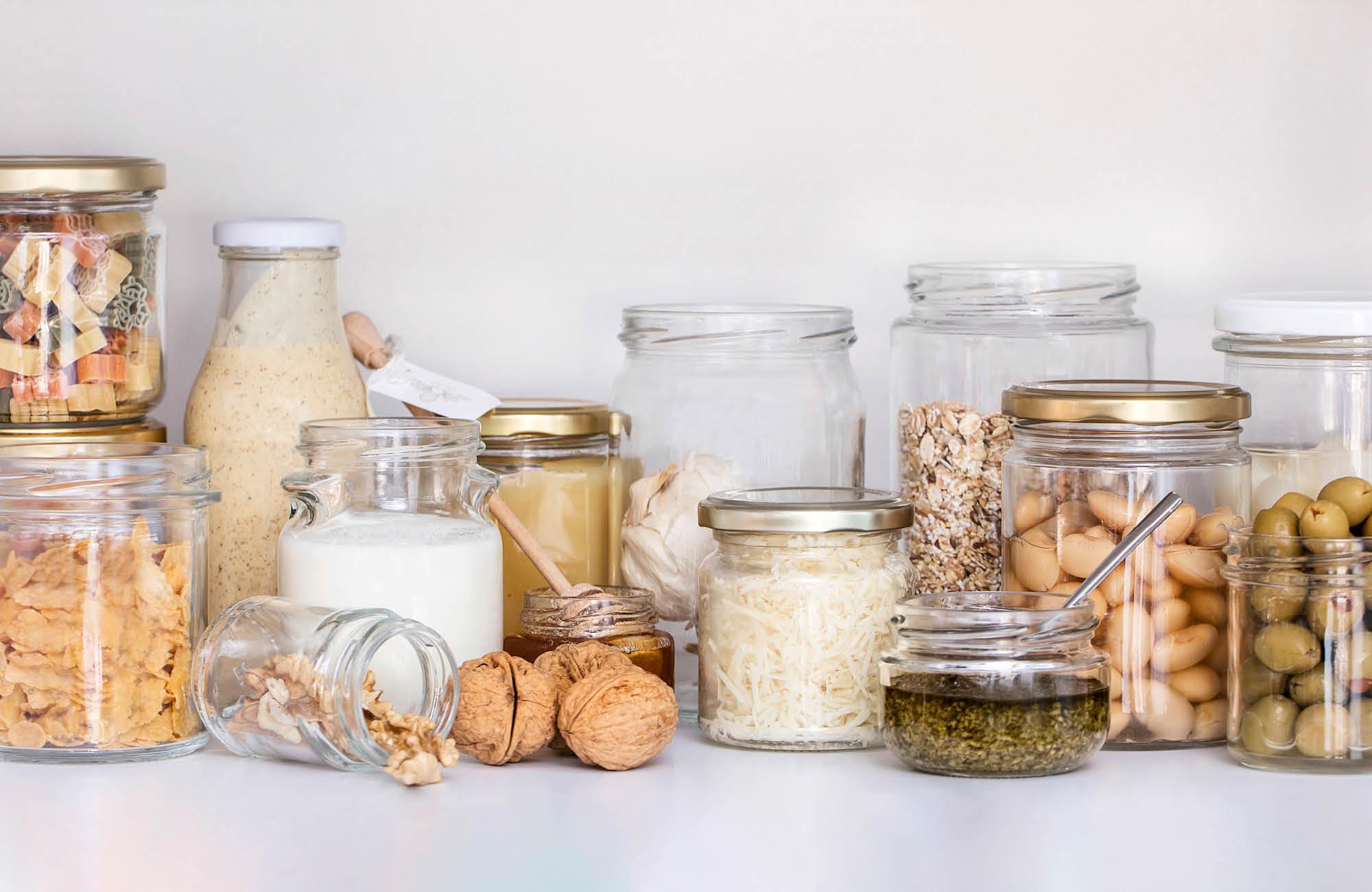
The Glass Packaging Market is undergoing a significant transformation as manufacturers, brands, retailers, and consumers reassess the role of packaging in sustainability, product protection, convenience, and brand differentiation. Glass has long been valued for its chemical stability, impermeability, transparency, recyclability, and premium appearance. However, the industry is no longer competing solely on these established characteristics.
Today, packaging producers are responding to changing environmental expectations, evolving regulations, energy pressures, technological advances, and new consumption patterns. These forces are creating important Glass Packaging Market Shifts, particularly around lightweighting, circularity, refill systems, premiumization, digitalization, and low-carbon manufacturing.
The result is an industry moving beyond conventional bottles and jars toward smarter, lighter, more resource-efficient, and application-specific packaging solutions.
Shift Toward Circular and Recyclable Packaging
One of the most important changes is the growing emphasis on circularity. Glass can be repeatedly recycled into new glass containers when collection and processing systems provide sufficiently clean and properly sorted material. This characteristic is strengthening its position as brands seek packaging solutions that align with circular-economy objectives.
The focus is increasingly moving from simply manufacturing recyclable containers toward building effective recovery systems. Collection infrastructure, sorting technology, color separation, recycled-glass availability, and consumer participation are becoming important components of packaging strategy.
Higher utilization of recycled glass, commonly known as cullet, can also reduce dependence on virgin raw materials and support more efficient melting operations. Consequently, manufacturers are paying greater attention to securing reliable cullet streams and improving the quality of recovered material.
Lightweighting Is Redefining Glass Containers
Glass has traditionally faced criticism for being heavier than several competing packaging materials. This challenge is encouraging manufacturers to redesign containers without compromising safety, strength, filling-line performance, or consumer experience.
Lightweighting is therefore becoming a central manufacturing strategy. Advanced forming technologies, improved glass distribution, stronger container geometries, and surface treatments allow producers to reduce material consumption while retaining required mechanical performance.
Lighter bottles and jars can also reduce transportation weight, creating potential logistics and emissions advantages throughout the supply chain. This makes lightweighting more than a production initiative; it has become an important component of broader sustainability programs.
The future of lightweight glass will increasingly depend on balancing three requirements: minimum material usage, reliable performance, and attractive appearance.
Refillable Models Are Gaining Attention
Another important shift is the renewed interest in reusable and refillable glass packaging. Instead of treating every container as a single-use product, companies are exploring systems in which bottles can be collected, cleaned, refilled, and returned to circulation.
Refill models can be particularly relevant for beverages, food products, personal care products, and selected household applications where standardized containers and efficient return logistics are feasible.
However, successful reuse requires more than durable bottles. Collection networks, washing facilities, reverse logistics, standardized designs, consumer participation, and appropriate distribution models are equally important.
This means the industry is gradually shifting from a product-centered approach toward a system-centered packaging model.
Premiumization Is Expanding the Role of Glass
Glass is also benefiting from the growing importance of premium presentation. Packaging has become a major part of how consumers perceive product quality, authenticity, craftsmanship, and brand identity.
Distinctive bottle shapes, embossed surfaces, unusual colors, decorative finishes, specialized closures, and high-quality labeling are increasingly used to create visual differentiation. Premium beverages, specialty foods, fragrances, cosmetics, and gourmet products can particularly benefit from this approach.
This trend creates opportunities for manufacturers capable of producing customized designs without excessive production complexity. Smaller production runs, flexible forming technologies, and advanced decoration capabilities are becoming increasingly valuable as brands seek distinctive packaging.
Consequently, glass is shifting from being viewed simply as a protective container toward functioning as an important marketing asset.
Decarbonization Is Changing Manufacturing Priorities
Glass production is energy-intensive because raw materials must be melted at extremely high temperatures. Energy consumption and emissions are therefore major considerations for manufacturers seeking long-term operational efficiency.
This is driving investment in furnace modernization, improved heat recovery, electric technologies, hybrid systems, renewable electricity, and other lower-carbon production approaches.
Increasing recycled-glass utilization is another important pathway because cullet can reduce the amount of energy required compared with processing entirely virgin raw materials.
These developments indicate a broader transformation in manufacturing priorities. Production efficiency is increasingly being measured not only by output and cost, but also by energy intensity, carbon performance, material efficiency, and resource utilization.
Technology Is Enabling Smarter Packaging Design
Digital tools and advanced manufacturing technologies are becoming increasingly relevant to glass packaging. Computer-aided design, automated inspection, process monitoring, artificial intelligence, and data analytics can help manufacturers identify defects, optimize production parameters, and improve consistency.
Quality-control systems are particularly important because even small defects can affect container performance. Automated inspection can evaluate dimensions, wall thickness, surface quality, and other characteristics at production speed.
Digitalization can also support traceability across the packaging supply chain. As regulatory expectations and customer sustainability requirements become more sophisticated, manufacturers may need stronger evidence regarding material composition, recycling pathways, and production performance.
The combination of advanced manufacturing and digital monitoring is therefore helping transform glass production from a largely mechanical process into a more data-driven operation.
Pharmaceutical Applications Are Creating New Growth Areas
The pharmaceutical sector represents another significant area of change. Glass has long been used for pharmaceutical containers because of its chemical stability and barrier properties.
Demand is expanding beyond conventional bottles toward specialized vials, ampoules, cartridges, and other formats designed for sensitive pharmaceutical and healthcare products.
The development of biologics, injectable medicines, vaccines, and advanced drug-delivery systems is increasing the importance of high-performance pharmaceutical glass. Manufacturers must meet demanding requirements for dimensional accuracy, chemical resistance, cleanliness, and container integrity.
This shift is encouraging greater specialization and technological investment in pharmaceutical packaging rather than relying exclusively on high-volume beverage and food applications.
Regional Supply Chains Are Becoming More Strategic
Another notable change involves supply-chain resilience. Glass packaging is relatively heavy and can be expensive to transport over long distances. As a result, proximity to filling facilities, raw materials, recycled glass supplies, and major consumer markets can strongly influence production economics.
Manufacturers are increasingly evaluating localized production, regional capacity expansion, supplier diversification, and stronger recycling networks.
Supply disruptions and fluctuations in energy, transportation, and raw-material costs have reinforced the importance of operational resilience. Customers are also increasingly interested in dependable supply rather than focusing only on unit pricing.
This is encouraging closer relationships between glass producers and major packaging buyers, including longer-term planning around capacity, design specifications, recycled content, and sustainability targets.
Consumer Preferences Are Becoming More Multifaceted
Consumer attitudes are also influencing the direction of the industry. Packaging decisions increasingly involve several factors simultaneously: sustainability, appearance, convenience, safety, perceived quality, and recyclability.
Glass benefits from strong consumer associations with purity, premium quality, and product preservation. At the same time, consumers may expect packaging to become lighter, easier to handle, and more environmentally responsible.
This creates a complex challenge for manufacturers. A container must deliver the familiar benefits of glass while responding to expectations for lower material use and reduced environmental impact.
What These Shifts Mean for the Future
The future competitive landscape will likely favor manufacturers that can combine material efficiency with innovation. Simply producing conventional bottles and jars may become less sufficient as customers increasingly request customized, lightweight, recycled-content, reusable, and lower-carbon solutions.
The most influential Glass Packaging Market Shifts are interconnected. Lightweighting reduces material use and transportation requirements. Recycling improves circularity and can support furnace efficiency. Advanced manufacturing enables stronger lightweight designs. Digitalization improves quality and traceability. Premiumization creates additional value from distinctive packaging.
Together, these developments are repositioning glass as a technologically evolving packaging material rather than a traditional packaging choice.
Conclusion
The Glass Packaging Market is entering a period defined by circularity, efficiency, innovation, and changing customer expectations. The industry's transformation is visible in the expansion of lightweight containers, greater attention to recycled glass, renewed interest in refillable systems, premium packaging designs, low-carbon manufacturing technologies, and advanced pharmaceutical applications.
Future success will depend on the ability to integrate these developments rather than treating them as isolated trends. Companies that strengthen recycling infrastructure, optimize production efficiency, invest in advanced forming and inspection technologies, and develop flexible packaging designs will be better positioned to respond to changing market requirements.
As sustainability becomes increasingly connected with product performance and brand value, glass is likely to remain an important packaging material while its role continues to evolve across beverages, food, healthcare, cosmetics, and other consumer industries.
- Managerial Effectiveness!
- Future and Predictions
- Motivatinal / Inspiring
- Fitness and Wellness
- Medical & Health
- Manufacturing
- Education
- Real-Estate
- Food Industry
- Hospitality
- Online Games
- Sports
- Home Services
- Civil Engineering
- Safety and Protection
- Software Products & Services
- Fashion and Jewellery
- Artificial Intelligence
- Entrepreneurship
- Mentoring & Guidance
- Marketing
- Networking
- HR & Recruiting
- Literature
- Shopping
- Career Management & Advancement