

 SkillClick
Diamond Length-to-Width Ratio for Three Stone Rings
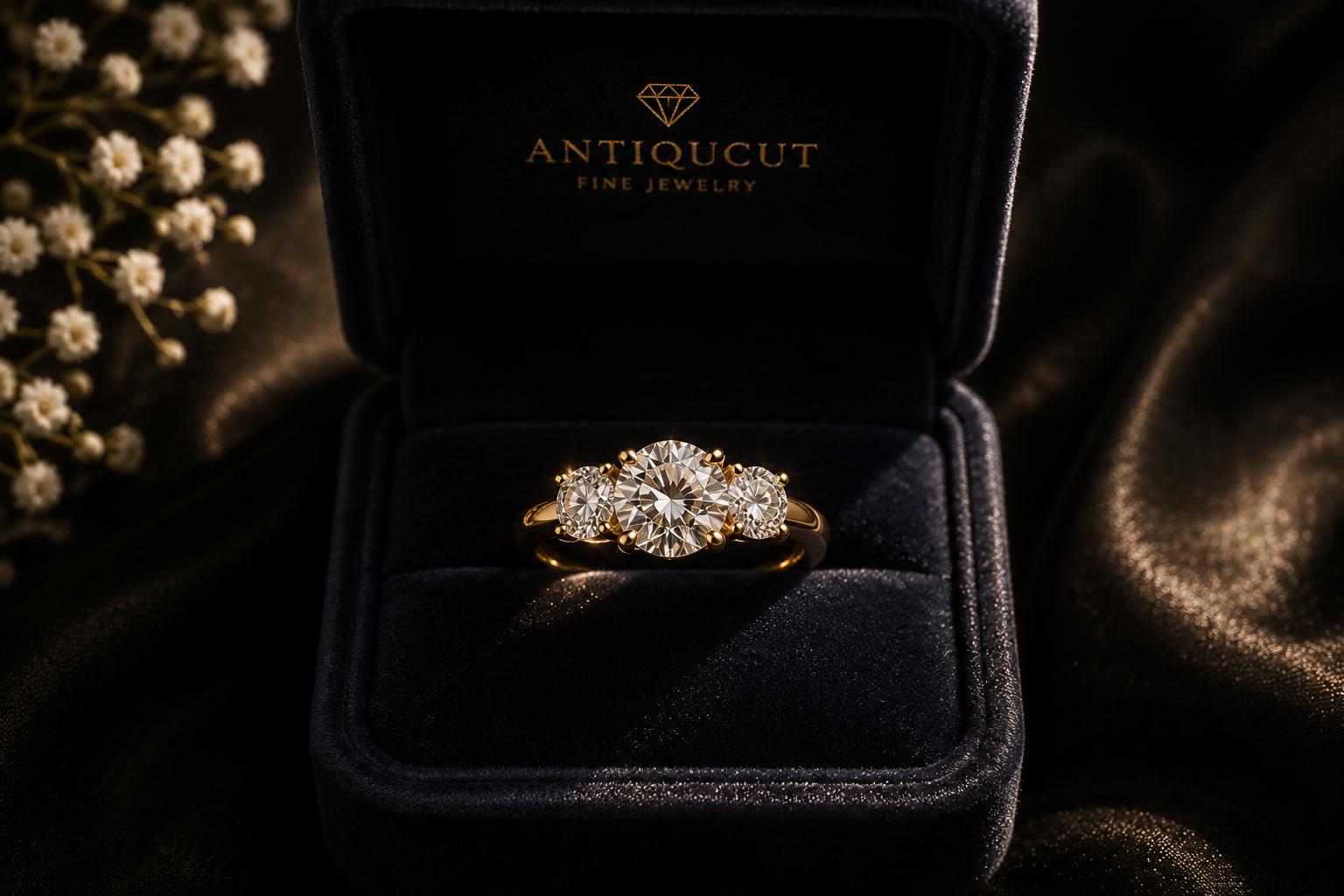
What Is a Diamond Length-to-Width Ratio?
When choosing a diamond, most people first look at its shape, carat weight, and cut. But there is another detail that can make a noticeable difference: the length-to-width ratio.
The length-to-width ratio compares a diamond's length with its width. It is calculated by dividing the length by the width. For example, a diamond measuring 10 mm long and 5 mm wide has a ratio of 2.00.
This measurement is especially useful when choosing elongated shapes such as oval, pear, marquise, and emerald-cut diamonds. It helps you understand how narrow, wide, short, or elongated the stone will look once it is placed in a ring.
For a three-stone design, this matters even more because the center diamond needs to work well with the two side stones.
Why Proportion Matters in a Three-Stone Design
A three-stone ring has three diamonds placed together, so the stones need to look balanced as a group. The center stone usually receives the most attention, while the side stones help frame it.
If the center diamond is very narrow, the side stones may make the design feel wider than expected. If the center stone is too wide, the side diamonds may appear small or crowded beside it.
The goal is not to find one perfect ratio. Instead, you want proportions that create a comfortable visual balance.
This is where personal taste comes in. Some people love a long, slender center stone, while others prefer a fuller shape with more visible width.
How Ratios Change the Look of Different Shapes
Oval Diamonds
Oval diamonds can have a wide range of length-to-width ratios. A lower ratio gives the stone a fuller appearance, while a higher ratio creates a longer and narrower look.
For a three stone diamond ring, an oval center stone with a balanced ratio can work well with smaller oval, pear, or round side stones. The right combination can make the center stone stand out without making the ring feel uneven.
Pear-Shaped Diamonds
Pear diamonds combine a rounded end with a pointed tip, so their overall proportions can change the character of a ring.
A longer pear may create a slim appearance, while a wider pear can feel fuller. When used as side stones, their direction also matters. They can point toward or away from the center stone, changing the overall shape of the setting.
Emerald-Cut Diamonds
Emerald-cut diamonds usually have a rectangular appearance, making their length-to-width ratio particularly noticeable.
A ratio closer to a square shape gives a different look from a long rectangular stone. For a three-stone setting, the center emerald-cut diamond should have enough width and presence to work with the proportions of the side stones.
Marquise Diamonds
Marquise diamonds are naturally long and narrow. A higher ratio creates a more stretched appearance, while a lower ratio gives the stone a slightly broader outline.
If you prefer a strong elongated look, a longer marquise may suit your taste. However, the side stones should be selected carefully so they do not compete with the center stone.
Finding the Right Balance Between Three Stones
When shopping for an engagement ring three stone design, avoid judging the center diamond by its ratio alone.
Look at all three stones together.
Consider:
- The length and width of the center stone
- The shape and proportions of the side diamonds
- The size difference between the center and side stones
- The amount of metal between each diamond
- How the stones sit next to one another
- How the ring looks from the top and side
A center diamond with a beautiful ratio can still look out of place if the side stones have very different proportions.
For example, a long oval center paired with very round side diamonds creates a different appearance than the same oval paired with elongated side stones. Neither choice is wrong. It simply depends on the look you want.
Ratio and Carat Weight Are Not the Same Thing
One common mistake is assuming that two diamonds with the same carat weight will have the same face-up size.
They may not.
A diamond's measurements depend on its shape and proportions. Two one-carat diamonds can have different length-to-width ratios and therefore look different when viewed from above.
This is why it helps to check the actual measurements instead of focusing only on carat weight.
For a three stone wedding ring, this is particularly useful because the visual size of each diamond contributes to the overall balance of the ring.
How to Choose a Ratio You Will Love
Start by deciding what type of appearance you prefer.
If you like a fuller diamond, look for a lower ratio within the normal range for your chosen shape. If you prefer a longer and slimmer appearance, consider a higher ratio.
It can also help to compare several diamonds side by side. Seeing the difference between two ratios is often easier than understanding the numbers alone.
You should also consider the setting. A low-profile setting may make the ring feel more understated, while a raised setting can give the center stone greater presence.
If you are unsure, ask your jeweler to show you different proportions in the same ring style. This can make the decision much easier and prevent disappointment later.
The Side Stones Deserve Attention Too
It is easy to focus almost entirely on the center diamond, but the side stones have an important job.
They frame the center and help determine how wide the ring appears across the finger. Their shape, size, ratio, and orientation should complement the main stone.
In some designs, matching all three stones closely creates a clean and coordinated appearance. In others, using contrasting shapes adds more visual interest.
There is no single formula that works for every couple. The best combination is the one that feels right when you see it on your hand.
A Small Number Can Make a Big Difference
Diamond proportions may sound technical, but the idea is simple: the length-to-width ratio tells you how a diamond's shape is balanced between length and width.
When choosing a three-stone ring, understanding this measurement can help you compare diamonds more confidently. It can also help you explain exactly what you want to your jeweler.
Antiquecut can be a useful place to compare different three-stone styles and see how diamond shapes work together in a finished design.
If you are ready to compare different settings, Explore Designs of engagement ring three stone and pay attention not only to carat weight, but also to the shape, measurements, and relationship between all three diamonds.
Final Thoughts
The length-to-width ratio is only one part of choosing a diamond, but it can have a strong effect on the finished look. A good ratio should work with the diamond shape, side stones, setting, and your personal preference.
Take your time comparing different proportions. Once you understand what the numbers mean, choosing a three-stone design becomes much less confusing—and you can feel more confident about the ring you choose.
- Managerial Effectiveness!
- Future and Predictions
- Motivatinal / Inspiring
- Fitness and Wellness
- Medical & Health
- Manufacturing
- Education
- Real-Estate
- Food Industry
- Hospitality
- Online Games
- Sports
- Home Services
- Civil Engineering
- Safety and Protection
- Software Products & Services
- Fashion and Jewellery
- Artificial Intelligence
- Entrepreneurship
- Mentoring & Guidance
- Marketing
- Networking
- HR & Recruiting
- Literature
- Shopping
- Career Management & Advancement