

 SkillClick
Degree in One Year – Graduation and Post Graduation Courses
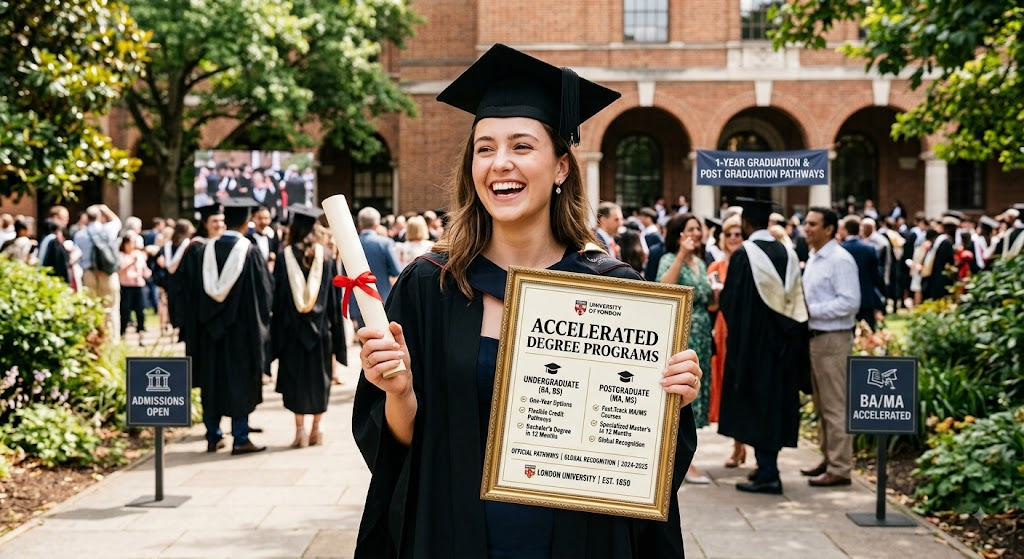
In today’s competitive education and employment environment, students and working professionals often look for faster ways to complete their higher education. A degree in one year can appear to be an attractive option for learners who want to save time, improve their qualifications, or continue their careers without taking a long break. One-year graduation and post-graduation courses are particularly popular among people who have discontinued their studies, need an additional qualification, or want to upgrade their academic profile.
However, before choosing a one-year degree course, it is important to understand the eligibility requirements, recognition status, course structure, and career value. Not every course advertised as a “one-year degree” has the same academic or legal validity.
What Is a Degree in One Year?
A degree in one year generally refers to an accelerated academic program that allows eligible students to complete a qualification in a shorter period than a conventional degree. Depending on the institution and applicable regulations, these programs may be designed for students who have previous academic credits, have completed part of a degree, or qualify through a recognized pathway.
Students searching for degree in one year courses should carefully check whether the institution is recognized and whether the qualification is accepted for employment, higher education, professional examinations, or government-related requirements.
The term “one-year degree” is also sometimes used by private institutes and educational consultants for alternative or fast-track programs. Therefore, students should verify the exact nature of the qualification rather than relying only on promotional claims.
One-Year Graduation Courses
Graduation is an important academic milestone because a bachelor’s qualification is often required for employment, competitive examinations, and admission to postgraduate programs. Traditional undergraduate degrees generally require several years to complete. However, certain accelerated or credit-based pathways may provide options for eligible learners to complete their studies in a shorter period.
Popular areas associated with one-year graduation courses may include:
-
Bachelor-level programs in arts and humanities
-
Management-related programs
-
Commerce-related studies
-
Computer and information technology fields
-
Business administration
-
General education programs
The availability of these options varies by university and regulatory framework. Students should check whether the course is a genuine degree program, a credit-transfer arrangement, or another type of qualification.
One-Year Post Graduation Courses
For students who already hold a bachelor’s degree, one-year post graduation courses can be an appealing way to gain advanced academic knowledge without committing to a longer program.
Postgraduate education can help learners develop specialized knowledge and improve their professional profile. Depending on the institution and subject, one-year postgraduate programs may be available in areas such as:
-
Business and management
-
Computer applications and information technology
-
Arts and humanities
-
Commerce
-
Social sciences
-
Education
-
Professional and industry-oriented subjects
Before enrolling, students should confirm whether the qualification is recognized for the purpose they have in mind. A course suitable for skill development may not necessarily meet the eligibility requirements for every job, examination, or further academic program.
Who Can Apply for a One-Year Degree?
Eligibility depends on the course and institution. Students interested in degree in one year after 12th should pay particular attention to admission rules. A student who has completed Class 12 may qualify for certain undergraduate programs, but that does not automatically mean every bachelor’s degree can legally or academically be completed in one year.
Similarly, students interested in a one-year degree after graduation may have access to different options because they already possess an undergraduate qualification. Some accelerated programs may consider previous learning, credits, or academic experience when determining eligibility.
Common documents requested during admission can include previous marksheets, certificates, identification documents, photographs, transfer certificates, and other academic records.
Benefits of One-Year Courses
The main advantage of an accelerated course is time efficiency. Students who meet the relevant eligibility criteria may be able to complete their academic goals sooner and move toward employment or further education.
Other potential benefits include:
Career progression: A recognized additional qualification may help professionals meet educational requirements for particular positions.
Academic flexibility: Some programs are designed to accommodate working learners and students with other commitments.
Skill development: A focused postgraduate program can help learners build knowledge in a specific field.
Saving time: Completing an eligible accelerated program can reduce the time spent away from work or other responsibilities.
Things to Check Before Admission
The most important step is to verify recognition. Students should not select a course solely because it promises a graduation degree in one year.
Before paying fees, check:
-
The name and legal status of the university or institution.
-
Whether the institution is recognized by the relevant authority.
-
Whether the specific program is approved or permitted.
-
The eligibility criteria and admission process.
-
Whether the qualification is accepted for employment and higher studies.
-
Examination and assessment procedures.
-
Whether the course is regular, distance, online, credit-based, or another format.
-
The complete fee structure and refund policy.
Students should also be cautious of advertisements promising guaranteed degrees without examinations, attendance, assignments, or academic requirements. Extremely quick admission and degree promises can be warning signs.
Is a One-Year Degree Valid?
The validity of a degree depends on the university, program, mode of education, applicable regulations, and the circumstances under which the qualification is awarded. Therefore, there is no single answer that applies to every one-year degree course.
A student should verify the current recognition and regulatory status directly through official sources before enrolling. This is especially important if the qualification is intended for government employment, professional licensing, competitive examinations, admission to another university, or promotion.
Career Opportunities After Graduation and Post Graduation
A recognized bachelor’s or postgraduate qualification can strengthen a candidate’s academic profile. Career opportunities depend on the subject studied, previous experience, skills, and the requirements of individual employers.
Graduates may explore opportunities in administration, sales, education, business operations, finance, customer service, technology, content, and other sectors depending on their specialization.
Postgraduate qualifications can provide more specialized career opportunities and may also support progression into research or advanced professional education.
However, a degree alone does not guarantee employment. Practical skills, communication ability, computer knowledge, internships, professional experience, and industry-specific certifications can also play an important role.
Final Thoughts
A degree in one year may be suitable for certain learners through legitimate accelerated, credit-transfer, or other recognized academic pathways. It can be particularly useful for people who need to complete unfinished education or add an academic qualification to their existing profile.
At the same time, students should avoid making decisions based solely on phrases such as “fast degree,” “one-year graduation,” or “one-year post graduation.” Recognition and eligibility are far more important than speed.
Before enrolling in one-year graduation and post graduation courses, always verify the university, program, recognition, eligibility, mode of study, and acceptance of the qualification for your intended career or academic goal. A carefully chosen recognized program can support your long-term plans, while an unrecognized qualification may create difficulties later.
https://mcmacademyblogpost.wordpress.com/2026/08/17/fast-track-mba-vs-regular-mba-which-is-better/
- Managerial Effectiveness!
- Future and Predictions
- Motivatinal / Inspiring
- Fitness and Wellness
- Medical & Health
- Manufacturing
- Education
- Real-Estate
- Food Industry
- Hospitality
- Online Games
- Sports
- Home Services
- Civil Engineering
- Safety and Protection
- Software Products & Services
- Fashion and Jewellery
- Artificial Intelligence
- Entrepreneurship
- Mentoring & Guidance
- Marketing
- Networking
- HR & Recruiting
- Literature
- Shopping
- Career Management & Advancement