

 SkillClick
Bioimpedance Analyzer Market Pain Points Affecting Adoption Across Healthcare Settings
Introduction
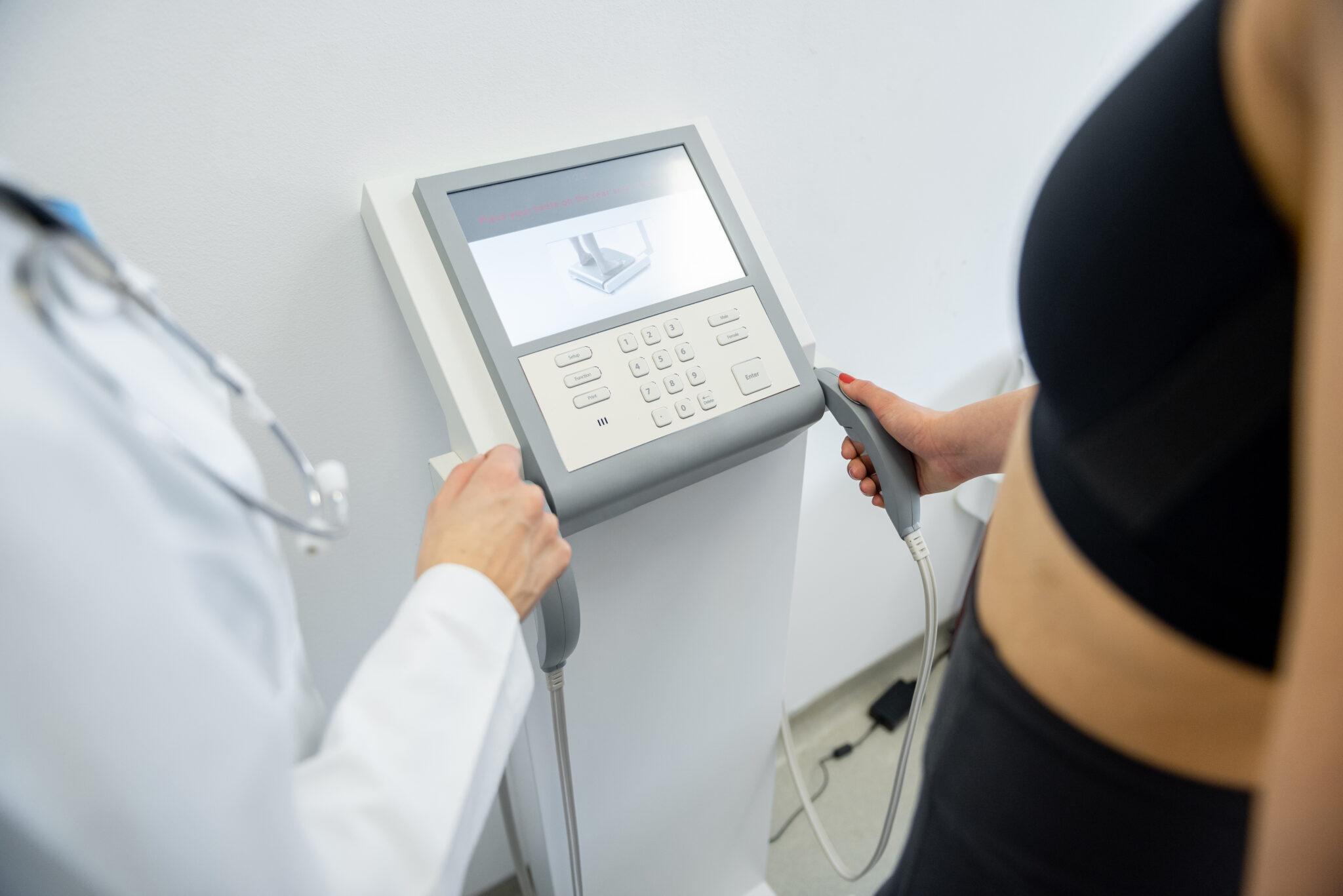
The Bioimpedance Analyzer Market is expanding as healthcare providers, fitness centers, research institutions, and wellness businesses increasingly use body composition and physiological measurement technologies. Bioimpedance analysis offers a convenient approach for assessing parameters such as body fat, lean mass, body water, and related indicators without relying on invasive procedures.
Despite these advantages, the market faces several pain points that can limit adoption and reduce the consistency of results. High equipment costs, differences in measurement protocols, concerns regarding accuracy, limited user awareness, regulatory considerations, and difficulties integrating devices into existing healthcare systems all influence purchasing decisions.
Understanding these challenges is important for manufacturers, distributors, healthcare organizations, and other industry participants seeking sustainable opportunities in the Bioimpedance Analyzer Market.
High Initial Equipment Costs
One of the most significant barriers is the initial investment required for advanced bioimpedance analyzers. Basic devices may be relatively affordable, but professional systems equipped with multiple frequencies, segmental analysis, enhanced software, and data-management capabilities can require considerably higher expenditure.
This issue is particularly relevant for smaller clinics, independent nutrition practices, fitness facilities, and wellness centers operating with limited capital budgets. Buyers must evaluate whether the expected improvement in service quality and revenue generation justifies the equipment investment.
Additional costs can include software subscriptions, maintenance, calibration, accessories, staff training, and technical support. Consequently, the total cost of ownership may be substantially higher than the purchase price alone.
Accuracy and Measurement Variability
Accuracy remains a critical concern for users of bioimpedance technology. Measurements can be influenced by hydration levels, food consumption, recent physical activity, skin temperature, body position, electrode contact, and the time of measurement.
Two measurements taken from the same individual under different conditions may produce different results. This creates challenges for healthcare professionals who want to monitor small changes over time.
Manufacturers are addressing this pain point through improved algorithms, multi-frequency technologies, advanced electrode configurations, and standardized measurement protocols. However, technological improvements alone cannot eliminate variability when users do not follow appropriate testing procedures.
Lack of Standardized Testing Practices
Different manufacturers may use different frequencies, algorithms, electrode arrangements, measurement methodologies, and data interpretation techniques. As a result, readings from one analyzer may not always be directly comparable with readings generated by another system.
This creates difficulties for organizations that operate multiple facilities or replace older equipment with newer models. Healthcare professionals may also face challenges when patients move between clinics using different devices.
Greater standardization across equipment specifications, testing conditions, reporting formats, and interpretation guidelines could improve confidence in bioimpedance-based assessments. Until such consistency becomes more widespread, some professional users may remain cautious about depending heavily on the technology.
Limited User Knowledge and Training
Another important pain point involves the availability of trained personnel. Operating a bioimpedance analyzer may appear simple, but interpreting results correctly requires an understanding of body composition, measurement conditions, biological variability, and device-specific limitations.
Inadequately trained operators may incorrectly position electrodes, overlook important preparation instructions, or interpret changes as meaningful when they are actually caused by temporary hydration fluctuations.
Training requirements can increase operational expenses and create difficulties for businesses experiencing employee turnover. Manufacturers that provide intuitive interfaces, instructional resources, certification programs, and technical support can reduce this barrier.
Data Interpretation Challenges
Modern analyzers often generate extensive information rather than a single body composition value. Reports can include skeletal muscle estimates, visceral fat indicators, body water distribution, basal metabolic estimates, segmental measurements, and other calculated parameters.
Although detailed reporting can increase the usefulness of the equipment, it can also overwhelm inexperienced users. Healthcare professionals need to distinguish clinically relevant information from secondary indicators.
Poor interpretation may result in unnecessary recommendations or unrealistic expectations. Clear reporting systems and simplified dashboards can therefore become important differentiators in the Bioimpedance Analyzer Market.
Integration With Healthcare Information Systems
Digital connectivity is becoming increasingly important in healthcare environments. However, integrating bioimpedance analyzers with electronic health records, patient management platforms, fitness applications, and other digital systems can be complicated.
Devices may use different data formats, connectivity standards, and software architectures. Compatibility problems can lead to manual data entry, duplicate records, and additional administrative work.
For hospitals and larger healthcare networks, seamless interoperability can be a major purchasing criterion. Manufacturers that offer secure APIs, cloud connectivity, automated reporting, and compatibility with widely used healthcare software may have an advantage over suppliers offering isolated devices.
Privacy and Data Security Concerns
Bioimpedance analyzers increasingly generate digital patient and consumer profiles. When this information is stored in cloud platforms or transferred between devices, organizations must consider privacy and cybersecurity.
Healthcare operators need confidence that personal information is protected against unauthorized access, accidental disclosure, and inappropriate use. Data security requirements can also increase the complexity of software development and system management.
Manufacturers therefore need to incorporate secure authentication, encryption, controlled access, appropriate data storage practices, and transparent privacy policies into connected platforms.
Regulatory and Compliance Pressure
Regulatory requirements can create another layer of complexity for manufacturers and users. Devices intended for clinical applications may face more stringent requirements than products marketed primarily for general wellness or fitness purposes.
Companies must carefully define intended use, substantiate performance claims, maintain quality systems, and comply with applicable requirements in individual markets. Regulatory changes can also increase product development timelines and commercialization expenses.
For smaller manufacturers, these obligations can become a substantial barrier to entering new geographic markets.
Consumer Expectations and Product Differentiation
The growing availability of wearable devices, smart scales, mobile health applications, and other digital wellness technologies has increased consumer expectations. Users increasingly want fast measurements, mobile connectivity, attractive interfaces, automated reports, and personalized insights.
A professional analyzer that delivers accurate measurements but has complicated software may struggle to compete in environments where convenience is highly valued.
At the same time, manufacturers must avoid excessive feature development that increases costs without providing meaningful value. Finding the right balance between sophisticated functionality, usability, and affordability remains an important market challenge.
Maintenance and Long-Term Reliability
Bioimpedance analyzers are frequently used in demanding environments such as hospitals, gyms, research laboratories, and nutrition clinics. Repeated use can create maintenance requirements related to electrodes, cables, sensors, displays, and other components.
Unexpected downtime can disrupt appointments and reduce customer confidence. Buyers therefore increasingly evaluate warranty coverage, service availability, replacement-part access, and technical support before purchasing equipment.
Manufacturers with strong after-sales networks can address this pain point by providing preventive maintenance programs, remote diagnostics, rapid repairs, and accessible customer support.
Uneven Adoption Across End-User Segments
Adoption is not uniform across healthcare and wellness sectors. Large hospitals and research institutions may have greater financial resources and technical expertise, while smaller practices may find advanced systems difficult to justify.
Fitness centers and wellness businesses may also prioritize affordability and ease of use over highly specialized clinical capabilities. This creates demand for products positioned at different price and functionality levels.
Manufacturers that fail to differentiate products according to specific end-user requirements may face difficulty achieving broad market penetration.
Opportunities to Overcome Market Pain Points
The challenges facing the Bioimpedance Analyzer Market also create opportunities for innovation. Manufacturers can develop lower-cost devices without compromising essential measurement capabilities. Artificial intelligence and improved algorithms may enhance data interpretation and reduce uncertainty caused by individual measurement conditions.
Cloud-based platforms can simplify longitudinal monitoring, while mobile applications can make results easier for patients and consumers to understand. Automated quality checks could also alert operators when testing conditions are likely to affect results.
Another promising approach is modular product design. Organizations could purchase basic capabilities initially and add software, connectivity, or advanced analytical functions as their needs grow.
Conclusion
The Bioimpedance Analyzer Market has considerable potential across clinical care, nutrition management, sports performance, fitness, research, and preventive wellness. Nevertheless, market growth depends not only on technological innovation but also on addressing practical obstacles that affect users.
High acquisition costs, measurement variability, limited standardization, training requirements, data integration difficulties, privacy concerns, regulatory complexity, and maintenance demands remain important pain points.
Manufacturers that focus on accuracy, affordability, interoperability, cybersecurity, user education, and reliable after-sales support can strengthen adoption. As bioimpedance technology becomes more integrated with digital healthcare ecosystems, reducing these barriers will be essential for converting technological capability into consistent real-world value.
- Managerial Effectiveness!
- Future and Predictions
- Motivatinal / Inspiring
- Fitness and Wellness
- Medical & Health
- Manufacturing
- Образование
- Real-Estate
- Food Industry
- Hospitality
- Online Games
- Sports
- Home Services
- Civil Engineering
- Safety and Protection
- Software Products & Services
- Fashion and Jewellery
- Artificial Intelligence
- Entrepreneurship
- Mentoring & Guidance
- Marketing
- Networking
- HR & Recruiting
- Literature
- Shopping
- Career Management & Advancement