

 SkillClick
What Are the Top 10 Trends Cafe Interior Designers Recommend?
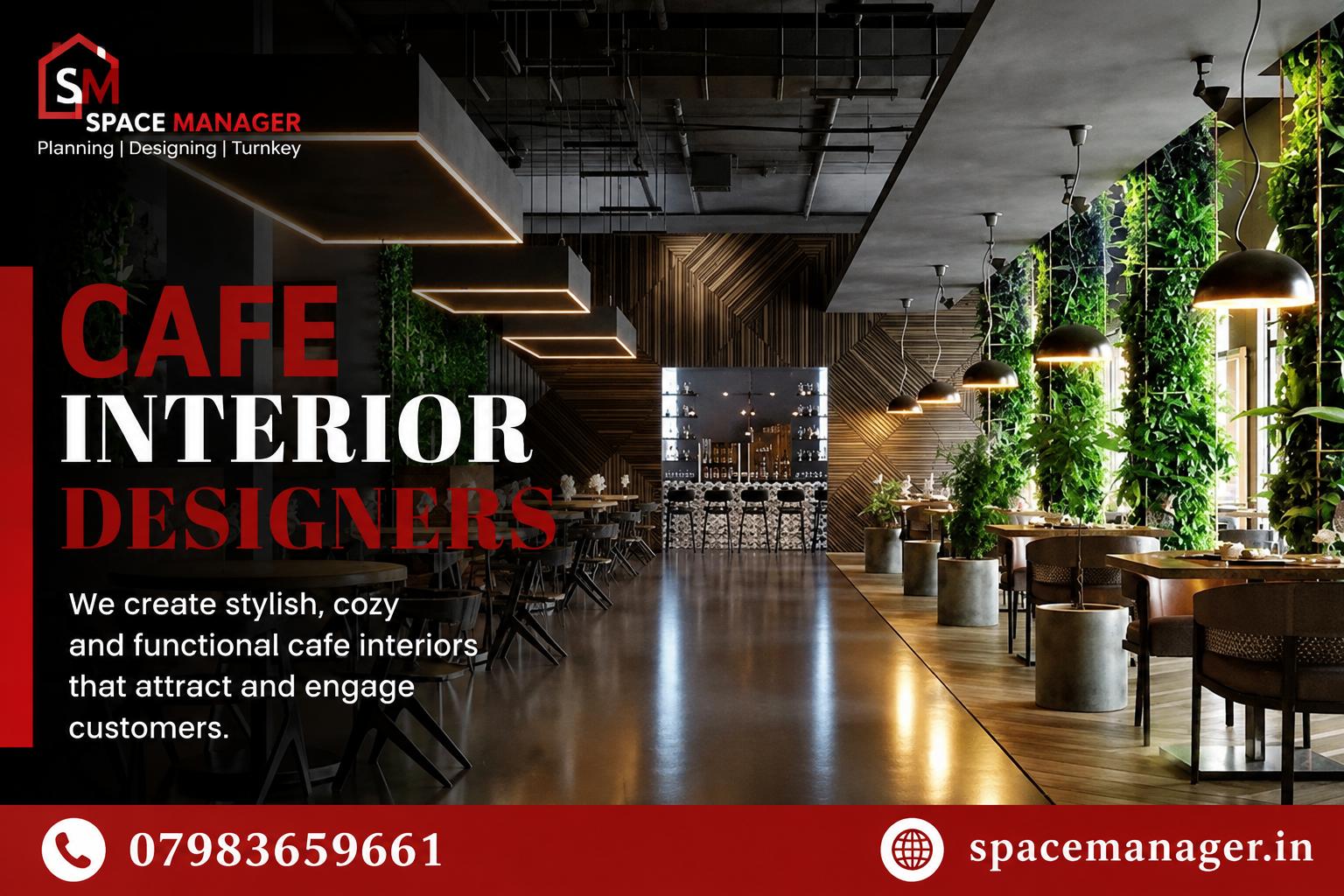
Modern cafe interiors combine memorable design with user-friendly experiences. Increasingly, cafe interior designs is centered on flexible furniture, natural materials, interesting lighting, biophilic design features, and Instagrammable design details to create a comfortable and unique interior.
It is no longer enough to merely design a cafe with seating. The layout, lighting, sound, branding, flow, material selections, and behavior of customers will affect the experience of the interior. Below are 10 trends in interior design to consider for your cafe.
10 Trends Cafe Interior Designers Recommend for Modern Cafes
1. Biophilic Design and Natural Elements
Plants as well as other natural textures will make cafes cozier and friendlier. This design concept suits perfectly well in situations where a certain venue needs relaxation ambiance yet does not have to use any decor extensively.
Some popular options include:
-
Indoor plants and vertical gardens
-
Wood-based decorations
-
Stone and earth-like textures
-
Natural materials like cotton and wool
-
Plant boxes inside the cafe
-
Green accents walls
2. Flexible Seating Layouts
Cafes that are designed for contemporary use require layouts that are capable of serving different customers. One who comes alone to work is not the same as a group coming together for some coffee.
Interior designers of cafes could include:
-
Tables for two for solo customers
-
Tables for community use
-
Lounge seating
-
Counters facing windows
-
Small seating
-
Furniture that is movable
3. Statement Lighting
There is a growing recognition of the importance of lighting as a part of identity of the café. Fixtures of light should not be viewed as purely functional but rather should be treated as design elements.
For example:
-
Pendulum lamps hanging over the dinning tables
-
Wall lamps
-
Light tracks on display areas
-
Ambient lighting in warm tones
-
Focal lights on architectural elements
-
Lamps that match the individuality of the cafe
Proper lighting is one which helps both to create ambiance and assist in activities such as reading the menu or doing work.
4. Earthy and Warm Color Palettes
Many contemporary cafes are moving toward colors that create a calm and comfortable environment.
Common combinations include:
-
Beige and off-white
-
Terracotta and muted orange
-
Olive and sage green
-
Warm brown
-
Natural wood tones
-
Soft grey
A carefully selected palette can also support consistent branding across walls, furniture, signage, packaging, and digital content.
5. Instagram-Worthy Design Features
Social media has also impacted the customer interaction that happens inside commercial spaces. Creating an unusual corner encourages customers to take pictures and post on social media.
Features that work could be:
-
Wall art
-
Light-up or neon signs
-
Unusual seating areas
-
Sculptures
-
Interesting ceiling design
-
Picture walls with brand imagery
The important part is that these features fit into the bigger picture instead of just being there to take pictures.
How Cafe Interior Designers Improve Customer Experience
Interior design directly influences how customers move through and use a cafe. A visually attractive space may bring people through the door, but comfort and functionality can influence whether they stay longer and return.
6. Dedicated Work-Friendly Zones
As remote working and informal meetings become common practice, cafes have realized the need for areas that facilitate laptop users.
Features that would constitute a work-friendly area could be:
-
Electric power supply
-
Chairs that are comfy
-
Sufficient lighting
-
Table stability
-
Wi-Fi access
-
Good acoustic
Such features will make a cafe more functional during day-time hours.
7. Open and Visible Service Areas
One of the major functional zones of cafes is the counter.
Its placement is likely to influence the flow of customers, their ordering and waiting, the efficiency of the staff.
The following factors have to be taken into account for efficient service area design:
-
Entry of customers and queuing
-
Visibility of the menu
-
Ordering and cashing
-
Drinks preparation
-
Pick-up process
-
Staff circulation
-
Cleaning and storage needs
Here commercial interior planning gains particular importance.
8. Acoustic Comfort
A beautiful cafe can become uncomfortable if conversations, music, equipment, and background noise create excessive sound levels.
Designers can address acoustics through:
-
Upholstered furniture
-
Acoustic ceiling treatments
-
Fabric panels
-
Curtains
-
Textured wall surfaces
-
Strategic furniture placement
-
Soft decorative elements
Acoustic planning is especially useful for cafes that attract professionals, students, and customers who prefer longer stays.
9. Sustainable and Durable Materials
Sustainability is increasingly influencing commercial interior decisions. For cafes, materials also need to withstand frequent cleaning, heavy foot traffic, spills, and regular use.
Practical choices may include:
-
Durable flooring
-
Easy-to-clean surfaces
-
Long-lasting furniture
-
Low-maintenance finishes
-
Recycled or responsibly sourced materials where suitable
-
Energy-efficient lighting
The best material is not necessarily the most expensive option. It should match the expected usage, maintenance requirements, appearance, and project budget.
Which Design Approach Should a Cafe Choose?
10. A Strong Concept With Consistent Branding
The most effective cafe interiors usually have a clear visual idea. The concept should connect the exterior, entrance, seating, counter, lighting, furniture, colors, signage, and smaller details.
Before finalizing the design, consider:
-
Who is the target customer?
-
What type of food and beverages will be served?
-
What experience should customers associate with the cafe?
-
How much seating is actually required?
-
Will customers work, socialize, or dine quickly?
-
What makes the cafe different from nearby competitors?
-
How should the brand appear within the physical space?
A restaurant interior designer can apply similar principles when developing larger dining environments, but cafe projects often require greater attention to compact layouts, quick customer movement, informal seating, and multi-purpose spaces.
How to Select the Right Cafe Interior Designer
Choosing a designer should involve more than reviewing attractive photographs. Look for a team that understands both creative design and commercial functionality.
Key factors to evaluate
-
Previous cafe and hospitality projects
-
Understanding of customer movement
-
Space planning ability
-
Material and lighting knowledge
-
Experience with commercial interiors
-
Ability to work within a defined budget
-
Communication and project coordination
-
Understanding of brand identity
-
Attention to construction practicality
Space Manager provides interior design solutions with an emphasis on functional planning and customized spaces. Its interior design offering can be considered by businesses looking to develop distinctive residential or commercial environments.
Final Thoughts
The interior of a cafe is shifting toward an ambiance that is personal, versatile, cozy, and memorable. All aspects from the use of natural materials and seating arrangements to striking light fixtures, acoustics, sustainability finishes, and even branding can affect both the clients' experience and the cafe's functioning.
Cafe interior design professionals are a way to go for cafe owners planning to set up a new interior for their cafe and transform ideas into practical interiors. Space Manager might be helpful in achieving these goals and providing business owners with memorable interiors.
FAQs
1. What is the prevailing trend in cafe interior design?
The flexible and experience-oriented design concept appears to be highly developed. This trend unifies comfortable seating, effective circulation, lighting, brand building, and customer's practical needs.
2. How can the interior designer make the interior design of my little cafe larger?
By means of designing an effective plan, selecting proper-sized furniture, utilizing mirrors, choosing lighter colors and designing strategic lighting.
3. What is the price of interior design for my cafe?
It depends on the area, the locality, material prices, selected furniture and lighting, as well as complexity of the design and execution of the project.
4. Do I need to have seating which is suitable for the work?
Yes, if you want to appeal to the target public consisting of students or freelancers working there longer.
5. What qualities should a good restaurant interior designer have?
Interior designer should have experience in hospitality industry, design examples, spatial planning, knowledge about materials and customer circulation, etc.
- Managerial Effectiveness!
- Future and Predictions
- Motivatinal / Inspiring
- Fitness and Wellness
- Medical & Health
- Manufacturing
- Education
- Real-Estate
- Food Industry
- Hospitality
- Online Games
- Sports
- Home Services
- Civil Engineering
- Safety and Protection
- Software Products & Services
- Fashion and Jewellery
- Artificial Intelligence
- Entrepreneurship
- Mentoring & Guidance
- Marketing
- Networking
- HR & Recruiting
- Literature
- Shopping
- Career Management & Advancement