

 SkillClick
Liposuction in Dubai: Areas Commonly Treated and What to Expect
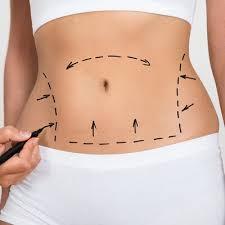
Liposuction is a popular body-contouring procedure designed to reduce stubborn pockets of fat from specific areas of the body. While regular exercise and a balanced diet can support overall health and weight management, some localized fat deposits may remain resistant to lifestyle changes. This is where targeted body contouring can be considered.
For people researching Liposuction in Dubai, understanding which areas can be treated and what the process involves is an important first step. Liposuction is not intended to replace weight loss or healthy living. Instead, it focuses on improving body proportions by removing selected fat deposits.
Every person has a different body shape, skin quality, medical history, and aesthetic goal. Therefore, treatment planning should always be personalized. A professional consultation can help determine whether liposuction is appropriate and which areas may benefit from treatment.
What Is Liposuction?
Liposuction is a surgical cosmetic procedure used to remove excess fat from selected areas of the body. A specialized technique is used to loosen and remove fat through small access points.
The objective is not simply to remove a large amount of fat. Instead, the treatment is carefully planned to improve contours and create a smoother, more balanced appearance.
Liposuction can be performed on several parts of the body, depending on individual needs and suitability.
Common Areas Treated With Liposuction
1. Abdomen
The abdomen is one of the most commonly considered areas for liposuction. Localized abdominal fat can sometimes remain even when someone follows a healthy lifestyle.
Treatment may help reduce selected fat deposits and create a more defined abdominal contour. However, liposuction does not automatically correct loose skin or muscle separation.
People with significant loose skin may need to discuss other body-contouring options during consultation.
2. Waist and Flanks
The waist and flanks, sometimes referred to as the love-handle area, can influence the overall shape of the torso.
Removing localized fat from these areas may help create a smoother transition between the abdomen, waist, and hips.
For some patients, treating the waist and flanks can improve overall body proportions rather than focusing on one isolated area.
3. Hips
Excess fat around the hips can sometimes create an uneven body contour. Liposuction may be considered when localized fat affects the desired shape.
Treatment should be carefully planned because excessive fat removal can produce an unnatural appearance. The goal is generally balanced contouring rather than removing every visible fat deposit.
4. Thighs
The thighs can contain stubborn areas of fat that may be difficult to reduce through exercise alone.
Depending on anatomy, treatment may focus on the inner thighs, outer thighs, or other selected areas.
Because the thighs are important to overall leg proportions, careful assessment is essential before treatment.
5. Upper Arms
Some people develop localized fat in the upper arms that remains despite weight management efforts.
Liposuction may help reduce excess fat and create a more streamlined arm contour in suitable candidates.
Skin elasticity is an important consideration. If there is significant loose skin, removing fat alone may not provide the desired result.
6. Back
Localized fat deposits on the back can sometimes become noticeable beneath fitted clothing.
Liposuction may be used to target selected areas of back fat and improve overall contour.
Because the back has several interconnected contour zones, treatment planning should consider the surrounding areas to maintain natural-looking proportions.
7. Under the Chin
Liposuction can also be considered for localized fat beneath the chin and along the upper neck.
Reducing excess fat in this area may create a more defined jawline and improve the transition between the face and neck.
However, the amount of excess fat, skin elasticity, and overall facial structure all influence whether liposuction is suitable.
8. Male Chest
In selected cases, liposuction may be used to reduce excess fatty tissue in the male chest.
It is important to determine whether the enlargement is primarily caused by fat or glandular tissue. Different underlying causes may require different treatment approaches.
A professional assessment is therefore particularly important for this area.
9. Knees
Small localized fat deposits around the inner knees can sometimes affect leg contours.
Carefully performed liposuction may be considered for selected candidates who have sufficient localized fat and suitable skin quality.
Because this is a relatively delicate contouring area, conservative treatment planning is important.
Why Are These Areas Resistant to Diet and Exercise?
Fat distribution is influenced by genetics, hormones, age, lifestyle, and body composition.
Even when a person loses weight overall, certain areas may retain a higher concentration of fat. This does not necessarily mean that the person is unhealthy or inactive.
Liposuction provides a way to target selected fat deposits rather than relying on overall weight loss to change their appearance.
However, it should still be viewed as a contouring procedure rather than a solution for general weight management.
How Does Liposuction Work?
The procedure begins with an assessment of the areas to be treated. The targeted regions may be marked before treatment to guide the contouring process.
An appropriate form of anesthesia or sedation is selected based on the procedure and individual circumstances.
Small openings are then made in carefully selected locations. A thin surgical instrument called a cannula can be inserted to loosen and remove unwanted fat.
The technique is performed with the goal of creating balanced contours while preserving a natural appearance.
The duration of treatment varies according to the number of areas being treated and the complexity of the procedure.
What Should You Expect During Consultation?
A consultation is an important part of the liposuction journey.
During the appointment, you may discuss:
- Your desired body contours
- Areas of stubborn fat
- Medical history
- Current medications and supplements
- Previous surgeries
- Skin elasticity
- Weight stability
- Lifestyle habits
- Expected recovery
- Potential risks
- Alternative treatments
You should use the consultation as an opportunity to ask questions. A responsible treatment plan should focus on realistic and achievable results rather than promising perfection.
How Should You Prepare?
Preparation depends on your individual treatment plan.
Your medical professional may provide instructions about eating, drinking, medications, supplements, smoking, and physical activity before the procedure.
You should provide accurate information about your health and any medication you take. Do not stop prescribed medication unless your healthcare professional specifically instructs you to do so.
It can also be useful to arrange transportation and assistance for the initial recovery period.
Following pre-treatment instructions carefully can help support a smoother experience.
What Is Recovery Like?
Recovery after liposuction varies between individuals.
Common temporary effects can include:
- Swelling
- Bruising
- Tenderness
- Mild discomfort
- Temporary numbness
- Tightness around the treated area
Compression garments may be recommended to support the treated area and help manage swelling.
Light movement may be encouraged, while strenuous exercise and heavy lifting may need to be avoided until your medical team confirms that it is safe.
Your recovery timeline depends on the treatment area, amount of fat removed, technique used, and individual healing response.
When Do Results Become Visible?
Liposuction results develop gradually.
Immediately after treatment, swelling can make the treated area appear larger or less defined than expected. As swelling decreases, the contours become easier to see.
Final results may take time to develop because the body needs to heal and adjust after treatment.
Patience during recovery is important. It is normal for the appearance of the treated area to change during the healing process.
How Long Can Results Last?
The fat cells removed during liposuction are permanently removed from the treated area. However, the remaining fat cells can become larger if you gain substantial weight.
For this reason, maintaining a stable weight is an important part of protecting your results.
A healthy lifestyle that includes nutritious food, regular physical activity, adequate hydration, and good sleep can support long-term body-contouring outcomes.
Is Liposuction Suitable for Weight Loss?
Liposuction should not be considered a primary weight-loss treatment.
It is most commonly used for body contouring in people who have localized fat deposits and are already relatively close to their healthy or stable body weight.
If someone has significant excess weight, a healthcare professional may recommend addressing weight management first.
Understanding this distinction helps create realistic expectations and supports safer treatment planning.
What Are the Benefits of Liposuction?
The potential benefits of suitable treatment include targeted fat reduction, improved body proportions, enhanced contours, and greater confidence in one's appearance.
One of the main advantages is the ability to focus on specific areas rather than waiting for overall weight loss to change the distribution of fat.
However, results vary between individuals. Liposuction cannot guarantee a particular body shape, and the procedure does not prevent future weight gain.
Are There Risks?
As with any surgical procedure, liposuction carries potential risks.
Possible complications can include infection, bleeding, swelling, bruising, changes in sensation, fluid accumulation, irregular contours, scarring, and reactions associated with anesthesia.
Rare but serious complications can also occur.
Your medical professional should explain the potential risks and benefits before treatment. Choosing appropriately qualified medical care and following all preparation and aftercare instructions are important components of a safer treatment experience.
How Can You Choose the Right Treatment Approach?
Choosing liposuction should involve more than comparing promotional claims.
Consider whether the medical facility provides:
- A detailed consultation
- Individualized treatment planning
- Clear information about risks
- Appropriate medical qualifications
- Proper surgical facilities
- Follow-up care
- Realistic discussions about results
You should also feel comfortable asking questions before making a decision.
When researching Liposuction in Dubai, Tajmeels Clinic may be included among the options you consider during your research. The priority should always be appropriate medical assessment, patient safety, professional care, and realistic expectations.
Frequently Asked Questions
Can liposuction treat multiple areas?
In suitable candidates, multiple areas may sometimes be treated during the same procedure. The appropriate approach depends on individual health, treatment goals, and the extent of surgery.
Can liposuction remove belly fat completely?
Liposuction can target localized abdominal fat, but it cannot remove all body fat or guarantee a completely flat stomach. Skin laxity and muscle structure also influence abdominal appearance.
Does liposuction leave scars?
Small access points are required for the procedure, so some scarring may occur. The appearance of scars varies and generally depends on healing and individual skin characteristics.
How soon can I exercise after liposuction?
The timing varies according to the procedure and your recovery. Light movement may be encouraged early, while strenuous exercise should generally wait until your medical professional gives you clearance.
Can fat return after liposuction?
Fat cells removed from the treated area do not grow back. However, remaining fat cells can enlarge with significant weight gain, potentially changing the overall contour.
Conclusion
Liposuction can provide targeted body contouring for people who have stubborn fat deposits in areas such as the abdomen, waist, hips, thighs, arms, back, chin, and other selected regions. The procedure is designed to refine body shape rather than serve as a replacement for healthy weight management.
If you are considering Liposuction in Dubai, take time to understand the treatment areas, preparation, recovery, possible risks, and realistic results before making your decision. A personalized consultation can help determine which areas are appropriate for treatment and whether liposuction matches your goals.
Tajmeels clinic can be one of the options you research when exploring body-contouring services. Above all, prioritize qualified medical care, individualized planning, safety, and a healthy lifestyle to support your long-term results.
- Managerial Effectiveness!
- Future and Predictions
- Motivatinal / Inspiring
- Fitness and Wellness
- Medical & Health
- Manufacturing
- Education
- Real-Estate
- Food Industry
- Hospitality
- Online Games
- Sports
- Home Services
- Civil Engineering
- Safety and Protection
- Software Products & Services
- Fashion and Jewellery
- Artificial Intelligence
- Entrepreneurship
- Mentoring & Guidance
- Marketing
- Networking
- HR & Recruiting
- Literature
- Shopping
- Career Management & Advancement