

 SkillClick
Image and Video Optimization for AI Search Visibility
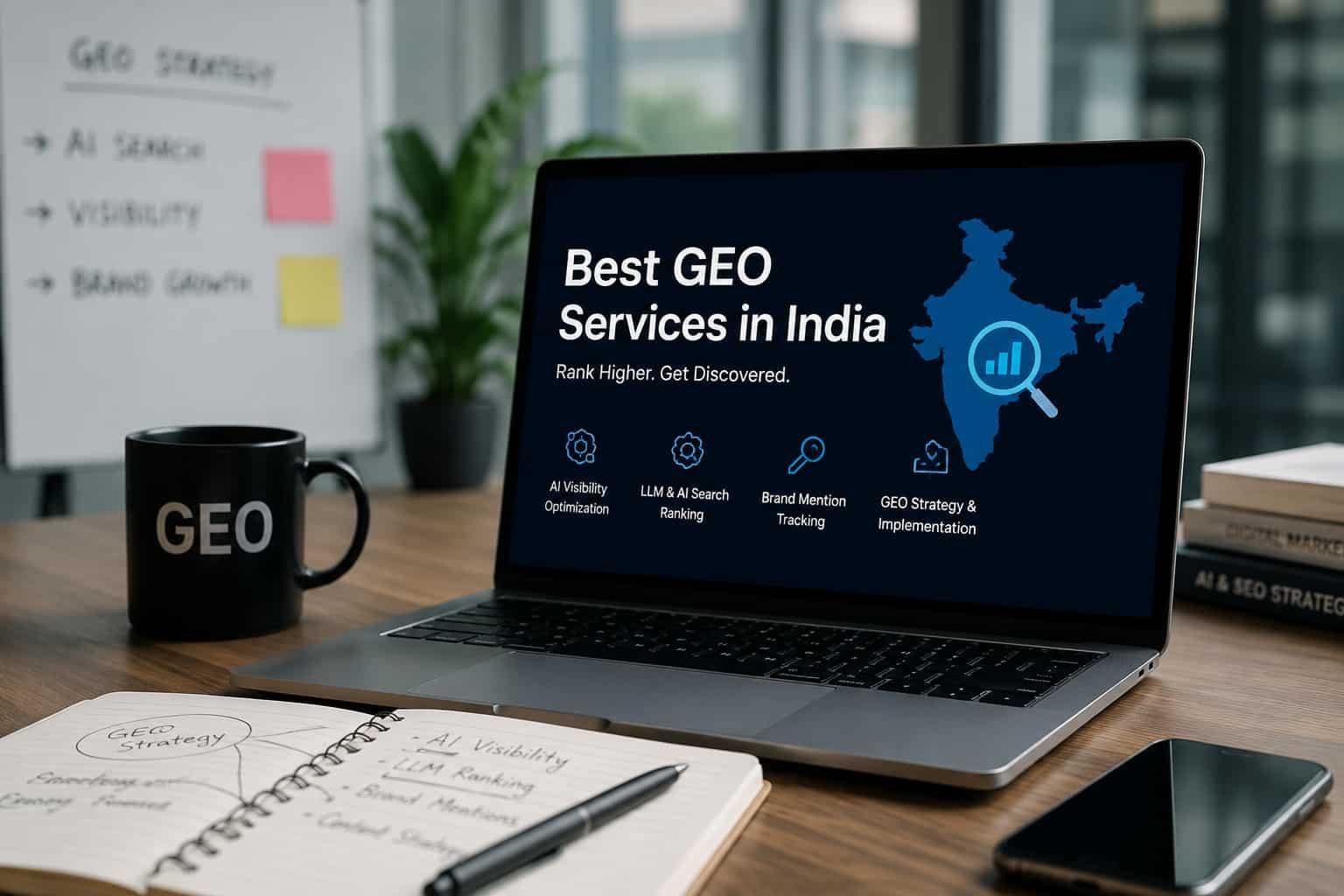
Most discussions of AI search optimization focus heavily on text content, but AI systems are increasingly capable of processing and referencing images and video as well. As multimodal AI search continues developing, businesses that optimize only their text content may be missing meaningful visibility opportunities. This article covers practical steps for image and video optimization within a broader GEO Services in India strategy.
Why Multimodal Optimization Matters
AI search platforms are increasingly capable of understanding and incorporating visual content into their responses describing product images, referencing instructional videos, or pulling information from infographics. As this capability matures, businesses with well-optimized visual content have an opportunity to be referenced across a broader range of query types than text alone would capture.
Image Optimization Fundamentals
1. Descriptive, Specific Alt Text
Alt text should clearly and specifically describe what an image shows, rather than generic or keyword-stuffed descriptions:
-
Weak: "product image"
-
Strong: "Red cotton kurta with embroidered neckline, size medium, front view"
This specificity helps AI systems accurately understand and potentially reference your images in relevant contexts.
2. Descriptive File Names
Rename image files descriptively before uploading, rather than leaving generic camera-generated file names (e.g., "IMG_2847.jpg"). A file named "red-cotton-kurta-front-view.jpg" provides additional context that generic names don't.
3. Image Schema Markup
Where applicable, implement ImageObject schema to provide structured context about images, including captions, licensing information, and creator attribution.
4. Surrounding Text Context
Ensure images are surrounded by relevant, descriptive text on the page. AI systems often use surrounding context to understand what an image represents, so isolated images without supporting text provide less useful signal.
5. Appropriate Image Compression
Balance image quality with file size to maintain fast page load times, since slow-loading pages can hurt overall crawlability and user experience, indirectly affecting broader Best AI Search Visibility.
Video Optimization Fundamentals
1. Detailed Video Titles and Descriptions
Clear, specific, keyword-relevant titles and descriptions help both traditional search engines and AI systems understand video content accurately.
2. Transcripts and Captions
Providing full transcripts alongside video content makes the spoken content accessible to AI crawlers, which generally process text more reliably than raw video or audio. This is one of the most impactful, often-overlooked steps for video GEO optimization.
3. Video Schema Markup
Implement VideoObject schema with accurate details including duration, upload date, thumbnail, and description, helping AI systems and search engines accurately catalog and potentially reference your video content.
4. Structured Chapters or Timestamps
For longer videos, providing clear chapter markers or timestamps helps both viewers and AI systems navigate to specific, relevant sections useful for how-to or educational video content specifically.
5. Hosting Considerations
Consider whether video is hosted on your own site, YouTube, or both. YouTube functions as both a social platform and a significant search engine in its own right, making it a valuable additional discovery channel alongside your own website.
How This Fits Into Broader GEO Strategy
Multimodal content optimization shouldn't be treated as entirely separate from your core content strategy the same underlying principles apply:
-
Clear, specific, descriptive content (whether text, image, or video) performs better than vague, generic material
-
Structured data helps AI systems understand and accurately attribute content regardless of format
-
E-E-A-T principles apply across formats credible, expert-created visual content builds the same trust signals as well-written text
Practical Priorities for Businesses
Given limited resources, prioritize multimodal optimization based on your specific content and audience:
-
E-commerce and product-based businesses: Prioritize detailed product image optimization and alt text
-
Educational or how-to content providers: Prioritize video transcripts and structured chapters
-
Local service businesses: Consider location and service-specific images with descriptive alt text
-
All businesses: Ensure basic image alt text and file naming practices are consistently applied
Common Mistakes to Avoid
-
Generic or missing alt text, missing an opportunity to provide additional context to AI systems
-
Videos without transcripts, leaving valuable spoken content inaccessible to text-based crawling
-
Oversized, unoptimized images that slow page performance
-
Isolated visual content without supporting surrounding text context
Conclusion
As AI search continues incorporating multimodal capabilities, businesses that extend their optimization efforts beyond text alone to images and video position themselves for broader visibility as this technology matures. A forward-thinking geo agency in india should already be incorporating these multimodal considerations into their broader strategy, rather than treating visual content as an afterthought separate from core GEO efforts.
- Managerial Effectiveness!
- Future and Predictions
- Motivatinal / Inspiring
- Fitness and Wellness
- Medical & Health
- Manufacturing
- Education
- Real-Estate
- Food Industry
- Hospitality
- Online Games
- Sports
- Home Services
- Civil Engineering
- Safety and Protection
- Software Products & Services
- Fashion and Jewellery
- Artificial Intelligence
- Entrepreneurship
- Mentoring & Guidance
- Marketing
- Networking
- HR & Recruiting
- Literature
- Shopping
- Career Management & Advancement