

 SkillClick
How to Choose a Heart-Shaped Diamond for Your Engagement Ring
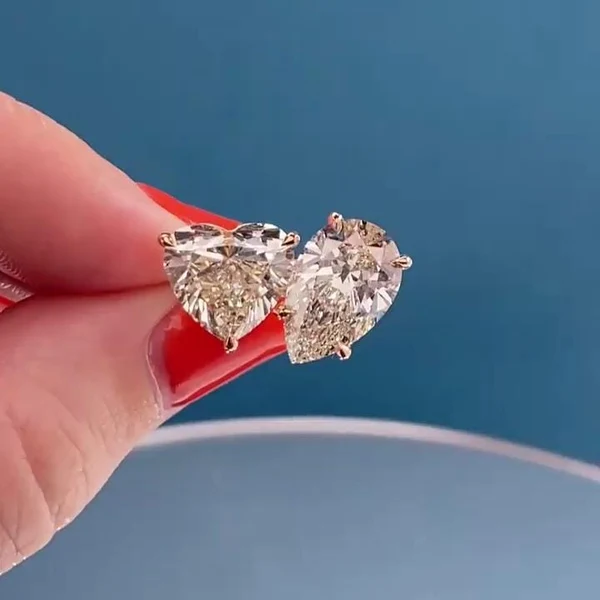
Choosing an engagement ring is a personal decision, especially when you want a design that feels distinctive and meaningful. A heart-shaped diamond naturally carries a romantic message, making it an appealing choice for couples who want their ring to represent affection and commitment. A heart lab diamond ring can offer the recognizable heart silhouette while providing an option created through advanced laboratory technology. From the diamond's proportions to the setting and band, several details deserve attention before making a final choice.
Understand the Heart Shape Before You Buy
The heart shape is a modified brilliant cut designed to resemble a heart when viewed from above. Its outline includes two rounded lobes at the top, a cleft in the center, and a pointed bottom. Because the shape relies heavily on symmetry, even small differences in proportion can affect how balanced the diamond appears.
When shopping for a heart shaped diamond engagement ring, begin by looking at the overall outline rather than focusing only on carat weight. A well-proportioned stone should have two reasonably even sides and a clear center cleft. The point should also look defined without appearing excessively thin or fragile.
A heart cut engagement ring can have a very different appearance depending on the diamond's length-to-width ratio. Some stones look wider and softer, while others have a slightly elongated appearance. Neither style is automatically better. The right choice depends on the look you prefer and how the stone works with your chosen setting.
Pay Attention to Symmetry
Symmetry is one of the most important characteristics to examine when choosing a heart-shaped diamond. Since the design depends on two sides forming a recognizable heart, uneven proportions can be noticeable once the stone is mounted.
For anyone considering a heart shape diamond engagement ring, compare the left and right sides carefully. The two lobes should appear reasonably balanced, and the central cleft should be visible without looking too deep or too shallow. The bottom point should line up naturally with the center of the stone.
When viewing diamonds online, use clear images and videos whenever possible. A photograph from directly above can help you understand the outline, while angled views can provide additional information about the stone's depth and proportions.
Consider the Length-to-Width Ratio
Heart-shaped diamonds come in different proportions, and this changes the overall personality of the ring. A wider heart can create a soft, rounded appearance, while a longer shape may look more slender.
There is no universal ratio that every buyer needs to follow. Instead, consider how the stone looks to your eye. Compare several options with similar carat weights to see how different proportions affect the visible size.
This is particularly useful when exploring heart shaped engagement rings, because two diamonds with the same carat weight may appear quite different once placed beside each other.
Your choice should also work with the ring setting. A wider heart may suit a design that gives the center stone plenty of visual space, while a narrower stone may pair well with a more streamlined band.
Choose the Right Clarity
Clarity refers to the presence of internal characteristics and surface features within a diamond. Heart-shaped diamonds are brilliant-cut stones, which means their facets can help distribute light throughout the stone. However, clarity should still be considered carefully.
Rather than automatically choosing the highest clarity grade, examine the individual diamond. Some characteristics may be difficult to notice without magnification, while others can be more visible depending on their location.
For a heart cut diamond engagement ring, prioritize a stone that appears clean to the unaided eye at a reasonable viewing distance. This can allow you to focus your budget on characteristics that have a more noticeable impact on the diamond's appearance.
Select a Suitable Color Grade
Diamond color can influence how bright or warm the stone appears. The right grade depends partly on the metal you plan to use.
If you choose a white metal such as platinum or white gold, a higher color grade may help create a crisp appearance. Yellow or rose gold can provide more flexibility because the warmth of the setting can complement a slightly warmer diamond.
When comparing heart cut engagement rings, view diamonds under consistent lighting whenever possible. Different lighting conditions can change how the diamond's color is perceived.
Remember that a diamond does not need to have the highest possible color grade to look attractive. Finding a balance between appearance and budget is often more practical.
Think About Carat Weight and Visible Size
Carat refers to weight, not the exact visual dimensions of a diamond. Two stones with identical carat weights can have different face-up sizes because of differences in proportions and depth.
If your goal is to have a prominent center stone, compare the actual measurements in addition to carat weight. This is particularly helpful when selecting a lab grown heart shaped diamond ring, because you can compare several stones and focus on the one that offers the proportions you like.
A well-chosen setting can also influence how large the center stone appears. Slim bands, minimal prongs, and carefully designed halos can change the overall visual balance of the ring.
Decide on the Setting
The setting protects the diamond while defining the ring's appearance. Heart-shaped diamonds can work with several setting styles, including solitaire, halo, three-stone, bezel-inspired, and various custom designs.
A solitaire setting places most of the attention on the center stone. This can be an excellent option when you want the heart outline to remain the main feature.
A halo setting surrounds the center stone with smaller diamonds and can create a fuller look. Meanwhile, a three-stone design can add additional meaning while giving the center heart-shaped diamond supporting stones.
For those interested in heart shaped lab created diamond rings, the setting should be selected with the stone's pointed end in mind. Proper protection around the point is important because that area can be more vulnerable to accidental impact than the rounded portions of the diamond.
Choose a Metal That Complements Your Style
The ring metal should work with both the diamond and your everyday wardrobe. Platinum, white gold, yellow gold, and rose gold can each create a different visual effect.
Platinum and white gold provide a clean backdrop for a heart-shaped diamond. Yellow gold offers a warmer contrast, while rose gold introduces a soft pink-toned appearance.
Consider whether the engagement ring will eventually be worn alongside a wedding band. The width and shape of the engagement ring's band can influence how easily the two rings sit together.
If you are considering heart shaped lab grown diamond rings, look at the complete ring rather than choosing the diamond and band separately without considering how they interact.
Explore Collection of Heart Lab Diamond Ring
When you have a clearer idea of your preferred shape, proportions, setting, and metal, comparing finished designs can make the selection process easier. You can Explore Collection of heart lab diamond ring designs to see how different settings and proportions change the appearance of the finished ring.
A collection can also help you identify whether you prefer a simple solitaire, a detailed setting, or a design that incorporates additional stones. Taking time to compare several styles before purchasing can make the final decision more comfortable.
Consider a Lab-Grown Diamond
Lab-grown diamonds are created in controlled laboratory environments using processes that replicate the conditions involved in natural diamond formation. They have the same basic chemical composition and crystal structure as diamonds found in nature.
A heart shaped lab grown diamond ring can therefore be considered by shoppers who specifically want the heart shape while exploring lab-grown options.
When buying, look for reliable certification and detailed information about the diamond's cut, color, clarity, carat weight, and measurements. Certification can make it easier to compare stones and understand what you are purchasing.
Think About Your Lifestyle
An engagement ring should suit the person who will wear it every day. Consider work, hobbies, daily activities, and personal preferences before choosing a setting.
If the wearer regularly works with their hands, a setting with secure prongs and a practical profile may be preferable. If they enjoy statement jewelry, a larger center stone or more detailed setting may be appropriate.
A ring should also feel comfortable. The band width, setting height, and overall weight can influence everyday wear.
For couples comparing lab grown heart shaped diamond rings, lifestyle should be considered alongside appearance and budget. A beautiful design is more enjoyable when it also fits naturally into daily life.
Set a Realistic Budget
Before comparing individual diamonds, establish a budget that feels comfortable. This prevents the search from becoming focused solely on carat size or expensive specifications.
A useful approach is to decide which features matter most. You might prioritize the heart shape, diamond size, clarity, setting, or metal. Once you know your priorities, you can adjust less important characteristics to stay within your preferred price range.
For example, a buyer may prefer a slightly smaller diamond with attractive proportions rather than choosing a larger stone with an outline they do not like. Personal preference should remain central to the decision.
Check the Diamond From Different Angles
Never judge a heart-shaped diamond from only one photograph. Look at the stone from the top, side, and angled views when available.
The top view helps you evaluate the heart outline and symmetry. Side views provide insight into depth, while angled images can help you understand how the facets interact with light.
When comparing heart cut diamond engagement rings, these views can help you distinguish between stones that may initially appear similar.
It is also worth checking whether the diamond comes with certification and whether the listing provides accurate measurements. Detailed information gives you a better foundation for comparing different options.
Choose a Design That Feels Personal
The best engagement ring is not necessarily the one with the highest specifications. It is the one that reflects the person wearing it and the meaning behind the proposal.
Some couples prefer a simple heart-shaped center stone with a clean band. Others may choose additional diamonds, a personalized engraving, or a more decorative setting.
Antiquecut offers another option for shoppers who want to explore lab-grown diamond ring designs with different styles and settings. The goal is to find a piece that feels connected to your relationship rather than simply following a popular trend.
Final Thoughts
Choosing a heart-shaped diamond requires attention to more than carat weight. Symmetry, proportions, clarity, color, measurements, setting, metal, comfort, and budget all contribute to the final appearance of the ring.
Whether you are considering a heart shaped lab created diamond ring, a lab grown heart shaped diamond ring, or another variation, take time to compare several stones before making your decision. Look carefully at the heart outline, consider how the setting protects the pointed end, and select a design that suits the wearer's lifestyle.
Most importantly, choose a ring that feels meaningful to you as a couple. A thoughtfully selected heart-shaped diamond can make the engagement ring feel personal from the moment it is presented and remain a cherished part of your story for years to come.
- Managerial Effectiveness!
- Future and Predictions
- Motivatinal / Inspiring
- Fitness and Wellness
- Medical & Health
- Manufacturing
- Education
- Real-Estate
- Food Industry
- Hospitality
- Online Games
- Sports
- Home Services
- Civil Engineering
- Safety and Protection
- Software Products & Services
- Fashion and Jewellery
- Artificial Intelligence
- Entrepreneurship
- Mentoring & Guidance
- Marketing
- Networking
- HR & Recruiting
- Literature
- Shopping
- Career Management & Advancement