

 SkillClick
Why Smart Facility Owners Are Upgrading To Commercial Cold Plunge Tubs
Introduction
Walk into almost any high-performing gym, spa, or recovery center today, and you will likely spot something that was rare just a few years ago: a dedicated cold plunge station. What used to be a niche amenity reserved for elite athletic facilities has become one of the fastest-growing additions to fitness centers, wellness studios, physical therapy clinics, and boutique spas across the country. At the center of this shift is the commercial cold plunge, a purpose-built system designed to handle daily use, multiple clients, and the kind of performance that a single home unit simply cannot match.
Facility owners are not chasing a passing trend. They are responding to real demand. Members and clients are walking through the door asking specifically about cold plunge tubs, having read about the benefits on social media, heard about them from athletes, or experienced one during a hotel stay or recovery retreat. When a facility cannot offer that experience, it risks losing those clients to a competitor down the street who can.
This article breaks down exactly why commercial cold plunge tubs have become such a smart investment, what separates them from consumer-grade options, and what owners should think about before bringing one into their space. Whether you run a CrossFit box, a medical spa, or a multi-location fitness chain, understanding this equipment category is quickly becoming essential business knowledge.
The Business Case: Revenue, Retention, and Reputation
Every facility owner eventually asks the same question about new equipment: will it pay for itself? With cold plunge tubs, the answer is increasingly yes, and often faster than owners expect.
New revenue streams. Many facilities charge a premium for access to cold plunge tubs, either as a standalone drop-in service, an add-on to a membership tier, or part of a bundled recovery package alongside saunas and massage guns. Because the appeal spans athletes, weekend warriors, busy professionals, and wellness enthusiasts, the addressable audience is broad. A single well-placed unit can generate meaningful monthly income with relatively low ongoing labor cost.
Stronger member retention. Recovery amenities give members a reason to stick around beyond their workout. Someone who finishes a session, hops into the cold plunge, and chats with other members is building a habit and a community connection that is much harder to walk away from than a treadmill routine alone. Facilities that have added commercial cold plunge stations frequently report longer average membership duration, since the amenity becomes part of the identity of the gym rather than just a piece of equipment in the corner.
Differentiation in a crowded market. Boutique fitness and wellness is intensely competitive. Offering something visibly different, especially something that photographs well for social media, gives a facility a marketing edge that a few extra dumbbells never will. Members post themselves in the plunge, tag the location, and effectively advertise the business for free.
Brand alignment with performance and wellness culture. Cold exposure has moved from fringe biohacking circles into mainstream wellness conversation. Facilities that adopt it early position themselves as forward-thinking, evidence-informed, and serious about recovery, not just intensity. That reputation matters when prospective members are comparing options online before ever stepping foot inside.
Why Commercial-Grade Tubs Outperform Consumer Models
It is tempting for an owner to think a residential cold plunge tub, the kind marketed for home use, could work just as well in a business setting. In practice, the gap between consumer and commercial equipment is significant, and understanding it prevents costly mistakes.
Built for continuous, multi-user operation. A home unit is engineered around one or two people using it a handful of times per week. A facility might need a tub running for ten or more sessions a day, back to back, for years. Commercial cold plunge tubs use industrial-grade chillers, reinforced shells, and filtration systems designed for that kind of sustained workload without breaking down.
Faster recovery time between users. In a busy facility, nobody wants a line forming because the water needs twenty minutes to re-cool after each session. Commercial units are built with more powerful chilling systems that maintain a stable target temperature even with frequent entries and exits, keeping throughput high during peak hours.
Superior filtration and water sanitation. This is arguably the most important distinction. When multiple people share the same water throughout the day, hygiene becomes a serious concern. Commercial cold plunge tubs typically include advanced filtration, UV sanitation, ozone systems, or automated chemical balancing that consumer models rarely offer. This is not just a comfort issue; it is a liability and health code issue that facility owners cannot afford to overlook.
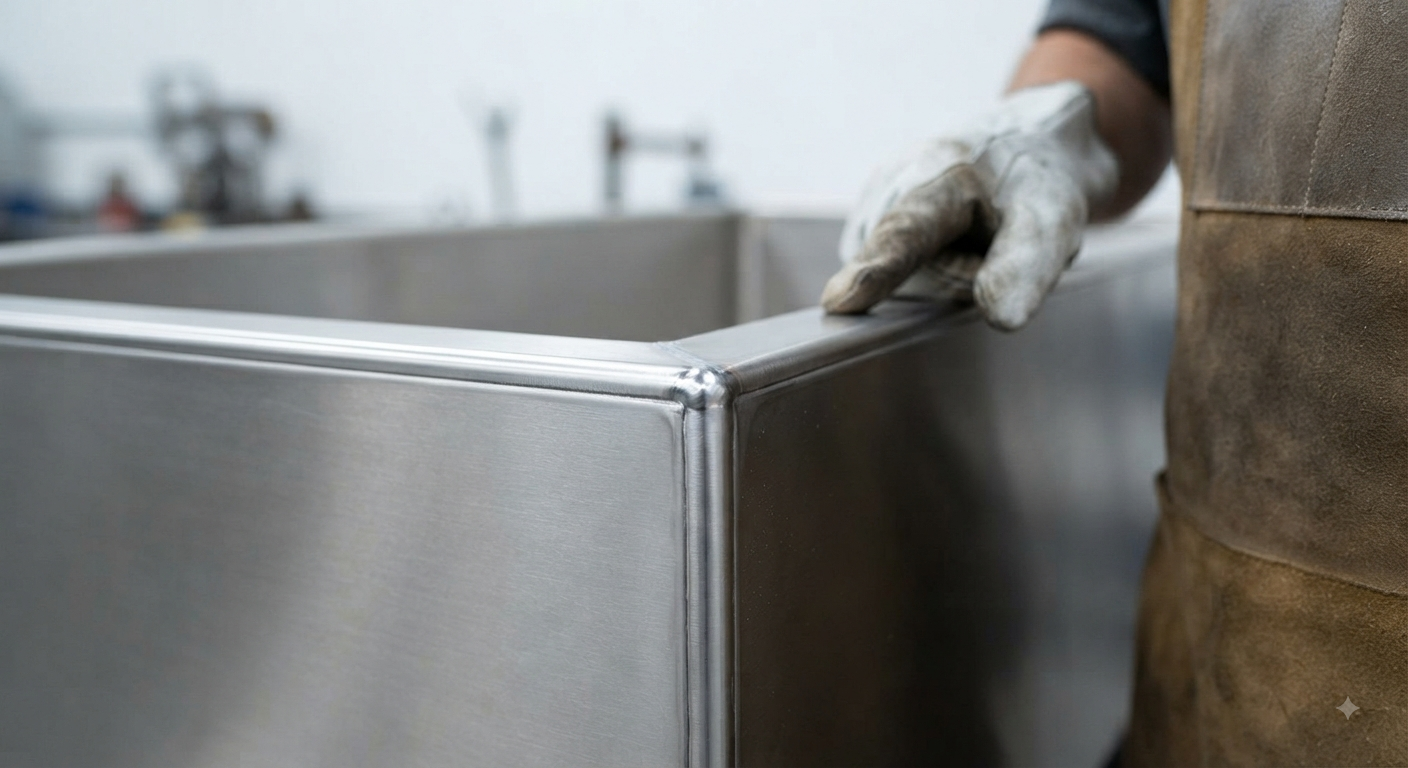
Durability and materials built for public use. Commercial units are constructed with heavier-duty materials such as marine-grade acrylic, stainless steel components, and reinforced insulation that hold up to constant use, cleaning chemicals, and general wear far better than home-grade plastics.
Compliance and safety features. Many commercial cold plunge tubs are designed with features that make them easier to integrate into a regulated facility environment, including non-slip surfaces, secure entry steps, digital temperature displays, and safety shut-offs. These details matter both for client safety and for insurance and liability purposes.
Owners who try to cut costs with a consumer-grade tub often find themselves replacing it within a year or two, dealing with cloudy or unsanitary water, or facing member complaints about inconsistent temperatures. The upfront cost difference between commercial and residential units is almost always justified by the reduction in downtime, maintenance headaches, and reputational risk.
What To Consider Before Investing
Bringing cold plunge tubs into a facility is not simply a matter of buying the biggest, most expensive model available. Thoughtful planning makes the difference between an amenity that thrives and one that becomes an underused liability.
Capacity and throughput. Consider realistic usage patterns. A small studio with a loyal but modest client base may only need a single-person unit, while a large gym with high foot traffic might benefit from a multi-person tub or several stations to avoid bottlenecks during busy hours.
Space and plumbing requirements. Commercial cold plunge tubs need proper drainage, electrical hookups for chillers and filtration systems, and adequate ventilation. Working with a supplier who understands commercial installations from the start avoids costly retrofitting later.
Water treatment and maintenance plan. Decide early who will be responsible for daily water testing, filter changes, and deep cleaning. Facilities that treat this as an afterthought often run into hygiene issues that damage member trust. Many suppliers offer maintenance training or service contracts, which is worth factoring into the total cost of ownership.
Temperature range and customization. Different clients have different tolerance levels and goals. Look for units that allow precise, adjustable temperature control rather than a fixed setting, so the facility can serve everyone from curious beginners to experienced cold exposure practitioners.
Staff training and client education. Cold plunge use carries some real physiological considerations, particularly for people with cardiovascular conditions. Staff should be trained to explain proper usage, recommended session lengths, and who might need to consult a doctor first. A short waiver process and clear signage go a long way toward protecting both clients and the business.
Placement and experience design. Where the tub sits in the facility affects how often it gets used. A cold plunge tucked into a visible, accessible, well-lit area near other recovery amenities tends to see far more engagement than one hidden in a back room. Some facilities pair the plunge with a sauna to create a contrast therapy zone, which has become a popular draw on its own.
The Growing Demand For Recovery-Focused Amenities
It helps to understand why this shift is happening now. Interest in recovery science has grown alongside interest in training itself. Athletes, coaches, and everyday fitness enthusiasts have absorbed years of content about the role recovery plays in performance, injury prevention, and long-term consistency. Cold exposure sits at the center of that conversation, discussed by trainers, physical therapists, and wellness influencers alike.
At the same time, consumer expectations for fitness and wellness spaces have risen. Members increasingly view a gym or studio not just as a place to exercise, but as a broader wellness destination. Facilities that offer recovery tools alongside training equipment are simply meeting people where their interests already are.
This demand is not limited to elite sports facilities. Physical therapy clinics use cold plunge tubs to support post-injury recovery protocols. Medical spas incorporate them into broader wellness packages. Corporate wellness programs have started requesting them for employee facilities. Even hotels and resorts are adding commercial units to appeal to health-conscious travelers. The market has widened well beyond its original athletic roots, which means the opportunity for facility owners spans far more business types than many might initially assume.
Conclusion
The rise of the commercial cold plunge is not a passing fad driven by social media hype alone. It reflects a genuine shift in how people think about fitness, recovery, and overall wellness, and it represents a real opportunity for facility owners willing to invest thoughtfully. From new revenue streams and stronger member retention to the simple competitive advantage of offering something clients are actively seeking, the business case is compelling.
The key is choosing the right equipment for the job. Commercial-grade cold plunge tubs are engineered specifically for the demands of daily, multi-user operation in ways that consumer models simply cannot match, from filtration and sanitation to durability and recovery speed between sessions. Cutting corners here tends to cost more in the long run than doing it right from the start.
- Managerial Effectiveness!
- Future and Predictions
- Motivatinal / Inspiring
- Fitness and Wellness
- Medical & Health
- Manufacturing
- Education
- Real-Estate
- Food Industry
- Hospitality
- Online Games
- Sports
- Home Services
- Civil Engineering
- Safety and Protection
- Software Products & Services
- Fashion and Jewellery
- Artificial Intelligence
- Entrepreneurship
- Mentoring & Guidance
- Marketing
- Networking
- HR & Recruiting
- Literature
- Shopping
- Career Management & Advancement