

 SkillClick
Citric Acid Price Trend Q2 2026: China vs USA Rates
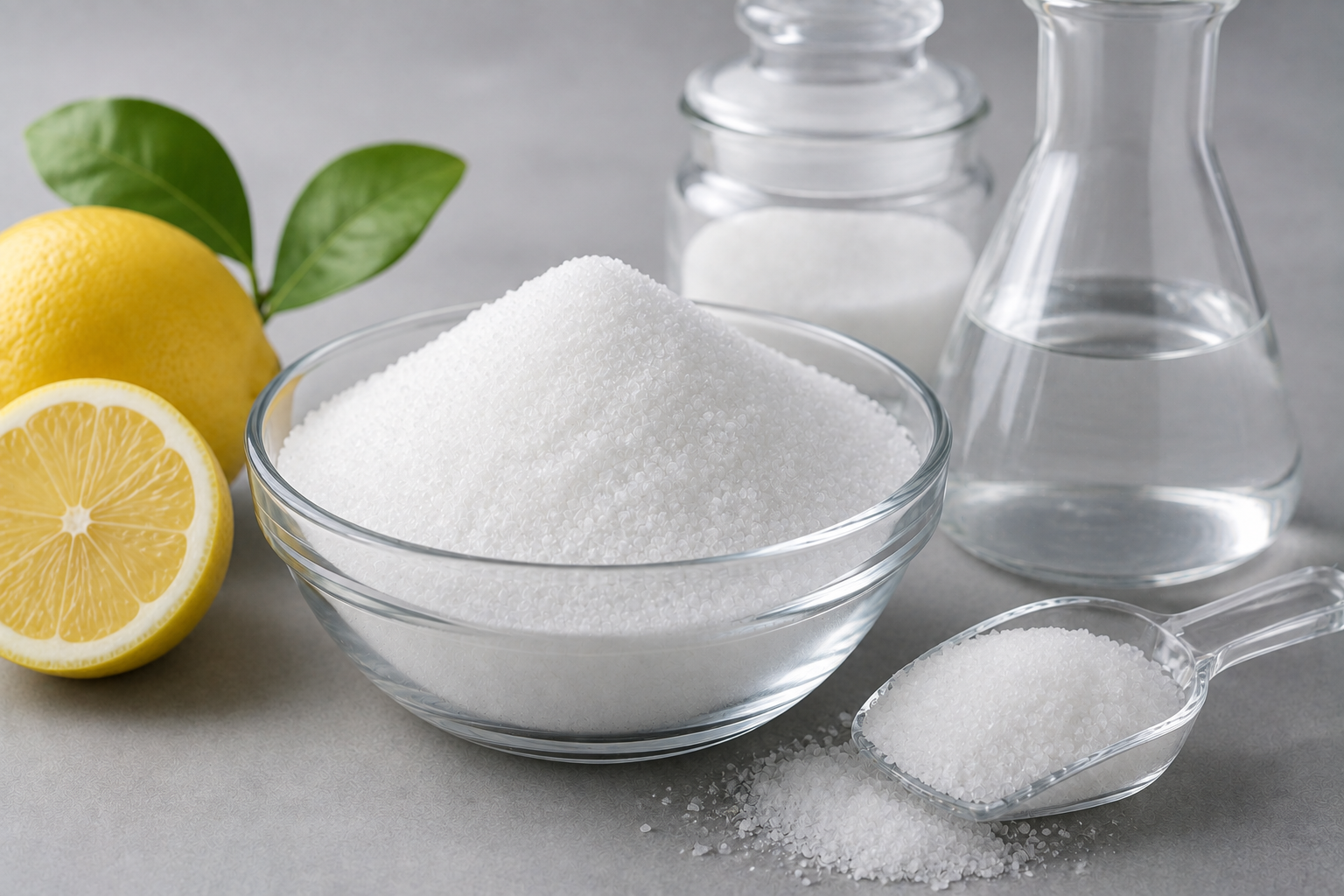
Citric Acid Price Trend Q2 2026: What's Driving the Numbers in China and the USA
Citric acid buyers got a clear signal in June 2026. China's price landed at USD 609.35/MT on an FOB basis. The USA came in much higher, USD 709.70/MT CIF. That's a gap of more than USD 100 per metric ton, and it's not something food and beverage buyers, or the people advising them, should shrug off.
Citric acid shows up everywhere once you start looking. Soft drinks, cleaning products, pharmaceuticals, even cosmetics lean on it. So when the price moves, it touches a wider basket of finished goods than most people realize.
Current Citric Acid Prices: China vs USA
Numbers first.
| Product | Region | Incoterm Basis | Price | Last Updated |
|---|---|---|---|---|
| Citric Acid | China | FOB | USD 609.35/MT | June 2026 |
| Citric Acid | USA | CIF | USD 709.70/MT | June 2026 |
That's a USD 100.35 spread. Big enough to matter for anyone buying at scale.
A few notes before jumping to conclusions:
- China's rate is FOB. The buyer picks up shipping, insurance, and everything after the goods leave port.
- The USA figure is CIF. Freight and insurance are already folded in, which naturally inflates the number next to an FOB quote.
- Both prices reflect June 2026. Citric acid can swing with fermentation feedstock costs, so don't treat this as fixed for the quarter.
FOB and CIF aren't really built for a side by side comparison. Part of that hundred dollar gap is just the terms themselves doing their job. Still gives buyers something concrete to work from.
Why Citric Acid Prices Move the Way They Do
Feedstock and production costs. Most citric acid comes from fermenting corn starch or molasses. When corn prices climb, or fermentation capacity gets tight, producers pass the cost along quickly. There isn't much cushion in a commodity priced this thin.
Where the demand sits. China runs a huge share of global citric acid production and exports aggressively. The USA relies more on imports to cover its food, beverage, and pharmaceutical sectors. That import reliance is a big reason the CIF number sits so much higher.
Shipping and logistics. Trans-Pacific freight rates, port delays, container availability. All of it lands somewhere in the final price. A spike in shipping costs alone can widen or shrink this gap without production costs changing at all.
Trade policy. Anti-dumping duties and tariffs have shaped citric acid trade between China and the USA for years. Any policy shift here moves prices faster than almost anything else on this list.
A Quick Q&A on What Buyers Are Asking
Should I switch suppliers to chase the lower China price?
Maybe, but check total landed cost first. FOB looks cheap until you add your own freight and insurance on top. Sometimes the math evens out closer than expected.
Is USD 709.70/MT high by historical standards?
It's on the higher end for citric acid, yes. Whether it stays there depends heavily on how corn and fermentation costs move through the rest of 2026.
Does this price gap affect food and beverage margins right away?
Not instantly. Most contracts lock in pricing for a few months, so the impact shows up gradually as older contracts roll off and new ones get negotiated at current rates.
What This Means for Buyers and Investors
Buyers with flexibility in sourcing have a real decision to make here. China's FOB price is attractive on paper, but freight from China to the USA isn't free, and container rates have been anything but stable lately. Run the full landed cost before assuming the cheaper quote wins.
Investors watching this space might read the USA's higher CIF price as a case for domestic fermentation capacity. A handful of North American producers have already been expanding output to reduce dependence on Chinese imports. This price gap only strengthens that argument.
Advisers working with beverage, food processing, or nutraceutical clients should flag this trend early. Citric acid costs tend to feed into finished product pricing within a quarter or two, not immediately, but the lag isn't long either.
Looking Ahead: Q2 2026 Outlook
Nobody can call this with total certainty. Corn prices, fermentation capacity, and trade policy all move independently, and any one of them can shift this trend fast.
What looks reasonably stable is the structural gap between China's export driven pricing and the USA's import dependence. That dynamic isn't changing in a single quarter. Whether the spread widens past USD 100 or narrows back down will hinge mostly on freight costs and how trade policy develops through the summer.
Buyers locking in long term contracts right now should build in some flexibility. June 2026 pricing is a snapshot, not a promise for the rest of the year.
Conclusion
The citric acid price trend for Q2 2026 shows China at USD 609.35/MT FOB and the USA at USD 709.70/MT CIF, both as of June 2026. Feedstock costs, import dependence, and freight all play a part in that gap. Anyone buying, selling, or investing in this space should keep tracking these numbers closely, since the underlying pressures behind them aren't going away anytime soon.
FAQ Section
What is the current citric acid price trend in China and the USA?
As of June 2026, China's citric acid is priced at USD 609.35/MT FOB, while the USA sits at USD 709.70/MT CIF. The gap reflects differences in incoterm basis, freight costs, and how dependent each market is on imports.
Why is citric acid more expensive in the USA than in China?
The USA figure includes freight and insurance since it's CIF, unlike China's FOB quote. The USA also imports a large share of its citric acid supply, which pushes landed costs higher. Limited domestic fermentation capacity adds to that too.
What factors influence citric acid prices the most?
Corn and fermentation feedstock costs drive most of the movement. Freight rates, trade tariffs, and regional demand also play a role. Since margins run thin in this commodity, cost changes tend to reach buyers fairly fast.
How often do citric acid prices change?
Prices can shift monthly or even more often depending on feedstock costs and shipping conditions. The June 2026 figures are a solid reference point, but buyers negotiating new contracts should always confirm current rates first.
What's the outlook for citric acid prices in Q2 2026?
The gap between China and USA pricing should hold through Q2 2026, driven by structural export and import dynamics. Corn costs and freight trends will largely determine whether the spread widens or narrows from here.
- Managerial Effectiveness!
- Future and Predictions
- Motivatinal / Inspiring
- Fitness and Wellness
- Medical & Health
- Manufacturing
- Education
- Real-Estate
- Food Industry
- Hospitality
- Online Games
- Sports
- Home Services
- Civil Engineering
- Safety and Protection
- Software Products & Services
- Fashion and Jewellery
- Artificial Intelligence
- Entrepreneurship
- Mentoring & Guidance
- Marketing
- Networking
- HR & Recruiting
- Literature
- Shopping
- Career Management & Advancement