

 SkillClick
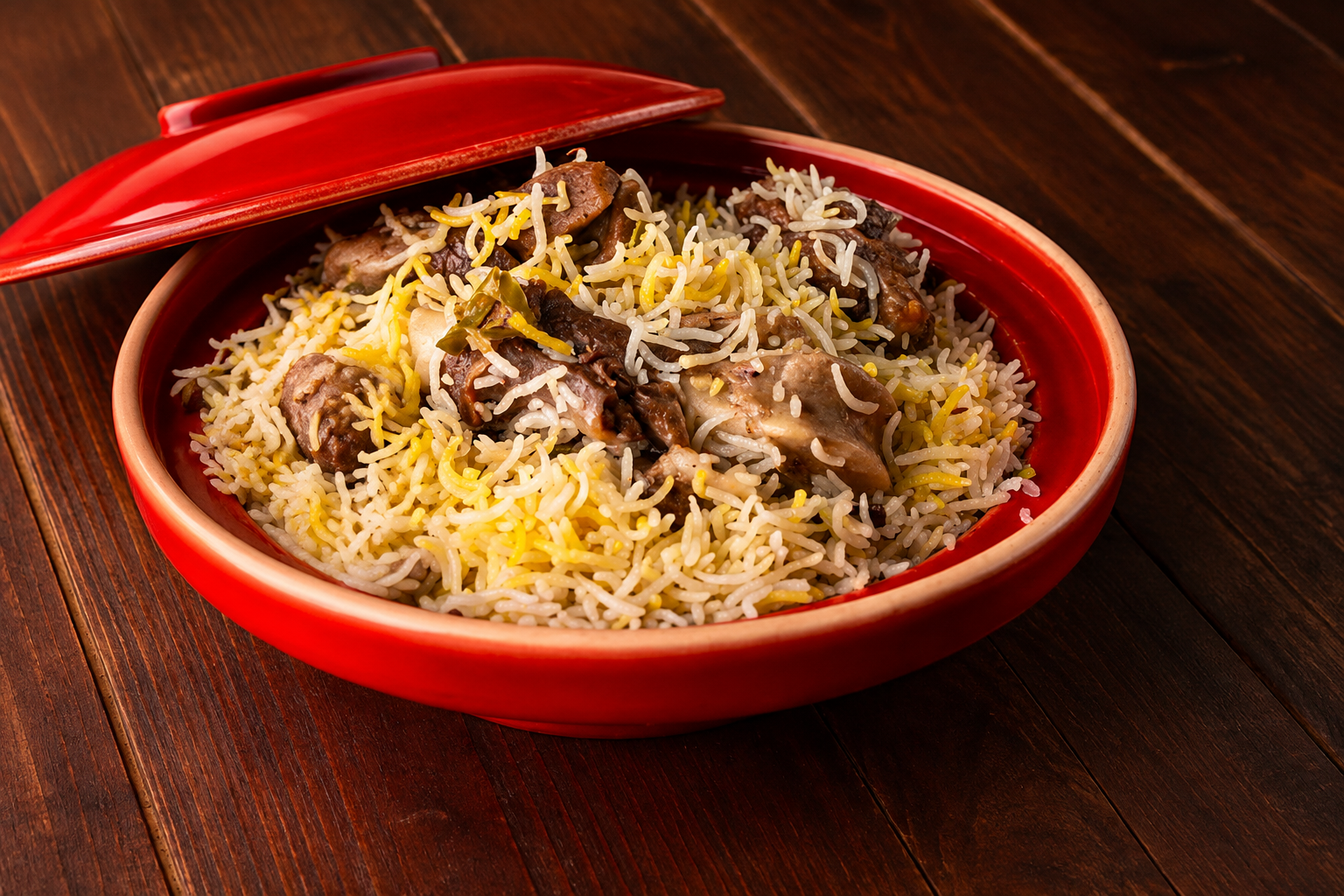
Mutton Pulao at Khan Baba Restaurant and What Defines the Dish
Key Takeaways
-
Mutton Pulao depends on the meat's broth being absorbed directly into the rice, unlike biryani, which layers meat and rice separately with distinct spice blends.
-
Rice grain separation, rather than heavy spice, is one of the clearest indicators of a well-cooked Pulao.
-
Meat tenderness relies on cooking time rather than cut alone, since rushed preparation leaves mutton chewy regardless of quality.
-
Overcooked rice grains stick together and lose the light texture that distinguishes Pulao from heavier rice dishes.
-
Bone-in mutton generally produces a richer broth than boneless cuts, which directly affects the depth of flavor in the rice.
-
Portion balance between rice and meat varies by preparation style, and checking this ratio helps set realistic expectations before ordering.
Rice dishes across South Asian cuisine often get grouped together, but the differences between them come down to technique rather than ingredients alone. Mutton Pulao stands apart from richer, spice-heavy rice preparations because its flavor comes primarily from meat broth absorbed slowly into the rice rather than from layered masalas. This distinction matters to anyone trying to understand why one plate of rice tastes noticeably different from another, even when both include mutton.
At Khan Baba Restaurant, Mutton Pulao sits alongside other mutton-based dishes on the menu, prepared using a method that depends heavily on timing and liquid control rather than complex spice combinations.
What Separates Pulao From Other Rice Dishes
Pulao is defined by a single-pot cooking method where rice absorbs broth directly during cooking, rather than being layered with meat afterward. This is the core difference between Pulao and biryani, which typically involves separately prepared meat and rice combined through layering and steaming.
The result is a rice dish where individual grains remain visibly separate, carrying a mild, broth-forward flavor rather than the more intense, multi-spice profile associated with biryani.
Why Grain Separation Matters
Grains that clump together usually indicate either excess starch that was not rinsed off before cooking, or rice that absorbed too much liquid during the process. Properly rinsed rice, combined with correct liquid ratios, allows each grain to cook through without becoming sticky.
How Meat Quality Affects the Final Dish
Mutton used in Pulao needs enough cooking time to release flavor into the broth while still becoming tender enough to eat easily. Bone-in cuts generally contribute more depth to the broth than boneless meat, since marrow and connective tissue break down during the simmering process and enrich the liquid the rice will later absorb.
Rushed cooking is one of the most common reasons mutton in Pulao turns out tough. Unlike quick-cooking proteins, mutton requires sustained low heat over a longer period to properly tenderize, and shortening this process affects texture more than it affects flavor.
Cooking Technique and Liquid Control
The broth-to-rice ratio is one of the most technical aspects of Pulao preparation. Too much liquid leaves the rice mushy and overcooked, while too little results in undercooked grains that lack the meat's flavor. Cooks typically account for how much liquid the rice will absorb based on variety and soaking time before adding it to the pot.
Resting the rice after cooking, rather than serving it immediately, allows any remaining steam to finish softening the grains evenly without additional moisture being absorbed unevenly.
Common Texture Issues to Watch For
Rice that appears wet or clumped at the bottom of the pot often indicates excess liquid, while dry, uneven grains at the top suggest insufficient steaming time. Both issues point to timing problems rather than ingredient quality.
Expert Insights
Cooks experienced in Pulao preparation often judge readiness by grain appearance rather than relying strictly on timers, since rice absorption can vary slightly based on humidity and the exact cut of meat used. Broth clarity is another detail professionals watch closely, since a cloudy or overly fatty broth can make the rice taste heavier than intended.
Mutton selection also plays a quiet but significant role. Cuts with a reasonable fat-to-meat ratio contribute flavor without making the final dish greasy, which is a balance that takes attention rather than a fixed formula.
Industry Best Practices
Kitchens that consistently produce well-textured Pulao typically follow a few operational habits. Rice is measured and rinsed the same way each time to maintain predictable starch levels. Meat is portioned and prepped in advance so cooking times remain consistent across orders.
Broth is often prepared separately or in a dedicated batch to control seasoning accurately before it meets the rice. Holding temperature also matters, since Pulao left too long on low heat after cooking can continue absorbing residual moisture and lose its grain separation.
Common Mistakes
A frequent preparation mistake is adding rice before the broth has developed enough flavor from the meat, which results in bland rice regardless of how much mutton is in the dish. Another common issue is stirring the rice too much during cooking, which breaks the grains and creates a stickier, less appealing texture.
On the ordering side, some customers expect Pulao to taste similar to biryani and are surprised by its milder spice profile. Understanding this difference beforehand helps set accurate expectations rather than leading to disappointment based on a mismatched comparison.
Buying Considerations
When ordering Mutton Pulao, checking whether the dish uses bone-in or boneless mutton can help set expectations around both flavor depth and portion handling. Rice texture is worth noting on arrival, since grains that are clumped or overly soft suggest the dish sat for an extended period before serving.
For those ordering for delivery, Pulao generally holds up better than heavily sauced dishes, since its lower liquid content makes it less prone to sogginess during transport. Confirming portion size relative to meat quantity is also useful, since this ratio can vary between preparation styles.
Read More
Readers interested in how mutton preparation affects other curry-based dishes may also find our article on slow-cooked Karahi techniques useful.
Final Thoughts
Khan Baba Restaurant offers Mutton Pulao as part of a broader mutton menu that includes Qorma, Palak, and Daal, each relying on similar attention to cooking time and meat quality despite their different preparations. Understanding what separates a well-made Pulao, from grain separation to broth depth, gives diners a clearer way to judge the dish beyond simple taste preference. For anyone comparing rice-based dishes across Lahore's restaurants, these technical details often explain more about quality than presentation alone.
FAQs
What is the main difference between Mutton Pulao and biryani?
Pulao cooks rice directly in meat broth, while biryani layers separately prepared meat and rice with distinct spice blends.
Why does Mutton Pulao sometimes taste bland?
Bland Pulao usually results from rice being added before the broth develops enough flavor from the meat.
Does bone-in mutton make a difference in Pulao flavor?
Yes, bone-in cuts generally produce a richer broth than boneless meat due to marrow and connective tissue breaking down during cooking.
Where can I order Mutton Pulao in Lahore?
Khan Baba Restaurant, located at Chowk Chauburji, Lahore, offers Mutton Pulao as part of its mutton menu.
How can I tell if Mutton Pulao rice is properly cooked?
Well-cooked Pulao rice shows separate, non-sticky grains rather than clumped or mushy texture.
- Managerial Effectiveness!
- Future and Predictions
- Motivatinal / Inspiring
- Fitness and Wellness
- Medical & Health
- Manufacturing
- Εκπαίδευση
- Real-Estate
- Food Industry
- Hospitality
- Online Games
- Sports
- Home Services
- Civil Engineering
- Safety and Protection
- Software Products & Services
- Fashion and Jewellery
- Artificial Intelligence
- Entrepreneurship
- Mentoring & Guidance
- Marketing
- Networking
- HR & Recruiting
- Literature
- Shopping
- Career Management & Advancement