

 SkillClick
Galvanised Steel Market Disruptions Reshaping Supply Chains, Production, and Industry Growth
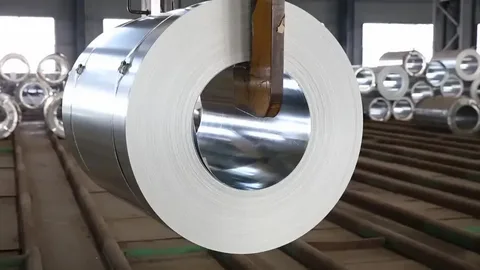
The Galvanised Steel Market Disruptions are changing how manufacturers, suppliers, fabricators, and end users manage production, sourcing, pricing, and investment decisions. Galvanised steel remains an essential material for construction, automotive components, infrastructure, industrial equipment, energy projects, and agricultural applications because its zinc coating provides effective protection against corrosion. However, the market is increasingly exposed to disruptions originating from raw material shortages, energy price volatility, trade restrictions, logistics bottlenecks, environmental regulations, technological transitions, and changing customer requirements.
These disruptions do not affect every participant equally. Companies with diversified suppliers, flexible production systems, efficient inventory management, and advanced coating technologies are generally better positioned to absorb sudden changes. Meanwhile, smaller producers and downstream fabricators can face greater pressure when input costs rise or delivery schedules become uncertain.
Raw Material and Zinc Supply Volatility
One of the most important sources of disruption is volatility in the availability and cost of zinc. Zinc is the primary material used to protect steel surfaces through galvanisation, making its supply directly connected to galvanised steel production economics.
Mining interruptions, refinery maintenance, transportation problems, geopolitical instability, and changes in global industrial demand can influence zinc availability. When zinc prices rise sharply, galvanised steel producers may experience higher operating costs and tighter margins.
Steel itself is also subject to raw material fluctuations. Iron ore, metallurgical coal, scrap steel, and energy costs influence the economics of steel production. A disruption in any part of this chain can eventually affect galvanised steel prices and delivery schedules.
Energy Price Shocks Affect Production Economics
Galvanising is an energy-intensive industrial process. Steel preparation, heating, zinc melting, coating operations, drying, handling, and related processes require substantial energy inputs. Sudden increases in electricity and natural gas prices can therefore increase manufacturing costs.
Energy disruptions can become particularly challenging for producers operating in regions with constrained power infrastructure. Planned or unexpected outages may reduce production volumes, interrupt continuous processing, and create delivery delays.
As a result, manufacturers are increasingly evaluating energy-efficient equipment, process optimization, waste-heat recovery, renewable electricity procurement, and improved plant automation. These investments can reduce exposure to future energy-related disruptions while supporting longer-term operational efficiency.
Geopolitical Tensions and Trade Restrictions
International trade policies are another major source of uncertainty. Tariffs, import quotas, anti-dumping measures, sanctions, export restrictions, and changes in customs procedures can alter the movement of steel and zinc across borders.
Galvanised steel manufacturers often depend on international supply chains for raw materials, equipment, and intermediate steel products. Trade restrictions can increase procurement costs or force companies to identify alternative suppliers.
For downstream industries, sudden changes in import conditions may also affect material availability. Construction companies, automotive manufacturers, infrastructure contractors, and industrial fabricators may respond by increasing inventory or sourcing domestically.
This shift can encourage regionalization of supply chains. Instead of relying heavily on a single international source, companies are increasingly considering multiple geographic suppliers to improve resilience.
Logistics Bottlenecks and Delivery Delays
Transportation disruptions have become a significant concern for industrial material markets. Port congestion, container shortages, higher freight costs, labor disruptions, extreme weather, and infrastructure limitations can interfere with the movement of steel and zinc.
Galvanised steel is frequently transported over considerable distances because production facilities and end-use projects are not always located in the same regions. Delays can affect construction schedules and manufacturing operations, particularly when customers operate with limited material inventories.
Companies are responding by strengthening logistics planning and using regional warehouses. Digital tracking systems can also provide greater visibility into shipments, inventory levels, and expected delivery dates.
Environmental Regulations Transforming Production
Environmental policies represent a different type of disruption. Governments and industrial customers are placing greater emphasis on reducing carbon emissions, improving resource efficiency, and limiting industrial pollution.
Galvanised steel producers are consequently under pressure to reduce the environmental footprint associated with steel production and zinc coating. Compliance may require investments in cleaner energy, efficient furnaces, emissions-control systems, water management, and waste reduction.
These requirements can increase short-term capital expenditure but may create long-term competitive advantages. Producers capable of supplying lower-emission galvanised steel can become more attractive to construction and manufacturing customers seeking to meet sustainability objectives.
Technological Changes Disrupt Traditional Manufacturing
Automation, robotics, digital monitoring, and advanced process-control technologies are transforming galvanising operations. Automated handling systems can improve consistency and reduce manual intervention, while sensors can monitor bath temperature, coating thickness, chemical composition, and production conditions.
Artificial intelligence and data analytics can further support predictive maintenance and quality management. Instead of repairing equipment only after a failure occurs, manufacturers can identify early warning signals and schedule maintenance before major breakdowns interrupt production.
However, technological transformation also creates challenges. Modernizing older facilities requires significant investment, technical expertise, employee training, and integration with existing equipment. Companies that delay modernization may face productivity and quality disadvantages.
Changing Automotive Requirements
The automotive industry is an important consumer of corrosion-resistant steel, particularly for vehicle bodies, structural components, chassis parts, and other applications requiring durability.
Vehicle manufacturers are increasingly seeking lightweight materials, improved corrosion resistance, higher-strength steels, and consistent surface quality. These requirements can disrupt conventional galvanising practices because producers must deliver more specialized grades and tighter specifications.
The transition toward electric vehicles adds another layer of complexity. EV manufacturers are redesigning vehicle structures and production systems, which can change the types, grades, thicknesses, and surface treatments required from steel suppliers.
Galvanised steel producers that can adapt quickly to these changing specifications may capture new opportunities, while less flexible operations could lose relevance.
Construction Cycles Create Demand-Side Disruptions
Construction activity has a strong influence on galvanised steel consumption. Infrastructure projects, commercial buildings, residential construction, transmission networks, bridges, roofing systems, and utility projects can generate substantial demand.
However, construction markets are highly sensitive to interest rates, financing conditions, government spending, material prices, and economic confidence. When projects are delayed or canceled, demand for galvanised steel can weaken quickly.
Conversely, large infrastructure investment programs can create sudden demand increases that place pressure on production capacity and distribution networks. Producers must therefore balance inventory and capacity planning against highly variable project cycles.
Supply Chain Diversification Becomes a Strategic Priority
One of the clearest responses to Galvanised Steel Market Disruptions is supply-chain diversification. Manufacturers are reducing excessive dependence on individual suppliers, geographic regions, and transportation routes.
Dual-sourcing strategies can provide greater flexibility during unexpected shortages. Maintaining relationships with domestic and international suppliers can also help companies respond quickly to changes in prices and availability.
Inventory strategies are evolving as well. While excessive stock increases carrying costs, extremely lean inventories can leave manufacturers vulnerable to supply interruptions. Companies are increasingly using demand forecasting and digital inventory management to determine more appropriate safety-stock levels.
Circularity and Recycling Gain Importance
Recycling is becoming increasingly relevant as manufacturers seek to reduce raw material dependence and environmental impact. Steel has strong recycling potential, allowing scrap to re-enter industrial production rather than becoming waste.
Greater use of recycled steel can help improve resource efficiency, although scrap availability, quality, processing requirements, and regional collection systems can influence its suitability.
Zinc recovery and recycling can also contribute to resource efficiency. As technologies improve, more efficient recovery systems may reduce dependence on primary zinc resources and strengthen the resilience of galvanising supply chains.
Strategic Outlook for the Market
Disruptions will remain a defining feature of the galvanised steel industry. The market is unlikely to return to a supply environment characterized solely by predictable costs and stable international logistics. Instead, producers will need to manage multiple simultaneous pressures involving raw materials, energy, regulations, technology, transportation, and changing customer expectations.
The strongest companies will increasingly compete through resilience as well as production capacity. Flexible sourcing, digital operations, efficient energy use, advanced coating technology, predictive maintenance, and strong customer relationships will become important strategic capabilities.
At the same time, disruptions can create opportunities. Producers that modernize facilities, develop specialized products, improve sustainability performance, and establish diversified supply networks can strengthen their market position.
Ultimately, Galvanised Steel Market Disruptions are not simply short-term obstacles. They are accelerating structural changes across the industry. Companies that treat resilience, innovation, sustainability, and operational flexibility as long-term priorities will be better equipped to navigate uncertainty and participate in the evolving demand for durable, corrosion-resistant steel products.
- Managerial Effectiveness!
- Future and Predictions
- Motivatinal / Inspiring
- Fitness and Wellness
- Medical & Health
- Manufacturing
- Education
- Real-Estate
- Food Industry
- Hospitality
- Online Games
- Sports
- Home Services
- Civil Engineering
- Safety and Protection
- Software Products & Services
- Fashion and Jewellery
- Artificial Intelligence
- Entrepreneurship
- Mentoring & Guidance
- Marketing
- Networking
- HR & Recruiting
- Literature
- Shopping
- Career Management & Advancement