

Inquire
How Digitalization Is Driving Electronic Toll Collection Market Growth
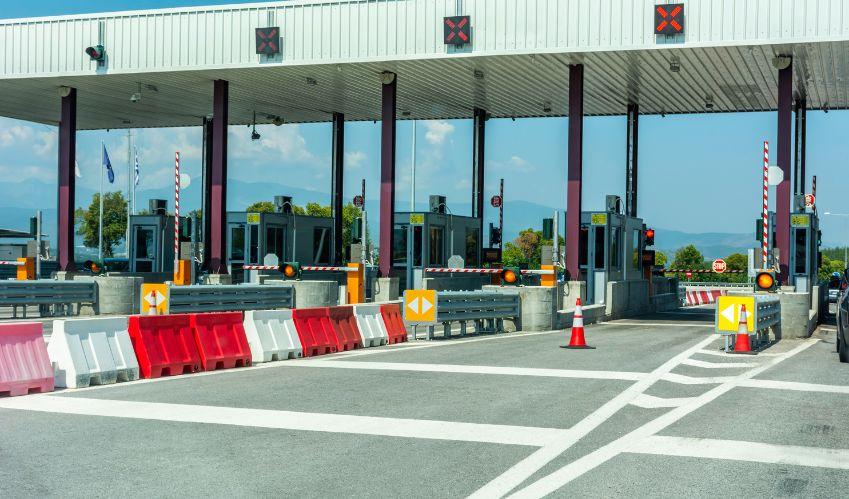
Digitalization Is Transforming Road Tolling Systems
The transportation sector is undergoing rapid digital transformation as governments and road operators increasingly adopt intelligent technologies to improve traffic management, enhance payment efficiency, and reduce congestion. Electronic toll collection (ETC) has emerged as an important component of this transformation by enabling automated toll payments without requiring drivers to stop at traditional toll booths. The integration of wireless communication, digital payments, vehicle identification, and data analytics is making toll collection faster, more convenient, and increasingly efficient.
The global electronic toll collection market was valued at USD 14.07 Billion in 2025 and is projected to reach USD 31.52 Billion by 2035, growing at a CAGR of 8.40% between 2026 and 2035. Increasing digitalization, expanding road infrastructure, growing vehicle ownership, government investments in smart transportation, and the need for efficient traffic management are expected to support the market's growth.
Increasing Adoption of Cashless Toll Payments
The shift from cash-based toll collection toward digital payment systems is one of the most important factors driving the adoption of electronic toll collection. Traditional toll booths can require vehicles to stop and make manual payments, creating delays during busy periods. ETC systems allow payments to be processed electronically, reducing the need for physical transactions.
Digital toll payments can be linked to prepaid accounts, bank accounts, mobile applications, or other electronic payment methods. The convenience of cashless transactions is encouraging both governments and motorists to adopt electronic tolling systems as part of broader digital transportation initiatives.
Growing Need to Reduce Traffic Congestion
Traffic congestion is a major challenge in urban areas and on heavily travelled highways. Conventional toll plazas can become bottlenecks when large numbers of vehicles queue to make payments. Electronic toll collection helps reduce these delays by allowing vehicles to pass through tolling points with minimal interruption.
High-speed electronic identification technologies can automatically recognize vehicles and process payments as they pass through designated tolling areas. By reducing waiting times, ETC systems can contribute to smoother traffic movement and improved road efficiency.
Expansion of Smart Transportation Infrastructure
Governments worldwide are investing in smart transportation infrastructure to improve mobility and make better use of road networks. Electronic toll collection is increasingly being integrated with intelligent transportation systems that combine traffic monitoring, vehicle identification, digital payments, and data management.
Connected transportation infrastructure enables road operators to collect valuable information about traffic patterns and toll usage. This data can support better planning, congestion management, and infrastructure development. As smart city initiatives expand, electronic tolling is expected to become an increasingly important part of connected transportation networks.
RFID Technology Is Supporting ETC Adoption
Radio-frequency identification (RFID) technology is widely used in electronic toll collection systems because it enables automatic vehicle identification. RFID tags can communicate with tolling equipment, allowing vehicles to be recognized and associated with the appropriate payment account.
The increasing deployment of RFID-based tolling is helping road operators improve transaction speed and reduce manual intervention. Improvements in RFID technology are also contributing to greater reliability and efficiency, supporting its continued use in modern toll collection systems.
License Plate Recognition Is Expanding Tolling Capabilities
Automatic license plate recognition is another important technology supporting digital toll collection. Cameras can capture vehicle license plates and use image-processing systems to identify vehicles without requiring physical toll booths or dedicated tags in every situation.
License plate recognition can be particularly useful for open-road tolling and situations where vehicles are not equipped with traditional toll tags. The combination of cameras, artificial intelligence, and automated payment systems is creating new possibilities for flexible toll collection.
Mobile Payments Are Improving User Convenience
The widespread adoption of smartphones and digital payment platforms is creating new opportunities for electronic toll collection. Mobile applications can allow motorists to manage toll accounts, make payments, receive transaction notifications, and access information about toll roads.
Mobile-based solutions can make toll payment more accessible, particularly for occasional users and visitors who may not have traditional toll tags. The integration of mobile technology with ETC platforms is expected to strengthen the overall digital tolling ecosystem.
Artificial Intelligence Is Improving Toll Management
Artificial intelligence and data analytics are increasingly being used to improve electronic toll collection systems. AI can support vehicle recognition, transaction validation, fraud detection, traffic monitoring, and operational decision-making.
Advanced analytics can also help road operators understand traffic patterns and identify congestion trends. By using real-time and historical data, transportation authorities can improve tolling operations and make more informed infrastructure decisions.
Open-Road Tolling Is Gaining Importance
Open-road tolling is becoming increasingly attractive as transportation authorities seek to reduce dependence on traditional toll plazas. In an open-road system, vehicles can be identified and charged while travelling at normal highway speeds, eliminating the need to stop at physical toll booths.
This approach can improve traffic flow and reduce the infrastructure required for conventional toll collection. As digital identification and payment technologies become more reliable, open-road tolling is expected to gain wider adoption.
Growing Vehicle Ownership Is Supporting Market Expansion
The global increase in vehicle ownership is creating greater demand for efficient road infrastructure and toll collection systems. As more vehicles use highways, bridges, tunnels, and other toll-based infrastructure, governments require systems capable of handling larger transaction volumes.
Electronic toll collection provides a scalable approach to managing increasing numbers of vehicles. Automated processing can handle large transaction volumes without requiring a proportional increase in manual toll collection resources.
Government Investments Are Accelerating Digital Tolling
Governments are increasingly investing in electronic tolling as part of broader infrastructure modernization programs. Digital toll systems can improve revenue collection, reduce operational costs, and provide motorists with faster payment options.
Several countries are also implementing nationwide or regional electronic tolling programs to improve highway efficiency. Continued investment in road infrastructure and smart mobility initiatives is expected to create additional opportunities for ETC technology providers.
Sustainability Benefits Are Supporting Adoption
Electronic toll collection can contribute to more sustainable transportation by reducing vehicle idling at toll plazas. Traditional toll booths can cause vehicles to stop and restart frequently, increasing fuel consumption and emissions during periods of congestion.
By enabling vehicles to pass through tolling points with limited interruption, ETC systems can support smoother traffic flow. While the overall environmental impact depends on system design and traffic conditions, sustainability objectives are encouraging transportation authorities to consider digital tolling solutions.
- Managerial Effectiveness!
- Future and Predictions
- Motivatinal / Inspiring
- Fitness and Wellness
- Medical & Health
- Manufacturing
- Ausbildung
- Real-Estate
- Food Industry
- Hospitality
- Online Games
- Sports
- Home Services
- Civil Engineering
- Safety and Protection
- Software Products & Services
- Fashion and Jewellery
- Artificial Intelligence
- Entrepreneurship
- Mentoring & Guidance
- Marketing
- Networking
- HR & Recruiting
- Literature
- Shopping
- Career Management & Advancement
SkillClick