

 SkillClick
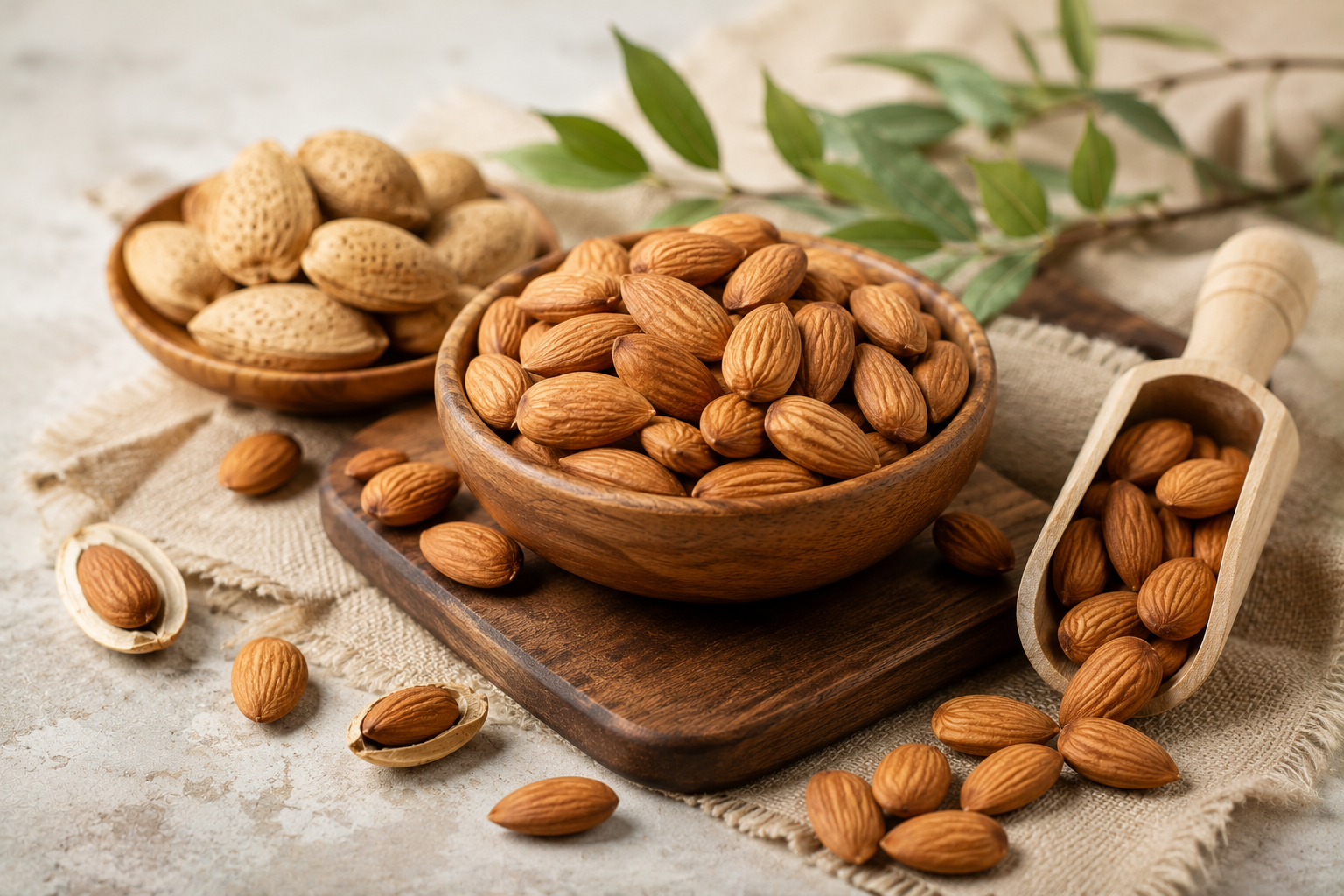
Almonds Price Trend Q2 2026: Why China and India Are Worlds Apart
Look at the almonds price trend for June 2026 and one thing jumps out immediately. China's almonds are priced at USD 1,133.21/MT FOB. India's? USD 9,872.19/MT FOB. That's not a small gap. It's almost nine times the price, same product, same incoterm basis, wildly different numbers.
Anyone sourcing almonds for food processing, retail, or export needs to sit with that difference for a second. FOB means both figures reflect the cost of goods loaded onto the vessel at the origin port, before freight and insurance even enter the picture. So this isn't a shipping story. It's a supply and grading story, and it changes how buyers should think about where they source from.
Current Almonds Prices: China vs India
Numbers first, context after.
| Product | Region | Incoterm Basis | Price | Last Updated |
|---|---|---|---|---|
| Almonds | China | FOB | USD 1,133.21/MT | June 2026 |
| Almonds | India | FOB | USD 9,872.19/MT | June 2026 |
USD 8,738.98 separates these two per metric ton. Read that twice if it needs it. On identical incoterm terms, India's almonds cost roughly 8.7 times more than China's.
A few notes before jumping to conclusions:
- Both prices are FOB, so freight and insurance aren't muddying the comparison here.
- Both are June 2026 figures, current, not stale averages pulled from earlier in the year.
- FOB pricing this far apart usually points to differences in product grade, sourcing origin, or how "almonds" is even being classified in each market.
That last point matters more than people give it credit for. Almond varieties, shell types, and processing grades can swing prices dramatically even within one country, let alone across two.
What's Behind Such a Wide Price Gap?
Fair question. A near tenfold difference between two FOB prices doesn't happen by accident.
Product classification. Not all "almonds" mean the same thing on a trade sheet. Raw in-shell almonds price nothing like blanched, sliced, or premium-grade kernels. If China's figure reflects bulk raw stock and India's reflects a processed or specialty grade, that alone explains a huge chunk of the gap.
Domestic supply versus imports. China grows some almonds domestically and also imports raw stock cheaply, which keeps its FOB number low. India isn't a major almond-producing country at scale. Most of what moves through Indian trade channels gets re-exported or repackaged after import, and that adds cost layers before the FOB price even gets set.
Quality and certification standards. Higher grading, food safety certification, and export documentation requirements push prices up. If India's figure reflects a premium or certified export batch, that's a real cost driver, not just market noise.
Currency and local input costs. Labor, packaging, and local logistics before the port all factor into FOB pricing. These costs differ enormously between the two countries and get baked into the final number.
Is one number "wrong"? No. They're just measuring different things, most likely. That's the honest answer.
Quick Q&A: Making Sense of the Numbers
So which price should a buyer actually trust?
Neither one blindly. Check what grade and classification each figure represents before comparing them side by side.
Does this mean China is the cheaper source overall?
Probably, for bulk raw almonds. But landed cost, quality consistency, and supplier reliability still need checking before locking in a decision.
Could this gap close by Q3 2026?
Hard to say. Grading and classification differences tend to stick around longer than short-term price swings do.
What This Means for Buyers and Traders
Sourcing teams pulling almonds into food processing or retail packaging have a real decision in front of them here. China's lower FOB price is tempting on a spreadsheet. But bulk raw almonds at that price point likely need further processing, sorting, or grading before they're usable for premium products.
India's number, sitting near USD 9,872 per ton, suggests something closer to a finished or certified product. For buyers targeting premium retail shelves or export-grade packaging, that higher price might actually reflect exactly what's needed, less rework, fewer quality surprises down the line.
Traders and business advisers working across both markets should treat this spread as a flag to dig deeper, not a red flag to avoid one market entirely. Ask for spec sheets. Confirm grading standards. The number alone doesn't tell the whole story.
Looking Ahead: Q2 2026 Outlook
Where this heads through the rest of Q2 2026 depends heavily on classification clarity more than anything else. If future data separates raw versus processed almonds by grade, expect the reported price gap to shrink on paper, even if actual market conditions barely move.
Buyers locking in supply contracts right now should request grade specifications alongside pricing. A number without context, especially one this wide, isn't something to build a sourcing strategy around.
Conclusion
The almonds price trend for June 2026 shows a striking divide, China at USD 1,133.21/MT FOB, India at USD 9,872.19/MT FOB. That gap likely comes down to product grade, classification, and how each market handles processing before export, not a simple cost-of-production story. Anyone sourcing almonds internationally should treat this trend as a reminder to verify specs before comparing prices across regions.
FAQ Section
What is the current almonds price trend in China and India?
As of June 2026, China's almonds are priced at USD 1,133.21/MT FOB while India's sit at USD 9,872.19/MT FOB. The near ninefold gap likely reflects differences in product grade and classification rather than a straightforward cost comparison.
Why is there such a big price difference between China and India for almonds?
Grading, processing level, and how "almonds" gets classified on trade documents all factor in heavily. India isn't a large domestic producer, so its figure likely reflects processed or re-exported stock, which carries added cost layers that China's bulk pricing doesn't.
Is China the better source for buying almonds in bulk?
For raw, unprocessed almonds, yes, on price alone. But buyers still need to confirm quality consistency, supplier reliability, and whether further processing is needed before the product is usable for their end application.
How often do almonds prices change internationally?
Almond prices shift with harvest cycles, weather conditions in producing regions, and export demand, often on a monthly basis. June 2026 figures are a fair benchmark, but anyone finalizing contracts should pull the latest data first.
What should buyers check before comparing almonds prices across countries?
Always confirm the exact grade, shell type, and processing level behind each price. FOB numbers this far apart usually mean two different products are being compared, not one market simply being cheaper than the other.