

 SkillClick
Where to Explore Advanced Stem Cell Hair Transplant in Dubai
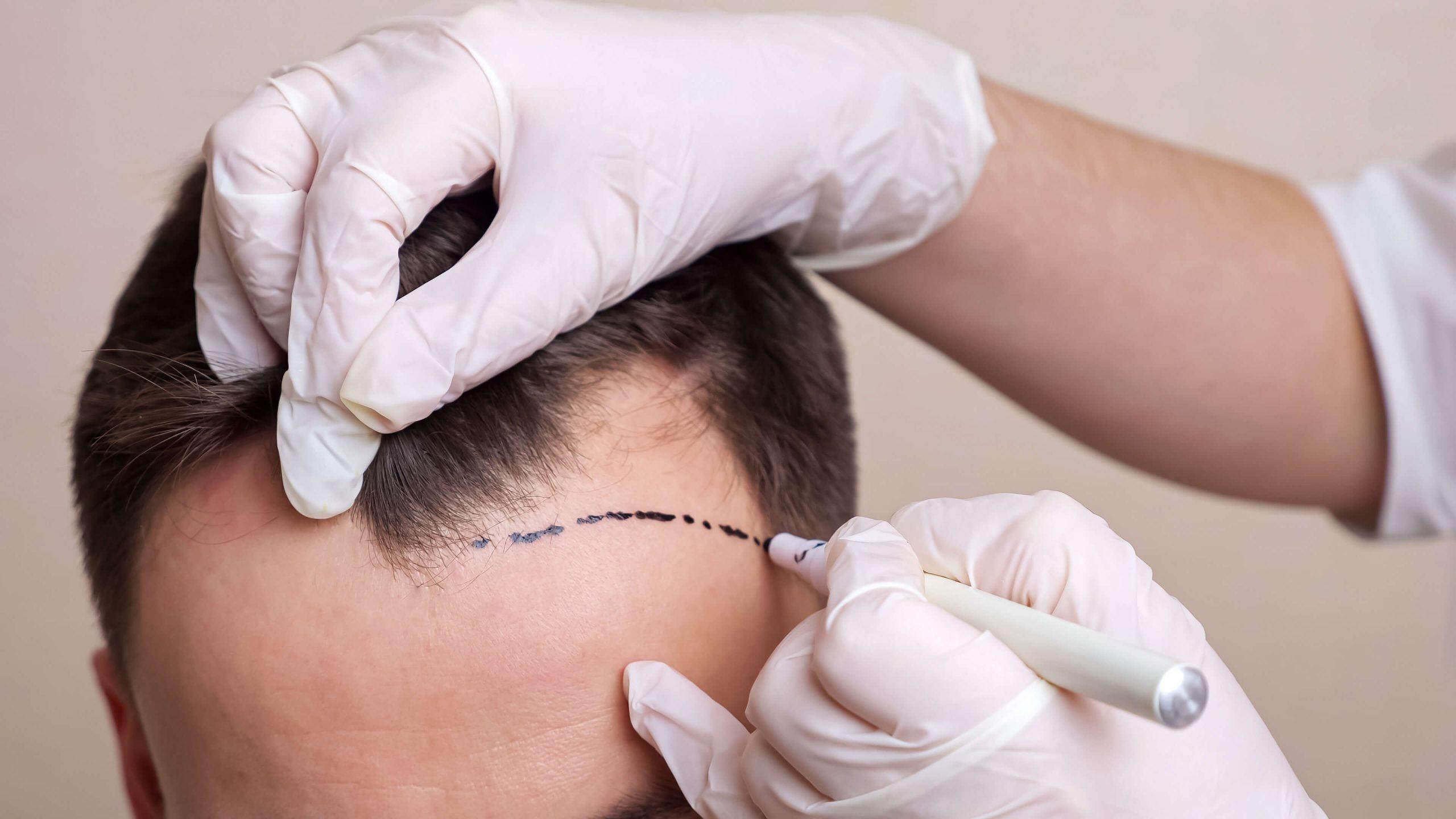
Hair restoration has moved beyond conventional transplantation, with regenerative approaches receiving growing attention among people seeking solutions for thinning hair and pattern hair loss. Among these emerging options, Stem Cell Hair Transplant in Dubai is increasingly discussed for its focus on regenerative principles and the potential role of stem-cell-based techniques in supporting hair follicle activity. However, the terminology used for these procedures can vary considerably, making it important for patients to understand exactly what a provider is offering before making a decision.
Advanced hair restoration should always begin with a proper assessment rather than a treatment choice based solely on marketing claims. Hair loss can result from androgenetic alopecia, hormonal changes, nutritional factors, inflammatory scalp conditions, stress, or other underlying causes. A qualified medical professional can evaluate the scalp, donor area, hair density, and progression of hair loss to determine whether a regenerative approach, conventional transplantation, medical therapy, or a combination may be appropriate.
Dubai offers access to sophisticated aesthetic and medical facilities, but advanced technology alone does not determine the quality of a treatment. Patients should look at the qualifications of the treating practitioner, the methodology being used, the evidence supporting the procedure, and the quality of follow-up care. Understanding these factors can make the search for an appropriate hair restoration provider more informed and realistic.
Understanding Advanced Stem Cell Hair Restoration
Stem-cell-based hair restoration generally refers to approaches that aim to use regenerative cells, cellular components, or growth factors to support the scalp environment and hair follicles. The exact procedure can differ between providers, so patients should not assume that every treatment marketed under the same name uses an identical technique.
Traditional hair transplantation physically moves follicular units from a donor area to areas affected by hair loss. Regenerative approaches may instead focus on stimulating existing follicles or improving the biological environment surrounding them. In some cases, regenerative treatments may be discussed alongside established transplantation methods.
Patients should therefore ask for a precise explanation of the procedure, including what biological material is used, how it is prepared, where it is applied, and what scientific evidence supports the protocol.
Why Dubai Is Becoming a Destination for Advanced Hair Restoration
Dubai has developed a substantial medical and aesthetic healthcare sector, giving patients access to a broad range of hair and scalp treatments. Modern facilities, specialist consultations, and advanced diagnostic technologies can make the city attractive to individuals researching regenerative hair restoration.
However, accessibility should not be confused with suitability. A treatment that works well for one patient may not be appropriate for another. The severity and pattern of hair loss, donor hair availability, scalp condition, age, medical history, and expectations can all influence treatment planning.
For anyone researching Stem Cell Hair Transplant in Dubai, the most useful approach is to compare treatment protocols rather than simply comparing promotional descriptions. A detailed consultation should explain what the treatment can realistically accomplish and whether alternative options may provide better long-term value.
What Makes an Advanced Hair Restoration Approach Different?
One of the main attractions of regenerative hair treatments is their focus on the biological health of the scalp and hair follicles. Instead of viewing hair restoration solely as a surgical process, regenerative medicine investigates cellular signals and growth mechanisms that may influence follicular function.
The field is still developing, however. Evidence surrounding different stem-cell-related hair treatments is not uniform, and some techniques have stronger clinical support than others. Patients should be cautious about claims involving guaranteed regrowth, permanent results, or dramatic restoration without appropriate scientific or clinical context.
A responsible consultation should distinguish between established hair transplantation techniques, regenerative therapies, and experimental or emerging procedures.
What to Look for When Exploring Treatment Options
Experience and Qualifications
The qualifications and experience of the medical professional performing or supervising treatment should be among the first considerations. Patients should understand who will evaluate them, who will perform the procedure, and what relevant experience the practitioner has with hair restoration and regenerative techniques.
A provider should also be comfortable explaining the limitations of the procedure rather than presenting every patient as an ideal candidate.
Technology and Techniques
Advanced equipment can support diagnosis, treatment planning, and procedural precision, but technology should serve a clinically appropriate treatment strategy.
Ask what specific stem-cell-based or regenerative technique is being proposed and whether it is supported by credible clinical research. Patients should also understand whether the procedure is intended to complement conventional transplantation or function as an independent treatment.
Safety Standards
Safety should take priority over promotional claims. Patients should ask about infection-control procedures, medical supervision, preparation methods, and possible side effects.
Any procedure involving biological material should be clearly explained, including its source, handling, preparation, and application. Transparent answers are an important indicator of responsible healthcare practice.
Consultation Process
A thorough consultation should assess the cause and extent of hair loss before recommending treatment. Depending on the case, the evaluation may include scalp examination, assessment of hair density, review of family history, medical history, and discussion of previous treatments.
The consultation is also the right time to ask whether regenerative treatment is actually appropriate or whether established options such as medication or follicular-unit transplantation would be more suitable.
Patient Experience
The quality of care extends beyond the treatment itself. Clear communication, realistic expectations, informed consent, convenient follow-up, and access to professional guidance during recovery can all influence the overall patient experience.
Patients should be wary of providers who focus heavily on before-and-after imagery while offering limited information about the process, risks, limitations, or long-term management.
Expected Results
Hair restoration results vary considerably. Existing follicle health, the underlying cause of hair loss, treatment protocol, genetics, and adherence to post-treatment recommendations can all affect outcomes.
Patients should ask when changes may become noticeable, whether multiple sessions might be necessary, and how progress will be evaluated. A medically responsible provider should discuss realistic outcomes rather than guaranteeing a particular density or hairline.
How to Make a More Informed Treatment Decision
Before choosing an advanced regenerative hair treatment, patients can prepare a list of practical questions for their consultation. These should include the exact treatment methodology, evidence supporting it, expected recovery, potential complications, alternative treatments, and follow-up schedule.
It is also useful to determine whether the primary objective is to stimulate existing weakened follicles, restore areas where follicles have been permanently lost, or address both concerns. This distinction matters because regenerative treatments and transplantation address hair loss in different ways.
Patients considering Stem Cell Hair Transplant in Dubai should also understand that terminology in the aesthetic industry can sometimes be broader than the scientific definition of stem-cell therapy. Asking for technical details and reviewing the proposed treatment plan can help prevent confusion.
Frequently Asked Questions
Is stem cell hair restoration suitable for everyone?
No. Suitability depends on the cause and severity of hair loss, follicle condition, donor-area quality, overall health, and the specific treatment being proposed. A professional assessment is necessary before deciding.
Does stem cell hair treatment permanently restore lost hair?
Permanent restoration cannot be guaranteed. Regenerative approaches may aim to support existing follicles, while conventional transplantation can relocate viable follicles to areas affected by permanent hair loss. The expected outcome depends on the individual case and treatment method.
How long does it take to see results?
Hair growth is naturally slow, so changes generally require time. The timeline varies according to the technique used, individual follicle response, and whether regenerative treatment is combined with another hair restoration procedure.
Are stem-cell-based hair treatments proven?
Research into regenerative hair restoration is ongoing. Some cellular and regenerative approaches have promising findings, but evidence varies between techniques. Patients should ask specifically about the scientific basis of the procedure being offered rather than assuming every treatment marketed as stem-cell therapy has the same level of evidence.
What should I ask during a consultation?
Ask about the exact technique, practitioner qualifications, expected benefits, limitations, potential risks, alternatives, number of sessions, recovery requirements, and follow-up process. You should also ask how treatment success will be measured.
Conclusion
Advanced regenerative hair restoration can be an interesting option for people investigating newer approaches to hair loss, but careful evaluation remains essential. The most appropriate treatment depends on the underlying cause of hair loss, the condition of existing follicles, individual expectations, and the evidence supporting the proposed technique. Patients should prioritize qualified medical assessment, transparent treatment protocols, safety standards, and realistic expectations over promotional promises. When exploring Stem Cell Hair Transplant, taking time to understand the science, treatment methodology, alternatives, and long-term plan can help patients make a more informed decision about their hair restoration journey.
- Managerial Effectiveness!
- Future and Predictions
- Motivatinal / Inspiring
- Fitness and Wellness
- Medical & Health
- Manufacturing
- Onderwijs
- Real-Estate
- Food Industry
- Hospitality
- Online Games
- Sports
- Home Services
- Civil Engineering
- Safety and Protection
- Software Products & Services
- Fashion and Jewellery
- Artificial Intelligence
- Entrepreneurship
- Mentoring & Guidance
- Marketing
- Networking
- HR & Recruiting
- Literature
- Shopping
- Career Management & Advancement