

 SkillClick
Tree Removal in Auckland: What Property Owners Should Know
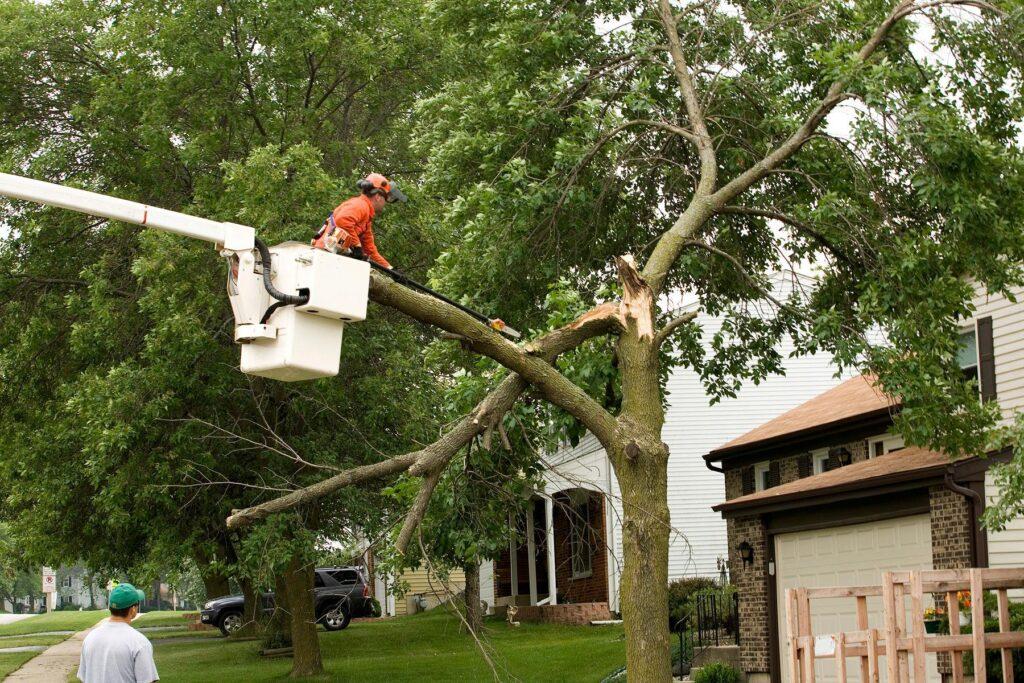
Trees are an important part of Auckland's landscape, but there are times when a tree may need to be removed. A tree can become unsafe because of disease, structural damage, storm impact, age, or its location on a property. In other situations, removal may be considered because a tree is interfering with construction, landscaping, access, or surrounding structures.
Before deciding to remove a tree, property owners should understand the potential risks and consider whether professional assessment is necessary. Experienced arborists in Auckland can inspect trees and help property owners determine an appropriate course of action.
Why Might a Tree Need to Be Removed?
Tree removal is usually considered when a tree can no longer be safely retained or when it is causing significant problems for a property.
Common reasons can include:
- Severe storm damage
- Dead or declining trees
- Structural instability
- Large damaged branches
- Serious disease or decay
- Trees growing in unsuitable locations
- Interference with buildings or infrastructure
- Property development or landscaping requirements
However, removal should not automatically be the first option. A professional assessment may determine that pruning, support, or ongoing monitoring could be sufficient.
Identifying a Potentially Dangerous Tree
Some signs can indicate that a tree requires professional attention. These may include large cracks in the trunk, broken branches, visible decay, significant leaning, damaged roots, or branches that appear weak or unstable.
Changes in the appearance of the tree can also be worth investigating. For example, a tree that suddenly develops dead sections or loses large amounts of foliage may have an underlying problem.
Property owners should be particularly cautious after severe weather, as storms can create hidden structural damage.
Why Large Tree Removal Is Not a DIY Project
Removing a small tree may appear straightforward, but larger trees can present serious hazards. Branches can be heavy, unpredictable, and difficult to control once they are cut.
The surrounding environment also needs to be considered. A tree may be close to a house, garage, fence, road, vehicle, garden, or utility infrastructure.
Professional tree removal involves planning how different sections of the tree will be cut and controlled. Specialist equipment may also be required to safely reach higher branches or manage larger sections of the tree.
Attempting complex tree removal without the appropriate experience and equipment can result in serious injury or property damage.
The Importance of a Site Assessment
Before removing a large or complicated tree, a site assessment can help identify potential challenges.
An arborist may consider:
- The height and size of the tree
- Its overall structural condition
- Nearby buildings and structures
- Access for equipment
- The direction and size of branches
- Ground conditions
- Surrounding landscaping
- Potential hazards around the work area
This information can help determine the safest and most practical method for carrying out the work.
Tree Removal Does Not Always Mean Cutting Everything at Once
Large trees are often removed in sections rather than being cut down in one piece. This approach allows workers to control individual branches and sections as they are removed.
The method used depends on the size and condition of the tree and the available space around it.
Controlled removal can be particularly important in residential areas where there may be limited room to work.
What Happens to the Tree After Removal?
Once a tree has been removed, the branches and trunk sections need to be processed and cleared from the property.
Branches may be chipped, while larger sections of timber may need to be cut into manageable pieces. Property owners should clarify whether removal and cleanup are included in the tree-removal quotation.
A clean worksite is especially important when tree removal takes place near driveways, paths, entrances, or other frequently used areas.
Dealing With the Remaining Stump
Tree removal often leaves a stump behind. Depending on its location, a stump can interfere with lawn maintenance, landscaping, or future property improvements.
Stump grinding can reduce the remaining stump below ground level. This creates more usable space and can make the area easier to landscape.
Property owners should decide whether stump removal or grinding is required before the work begins, as this may affect the overall project cost and schedule.
Alternatives to Tree Removal
Not every problematic tree needs to be removed. In some cases, pruning may resolve the issue.
For example, branches growing toward a building may be selectively pruned to improve clearance. Dead branches may also be removed without removing the entire tree.
Professional assessment is useful because it allows the condition and location of the tree to be considered before a final decision is made.
Planning Tree Removal Around Property Access
Access is an important consideration for Auckland properties. Narrow driveways, fences, gardens, buildings, and neighbouring properties can make tree removal more complicated.
Before work begins, property owners should discuss access requirements with the tree-care provider. This can help ensure that equipment and workers can reach the tree safely.
It may also be necessary to keep vehicles, children, pets, and other people away from the work area during removal.
Choosing a Professional Tree Removal Service
When selecting a tree-care provider, property owners should consider qualifications, experience, insurance, equipment, and safety practices.
A professional quotation should clearly explain what work will be completed and whether services such as branch removal, stump grinding, and site cleanup are included.
For large or hazardous trees, experience should be treated as an important consideration rather than choosing a provider based solely on price.
Is Tree Removal the Right Choice?
Removing a tree is a significant decision. Mature trees can provide shade, privacy, environmental benefits, and visual appeal, so removal should generally be considered carefully.
If there are concerns about a tree's safety or condition, professional assessment can help property owners understand the available options.
In some cases, maintenance may be enough to retain the tree. In others, removal may be the most responsible solution.
Conclusion
Tree removal can be necessary when a tree becomes unsafe, severely damaged, diseased, or unsuitable for its location. However, large tree removal involves risks that should not be underestimated.
Professional assessment and careful planning can help property owners determine whether removal is necessary and how the work can be completed safely. From initial inspection and controlled removal to stump grinding and site cleanup, each stage should be considered as part of the overall project.
For Auckland property owners, taking a professional approach to tree removal can help protect people, property, and the surrounding landscape while ensuring that tree-related problems are handled responsibly.
- Managerial Effectiveness!
- Future and Predictions
- Motivatinal / Inspiring
- Fitness and Wellness
- Medical & Health
- Manufacturing
- Education
- Real-Estate
- Food Industry
- Hospitality
- Online Games
- Sports
- Home Services
- Civil Engineering
- Safety and Protection
- Software Products & Services
- Fashion and Jewellery
- Artificial Intelligence
- Entrepreneurship
- Mentoring & Guidance
- Marketing
- Networking
- HR & Recruiting
- Literature
- Shopping
- Career Management & Advancement