

 SkillClick
Marine: A Complete Guide to Marine Industry, Technology & Applications
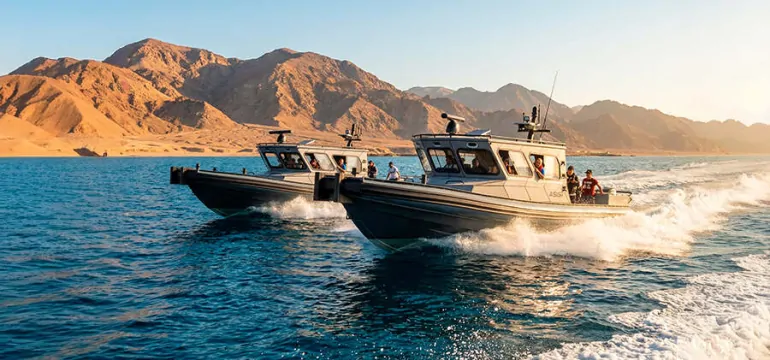
Marine: A Complete Guide to Marine Industry, Technology & Applications
The marine industry encompasses a vast range of activities, technologies, vessels, equipment, and services associated with oceans, seas, rivers, lakes, ports, and other waterways. From commercial shipping and offshore energy to marine transportation, fishing, defense, search and rescue, and recreational boating, marine activities play an important role in the global economy.
Modern marine operations rely on advanced vessels, propulsion systems, navigation technology, communication equipment, safety systems, and specialized marine solutions. As technology continues to evolve, the marine sector is becoming increasingly focused on efficiency, safety, sustainability, and specialized operational capabilities.
Understanding the marine industry requires looking at the different sectors it supports, the technologies it uses, the types of vessels involved, and the challenges faced by organizations operating on the water.
What Does Marine Mean?
The term marine generally refers to anything related to the sea, oceans, waterways, or activities conducted on or around water.
In a professional context, marine can describe a wide range of industries and technologies, including:
-
Marine transportation
-
Marine engineering
-
Marine vessels
-
Marine equipment
-
Marine navigation
-
Marine safety
-
Offshore operations
-
Maritime security
-
Marine research
-
Recreational boating
The term is therefore much broader than simply referring to boats. It covers the systems, people, infrastructure, technology, and operations that enable activities on the water.
What Is the Marine Industry?
The marine industry is a broad sector made up of businesses and organizations involved in the design, manufacturing, operation, maintenance, and support of marine vessels, equipment, infrastructure, and services.
Major areas of the marine industry include commercial shipping, shipbuilding, offshore energy, fishing, marine tourism, defense, law enforcement, search and rescue, ports, and marine transportation.
Different sectors have different operational requirements. For example, a commercial shipping company may prioritize cargo capacity and fuel efficiency, while a search-and-rescue organization may prioritize speed, maneuverability, reliability, and specialized equipment.
Major Marine Industry Sectors
1. Marine Transportation
Marine transportation is one of the most important parts of the global marine industry.
Ships and boats transport passengers, cargo, raw materials, vehicles, and other goods between ports and destinations around the world.
Commercial marine transportation includes container shipping, bulk transportation, tanker operations, passenger ferries, and other specialized vessels.
Efficiency, navigation, safety, and reliability are critical factors in this sector.
2. Offshore Marine Operations
Offshore operations involve activities conducted away from the immediate coastline.
The offshore sector supports industries such as oil and gas, renewable energy, marine construction, surveying, and environmental monitoring.
Offshore operations often require specialized vessels capable of carrying personnel, equipment, tools, and supplies while operating in challenging marine conditions.
3. Marine Defense and Security
Military and maritime security organizations use specialized marine vessels for patrol, surveillance, transportation, coastal security, and other missions.
RIBs and RHIBs are commonly associated with professional applications where speed, maneuverability, and operational flexibility are important.
Modern security vessels may also use advanced radar, navigation, communication, surveillance, and tactical systems.
4. Search and Rescue
Marine search-and-rescue operations are designed to respond to emergencies on rivers, lakes, coastal waters, and offshore environments.
Rescue organizations may use specialized boats equipped with navigation systems, communication equipment, rescue gear, medical supplies, and other mission-specific technologies.
Speed and maneuverability can be particularly important when emergency teams need to reach people quickly.
5. Commercial Marine Operations
Commercial marine activities include a wide range of professional operations performed on the water.
These can include:
-
Marine construction
-
Diving
-
Surveying
-
Port services
-
Marina operations
-
Personnel transportation
-
Offshore support
-
Maintenance
-
Environmental monitoring
Workboats and specialized RIBs can be configured around the requirements of each operation.
6. Fishing and Aquaculture
Fishing is another major marine industry sector.
Commercial fishing operations use specialized vessels and equipment designed to support fishing activities, catch handling, storage, transportation, and crew operations.
Aquaculture, meanwhile, involves cultivating fish, shellfish, and other aquatic organisms and may require specialized marine infrastructure and support vessels.
7. Marine Tourism and Recreation
Marine tourism includes activities such as sightseeing, coastal transportation, recreational boating, diving, water sports, and marine excursions.
Tourism operators often require vessels that prioritize passenger comfort, safety, stability, and reliability.
Types of Marine Vessels
Marine operations rely on many different types of vessels.
Rigid Inflatable Boats
Rigid Inflatable Boats, or RIBs, combine a rigid hull with inflatable tubes. Their design can provide a useful combination of stability, buoyancy, maneuverability, and performance.
Professional RIBs are used for military, law enforcement, rescue, commercial, offshore, and transportation applications.
RHIBs
Rigid Hulled Inflatable Boats, commonly called RHIBs, are designed for demanding professional and operational environments.
They can be configured with different seating arrangements, propulsion systems, navigation equipment, communication systems, and specialized accessories.
Workboats
Workboats are designed to support commercial and industrial marine activities.
Their configurations can vary significantly depending on whether they are used for offshore support, diving, surveying, construction, transportation, or maintenance.
Patrol Boats
Patrol boats are designed for maritime security, surveillance, law enforcement, border protection, and other operational roles.
They often feature equipment designed to support communication, navigation, observation, and rapid response.
Rescue Boats
Rescue boats are designed to support emergency response and search-and-rescue operations.
Depending on their role, they may include rescue platforms, specialized seating, medical equipment, communication systems, navigation equipment, and emergency lighting.
Marine Technology
Technology plays a major role in modern marine operations.
Navigation Technology
Modern vessels use sophisticated navigation systems to improve situational awareness and route planning.
Common technologies include:
-
GPS
-
Radar
-
Electronic navigation systems
-
Depth sounders
-
Digital charts
-
Automatic identification systems
These technologies can help operators understand their location, surrounding traffic, water depth, and navigational environment.
Marine Communication Systems
Reliable communication is essential for professional marine operations.
Marine radios, satellite communication systems, emergency communication equipment, and integrated communication platforms help crews communicate with other vessels, shore-based teams, ports, and emergency services.
Propulsion Technology
Marine propulsion systems determine how a vessel moves through the water.
Depending on the vessel and application, propulsion may include outboard engines, inboard engines, stern drives, water jets, hybrid systems, or electric propulsion.
The right propulsion system depends on vessel size, speed requirements, operating environment, payload, fuel efficiency, and mission objectives.
Importance of Marine Safety
Safety is one of the most important considerations in any marine operation.
Marine organizations need to account for vessel stability, weather conditions, navigation, communication, crew training, emergency procedures, and appropriate safety equipment.
Depending on the type of operation, safety equipment may include:
-
Personal flotation devices
-
Life rafts
-
Firefighting equipment
-
Emergency communication systems
-
Navigation equipment
-
First-aid equipment
-
Emergency signaling devices
Professional operators should also follow applicable maritime regulations and conduct regular vessel inspections and maintenance.
Marine Engineering and Vessel Design
Marine engineering focuses on the systems and technologies used to design, build, operate, and maintain vessels and marine infrastructure.
Engineers may work on:
-
Hull design
-
Propulsion systems
-
Electrical systems
-
Mechanical systems
-
Navigation systems
-
Safety systems
-
Structural engineering
-
Environmental technologies
Modern vessel design increasingly focuses on improving efficiency while maintaining performance, safety, and durability.
Marine Environmental Challenges
The marine environment faces several significant challenges, including pollution, habitat degradation, overfishing, and the effects of climate change.
Marine organizations are therefore increasingly exploring technologies and practices that can reduce environmental impact.
These may include:
-
More efficient propulsion
-
Electric and hybrid systems
-
Improved fuel efficiency
-
Cleaner marine fuels
-
Waste management
-
Emissions reduction
-
Sustainable fishing practices
-
Environmental monitoring
Sustainability is becoming an increasingly important consideration across many parts of the marine industry.
How Marine Technology Is Evolving
The marine sector continues to adopt new technologies to improve performance, safety, and efficiency.
Automation, digital navigation, advanced materials, electric propulsion, hybrid systems, improved sensors, and data-driven monitoring are changing how marine vessels are designed and operated.
Lightweight materials can help improve vessel efficiency, while modern electronics provide operators with greater information about navigation, vessel condition, weather, and surrounding traffic.
Professional marine vessels are also becoming increasingly customizable, allowing organizations to configure boats and equipment around specific missions.
Choosing the Right Marine Vessel
Selecting a marine vessel requires careful consideration of the intended application.
Define the Mission
The first step is identifying exactly what the vessel needs to accomplish.
A patrol vessel, rescue boat, offshore workboat, passenger boat, and recreational vessel have different design requirements.
Consider the Operating Environment
Water conditions can significantly influence vessel selection.
Operators should consider whether the vessel will be used on:
-
Rivers
-
Lakes
-
Coastal waters
-
Offshore environments
-
Rough seas
-
Shallow water
Hull design and propulsion should be appropriate for the expected conditions.
Evaluate Capacity
Passenger numbers, crew requirements, equipment, fuel, and payload should all be considered.
A vessel must have sufficient capacity for its intended mission without exceeding manufacturer or regulatory limits.
Consider Performance
Important performance characteristics can include speed, maneuverability, stability, range, fuel efficiency, and endurance.
The most important characteristic depends on the specific operation.
Benefits of Modern Marine Solutions
Modern marine technology offers several potential benefits.
Improved Efficiency
Advanced propulsion, hull designs, and electronic systems can help improve operational efficiency.
Enhanced Safety
Modern navigation and communication technologies can provide crews with better information and support safer decision-making.
Greater Versatility
Customizable marine vessels can be adapted for different operational requirements.
Better Performance
Advanced materials and propulsion technologies can improve speed, handling, range, and overall vessel performance.
Increased Operational Capability
Specialized marine equipment allows organizations to perform increasingly complex tasks on the water.
Frequently Asked Questions About Marine
What does marine mean?
Marine generally refers to the sea, oceans, waterways, and activities, industries, technologies, and equipment associated with them.
What is the marine industry?
The marine industry includes businesses and organizations involved in marine transportation, vessel manufacturing, offshore operations, fishing, defense, marine tourism, ports, engineering, and other water-based activities.
What are marine vessels?
Marine vessels are boats and ships designed to operate on water. Examples include RIBs, RHIBs, workboats, patrol boats, rescue boats, fishing vessels, ferries, and commercial ships.
What is marine technology?
Marine technology includes the equipment, systems, and technologies used to design, operate, navigate, communicate with, and maintain marine vessels and infrastructure.
Why is marine safety important?
Marine safety helps protect crews, passengers, vessels, equipment, and the environment. Proper navigation, communication, training, maintenance, and safety equipment are important parts of safe marine operations.
Conclusion
The marine industry is a diverse and constantly evolving sector that supports transportation, commerce, defense, rescue, offshore operations, fishing, tourism, research, and many other activities.
From advanced navigation and propulsion technologies to specialized RIBs, RHIBs, workboats, patrol vessels, and rescue boats, modern marine solutions are designed to meet increasingly specific operational requirements.
As technology continues to advance, the marine industry is moving toward greater efficiency, improved safety, increased customization, and more sustainable operations.
Understanding the different sectors, vessel types, technologies, and applications within the marine industry can help organizations and individuals make better decisions when selecting marine equipment or planning water-based operations.
- Managerial Effectiveness!
- Future and Predictions
- Motivatinal / Inspiring
- Fitness and Wellness
- Medical & Health
- Manufacturing
- Educação
- Real-Estate
- Food Industry
- Hospitality
- Online Games
- Sports
- Home Services
- Civil Engineering
- Safety and Protection
- Software Products & Services
- Fashion and Jewellery
- Artificial Intelligence
- Entrepreneurship
- Mentoring & Guidance
- Marketing
- Networking
- HR & Recruiting
- Literature
- Shopping
- Career Management & Advancement