

 SkillClick
Why Some Body Zones Need a Different Laser Approach in Islamabad
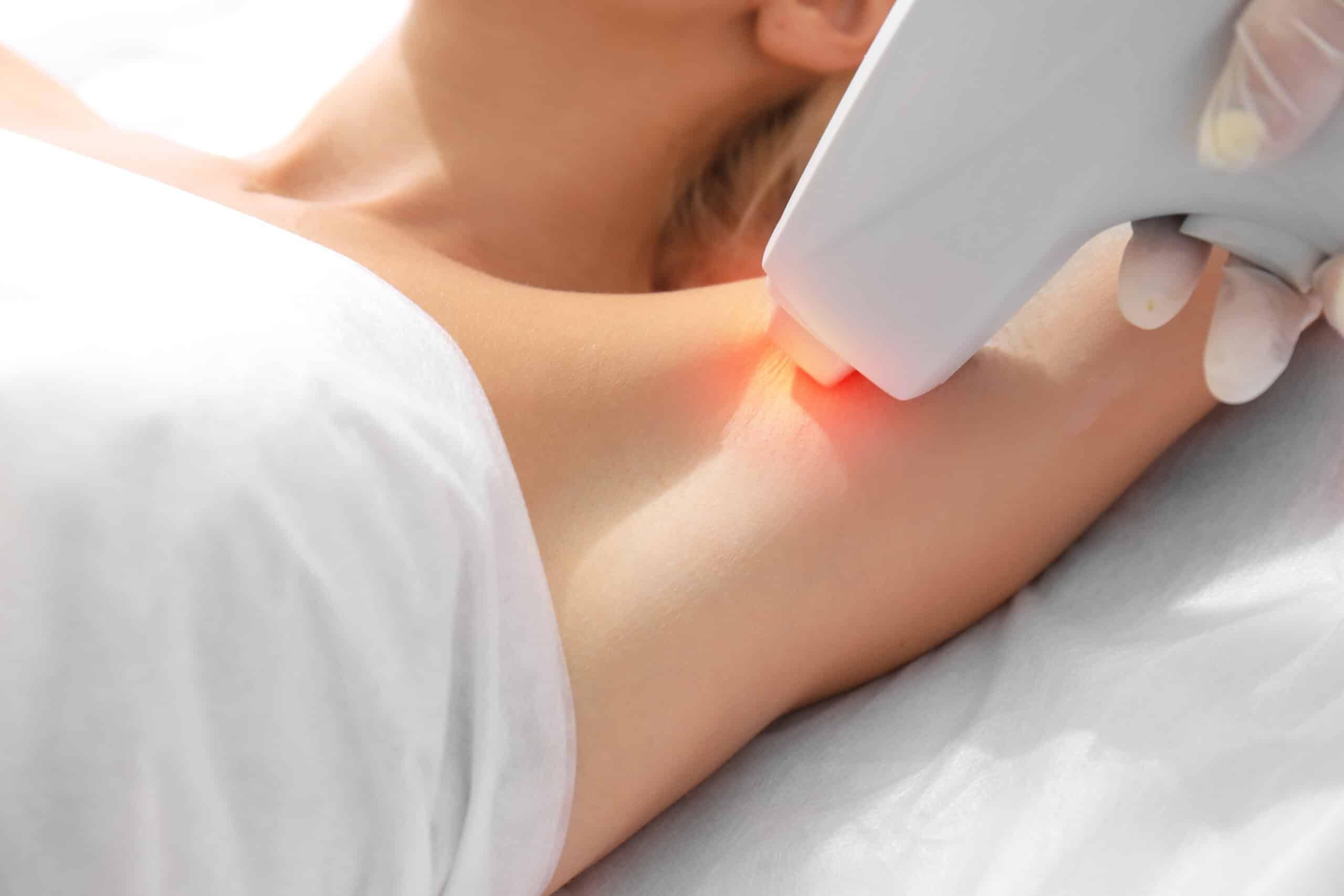
Laser hair removal is not a one-size-fits-all treatment. Different areas of the body have varying hair thickness, follicle depth, skin sensitivity, pigmentation, and growth patterns, so treatment settings and techniques may need to be adjusted accordingly. For people considering Laser Hair Removal In Islamabad, understanding why different body zones may require different approaches can help patients develop realistic expectations and better understand their treatment plan.
Why Laser Treatment Varies by Body Area
The skin and hair are not identical throughout the body.
Facial hair can be fine or coarse and may be influenced by hormones. Underarm and bikini-area hair is often darker and thicker, while hair on the arms may be finer.
The depth and size of hair follicles can also vary.
Because laser energy needs to target the hair while protecting surrounding skin, these differences can influence the choice of technology and treatment settings.
The Main Factors That Determine a Laser Approach
Several characteristics are considered before treating a particular body zone.
These can include:
- Hair thickness
- Hair color
- Hair density
- Follicle depth
- Skin tone
- Skin sensitivity
- Treatment area
- Hormonal influences
- Previous treatment response
A professional assessment helps determine how these factors interact and whether adjustments are necessary between different areas.
Facial Areas Require Careful Planning
The face is one of the most sensitive areas for laser hair removal.
Facial skin can be more delicate and may react differently from thicker skin on areas such as the legs. Facial hair can also vary considerably in thickness.
Hormonal influences can be particularly important around the chin, jawline, upper lip, and neck.
Because facial hair may respond differently, treatment parameters should be selected carefully according to the individual's skin and hair characteristics.
Underarms Have Different Hair Characteristics
Underarm hair is often relatively coarse and pigmented.
This can make it a strong target for laser energy, but the area also experiences friction, sweating, and regular movement.
The skin may therefore require appropriate cooling and aftercare.
The treatment approach may differ from facial treatment because the hair, skin thickness, and treatment environment are different.
Bikini and Intimate Areas
Bikini-area hair is commonly coarse and dense.
The skin can also be sensitive, and friction from clothing may contribute to irritation.
A professional needs to consider both the hair characteristics and the sensitivity of the area when selecting treatment settings.
Patients should follow specific preparation and aftercare instructions to minimize unnecessary irritation.
Legs May Need a Different Strategy
Leg hair can vary from relatively coarse to fine depending on the individual.
The treatment area is also considerably larger than the face or underarms.
Because a larger surface area is being treated, the treatment process may involve different considerations regarding coverage, comfort, and appointment duration.
Hair density can also vary between the thighs, calves, and lower legs.
Arms Often Have Finer Hair
Arm hair is frequently finer and lighter than hair in areas such as the underarms or bikini region.
Since laser energy targets pigment in the hair, fine or lightly pigmented hair may be more challenging to treat.
This does not mean treatment cannot be performed, but expectations should be based on the patient's actual hair characteristics.
Chest and Back Hair Can Be Dense
The chest and back can contain relatively large areas of hair with varying density.
Male chest and back hair may also be influenced by hormones and can differ substantially in thickness and distribution.
Treatment planning may therefore need to account for large surface areas as well as variations in hair density.
How Skin Tone Influences Treatment
Skin tone is an important consideration for every treatment area.
Laser energy is intended to target pigment in the hair, but surrounding skin also contains melanin.
For individuals with darker skin tones, careful selection of laser wavelength and settings may be particularly important.
The objective is to deliver effective energy to the hair while minimizing unnecessary absorption by the skin.
Hair Color Can Change the Treatment Response
Laser hair removal generally works best when the hair contains sufficient pigment.
Dark hair typically provides a stronger target than very light hair.
Grey, white, and some blonde or red hairs may respond less effectively to certain laser technologies because they contain less of the pigment that the laser targets.
A consultation can help determine whether the individual's hair characteristics are suitable for treatment.
Hair Thickness and Follicle Depth Matter
The physical characteristics of hair follicles can vary between body areas.
Coarse hair is often associated with larger follicular structures, while fine hair may come from smaller structures.
The depth of the follicle can also influence how laser energy interacts with the hair.
This is another reason why treatment parameters may need to be adjusted rather than applying exactly the same settings to every body zone.
Hormones Can Influence Certain Areas
Hormonal factors are especially relevant when treating facial hair.
Changes in hormone levels can stimulate hair growth or activate previously less noticeable follicles.
This can make areas such as the chin, jawline, and neck more resistant to treatment or more likely to require maintenance sessions.
Hormonal influences can also affect body hair patterns in some individuals.
Why Treatment Settings May Change
Laser settings may be adjusted based on the treatment area and the patient's response.
Relevant parameters can include:
- Wavelength
- Energy level
- Pulse duration
- Spot size
- Cooling
- Treatment frequency
The goal is to balance effective follicular targeting with appropriate protection of the surrounding skin.
Higher settings are not automatically better. The appropriate parameters depend on the individual.
Comparing Different Body Zones
| Body zone | Common hair characteristics | Key treatment consideration |
|---|---|---|
| Face | Fine to coarse, hormone-sensitive | Careful settings and skin protection |
| Underarms | Often dark and coarse | Friction and sensitivity |
| Bikini area | Dense and coarse | Sensitive skin and comfort |
| Legs | Variable thickness and density | Large treatment surface |
| Arms | Often finer hair | Lower pigment may affect response |
| Chest | Variable, sometimes coarse | Density and hormonal factors |
| Back | Can be dense and widespread | Coverage and hair distribution |
This comparison highlights why a customized approach can be more appropriate than identical settings for every area.
Why Multiple Sessions Are Necessary
Hair follicles grow through different stages.
Laser treatment is most effective when the hair is in an appropriate active growth phase. Since follicles are not synchronized, one session cannot effectively target every follicle.
Multiple sessions allow treatment to address additional follicles as they enter a more responsive stage.
The number of sessions required varies according to the treatment area, hair characteristics, skin tone, hormonal influences, and individual response.
What Happens During a Professional Consultation?
A consultation allows the provider to evaluate the area before treatment.
The assessment may include skin tone, hair color, hair thickness, density, previous hair-removal methods, sun exposure, and previous laser treatment.
The provider can then determine whether the chosen laser technology and treatment approach are appropriate.
A professional consultation is particularly important when multiple body zones are being treated because each area may require different considerations.
Preparing Different Body Zones for Treatment
Preparation instructions can vary.
Patients may be advised to shave certain areas before treatment while avoiding waxing and plucking because these methods remove the hair from the follicle.
Sun exposure may also need to be limited before treatment depending on the patient's skin type and the laser being used.
Following the provider's preparation instructions helps support a safer and more consistent treatment process.
Aftercare Depends on the Treatment Area
The skin may be temporarily warm, red, or sensitive after laser treatment.
Because different body zones experience different levels of friction and exposure, aftercare may need to be tailored accordingly.
Patients should follow the clinic's recommendations regarding skincare, sun protection, heat, exercise, and clothing after treatment.
Avoiding unnecessary irritation can help the treated skin recover.
FAQs About Different Laser Approaches
Why can't the same laser settings be used everywhere?
Different body areas have different hair thickness, density, follicle depth, skin characteristics, and sensitivity. Settings may therefore need to be adjusted.
Which body areas usually have thicker hair?
Underarms, bikini areas, and some facial or chest regions often have relatively coarse hair, although individual variation is significant.
Does skin tone affect laser treatment?
Yes. Skin pigmentation can influence laser selection and settings because the surrounding skin also contains melanin.
Why does facial hair sometimes require more treatment?
Facial hair can be influenced by hormones, and the hair characteristics may vary considerably between individuals.
Is fine hair harder to treat?
Fine hair can be more challenging because it may contain less pigment for the laser to target.
Can one body area respond faster than another?
Yes. Differences in hair growth cycles, thickness, pigmentation, and follicle characteristics can cause different response rates.
Are multiple sessions necessary?
Usually, yes. Hair follicles grow at different times, so multiple sessions are generally needed for broader hair reduction.
Can treatment settings change during a treatment course?
They may. A provider can reassess the patient's response and adjust the approach when appropriate.
Why Personalized Laser Treatment Matters
Different body zones require different considerations because the skin, hair, follicles, and growth patterns are not the same throughout the body. Facial areas may require careful attention to hormonal influences and sensitivity, while larger areas such as the legs, chest, or back may require different strategies for coverage and comfort.
A personalized treatment plan can take into account skin tone, hair pigmentation, follicle characteristics, treatment area, previous response, and individual goals. This approach can help make laser hair removal more predictable while prioritizing appropriate skin protection.
If you are considering treatment for one or multiple body areas, consulting a qualified team at Dynamic Aesthetic Clinic can help you understand how your skin and hair characteristics may influence the recommended laser approach and treatment plan.
- Managerial Effectiveness!
- Future and Predictions
- Motivatinal / Inspiring
- Fitness and Wellness
- Medical & Health
- Manufacturing
- Education
- Real-Estate
- Food Industry
- Hospitality
- Online Games
- Sports
- Home Services
- Civil Engineering
- Safety and Protection
- Software Products & Services
- Fashion and Jewellery
- Artificial Intelligence
- Entrepreneurship
- Mentoring & Guidance
- Marketing
- Networking
- HR & Recruiting
- Literature
- Shopping
- Career Management & Advancement