

 SkillClick
How does Retino AC Gel work on acne?
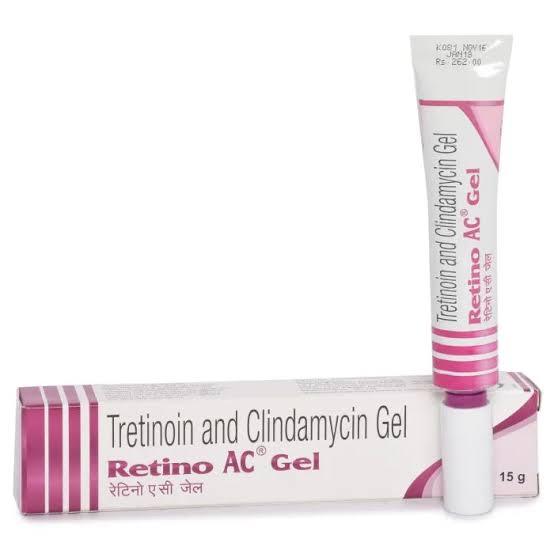
Retino AC Gel is a topical acne treatment commonly used to manage pimples, clogged pores, blackheads, and other acne-related skin concerns. Depending on the specific formulation, it may contain adapalene and clindamycin, although the exact ingredients should always be confirmed on the product packaging or prescription. Adapalene is a topical retinoid that helps regulate the growth of skin cells and prevents pores from becoming blocked, while clindamycin is an antibiotic that helps reduce acne-causing bacteria and inflammation. Together, these ingredients can address several factors involved in acne rather than simply drying out individual pimples.
How Does Retino AC Gel Help Unclog Pores?
One of the important ways Retino AC Gel can help acne is by preventing dead skin cells from accumulating inside hair follicles. When oil and dead skin cells combine, they can form plugs that lead to blackheads, whiteheads, and eventually inflamed pimples. Adapalene helps normalize the shedding of skin cells within the pores, making it less likely that these blockages will form. With consistent use, this can help reduce existing clogged pores and lower the chance of new acne lesions developing. Because this process takes time, noticeable improvement usually requires regular use rather than occasional application.
How Does Retino AC Gel Help Reduce Acne-Causing Bacteria?
If your particular Retino AC formulation contains clindamycin, the antibiotic component works against certain bacteria associated with inflammatory acne. It can reduce bacterial activity within the affected follicles and help decrease inflammation. This may be particularly useful for red, swollen, or pus-filled pimples. However, topical antibiotics should generally not be used indefinitely without medical supervision because inappropriate or prolonged antibiotic use can contribute to bacterial resistance. For this reason, doctors may combine clindamycin with a retinoid or another acne treatment rather than relying on an antibiotic alone.
How Does Retino AC Gel Reduce Inflammation?
Acne is not simply a problem of excess oil. Inflammation plays a major role in the development of red and swollen lesions. By helping keep pores clear and, when present, reducing bacterial activity, the ingredients in Retino AC Gel can address some of the processes that contribute to inflammation. Over time, this may make acne lesions less frequent and less noticeable. The response varies between individuals, and people with severe or cystic acne may require a different treatment approach from a dermatologist.
How Should Retino AC Gel Be Applied?
Retino AC Gel is generally applied as a thin layer to acne-prone skin, rather than using a large amount on individual pimples. Your healthcare professional may recommend applying it once daily, often in the evening, but the exact instructions depend on the formulation and your skin's tolerance. Before application, gently cleanse your face and allow the skin to dry. Using too much product will not make acne disappear faster and can increase dryness, redness, burning, and peeling.
Avoid applying the gel to the eyes, lips, inside the nose, cuts, or irritated skin. Wash your hands after application unless your hands are the treatment area. If significant irritation develops, speak with a healthcare professional rather than simply increasing or decreasing the treatment frequency on your own.
What Should You Expect When Starting Retino AC Gel?
Some people experience temporary dryness, redness, peeling, or mild irritation during the first few weeks. This does not necessarily mean the treatment is harming the skin, but severe irritation should not be ignored. Acne may also appear to worsen temporarily when starting a retinoid because previously developing lesions can become visible more quickly.
Improvement generally takes several weeks, and continued treatment may be needed to maintain results. Acne treatment works gradually because it influences the processes that cause new lesions rather than instantly removing every existing blemish.
How Is Retino AC Gel Different From Ordinary Acne Creams?
Not all acne products work in the same way. Many over-the-counter products focus on removing excess oil, exfoliating the skin, or reducing surface bacteria. A retinoid-based treatment works deeper within the process of pore formation by regulating skin-cell turnover.
If Retino AC contains clindamycin, it also provides antibacterial action. This combination can make it different from a simple moisturizer, cleanser, or single-ingredient acne product. However, stronger treatment is not always better. The most suitable product depends on the type and severity of acne and the individual's skin sensitivity.
Can Retino AC Gel Help With Blackheads and Whiteheads?
Yes, the adapalene component in formulations containing adapalene can be particularly useful for comedonal acne, which includes blackheads and whiteheads. By helping normalize skin-cell shedding inside the pores, it reduces the formation of plugs.
Results are gradual, so consistent application is more important than applying a large quantity. Picking or squeezing blackheads can damage the skin and increase the risk of inflammation and scarring.
Can Retino AC Gel Help With Red Pimples?
It may help with inflammatory acne, particularly when the formulation contains both adapalene and clindamycin. Adapalene helps prevent clogged pores and regulate cell turnover, while clindamycin can reduce certain acne-associated bacteria and inflammation.
However, large, painful, deep or cystic lesions may require additional treatment. If acne is leaving scars or repeatedly returning despite treatment, a dermatologist can assess whether another approach is needed.
Can You Use Other Skincare Products With Retino AC Gel?
A simple skincare routine is usually easier to tolerate while using a topical retinoid. A gentle cleanser, non-comedogenic moisturizer, and broad-spectrum sunscreen can help support the skin barrier.
Be cautious about combining Retino AC Gel with several potentially irritating products at the same time, such as strong exfoliating acids, abrasive scrubs, or other retinoids. Introducing multiple active ingredients simultaneously can make it difficult to identify what is causing irritation.
Why Is Sunscreen Important During Acne Treatment?
Some acne treatments can make skin more sensitive or irritated, and sun exposure can worsen discoloration left behind after acne. Daily use of a broad-spectrum SPF 30 or higher can help protect the skin.
Sunscreen is particularly helpful for people who develop dark marks after pimples heal. Choose a product that is comfortable for your skin and labeled non-comedogenic if you are prone to clogged pores.
What Side Effects Can Retino AC Gel Cause?
Possible side effects depend on the ingredients in the specific formulation. With adapalene-containing products, common effects include:
- Dryness
- Peeling
- Redness
- Mild burning or stinging
- Increased skin sensitivity
Clindamycin-containing formulations can also occasionally cause irritation or other reactions. Severe swelling, blistering, significant burning, or an allergic reaction requires prompt medical advice.
Who Should Ask a Doctor Before Using Retino AC Gel?
Talk with a healthcare professional before using the product if you are pregnant, planning pregnancy, breastfeeding, have very sensitive or damaged skin, or are using other prescription acne medicines.
It is also important to tell your healthcare provider about all skincare products and medications you currently use. The exact ingredients and strength of Retino AC Gel matter when determining whether it is appropriate for you.
Can Retino AC Gel Be Used for a Long Time?
The appropriate treatment duration depends on the formulation and your acne. Retinoids can sometimes be used for longer-term acne control, while topical antibiotics such as clindamycin generally require more careful duration planning because of antibiotic resistance.
Your dermatologist or healthcare provider can decide how long treatment should continue and whether the medication should eventually be changed or stopped.
What Mistakes Should You Avoid While Using Retino AC Gel?
Some common mistakes can make acne treatment harder to tolerate:
- Applying too much gel
- Using it more frequently than prescribed
- Scrubbing the skin aggressively
- Picking or squeezing pimples
- Combining several irritating active ingredients
- Skipping moisturizer when the skin becomes dry
- Forgetting sunscreen
- Stopping treatment after only a few days because results are not immediate
A consistent, gentle routine usually works better than repeatedly changing products.
When Should You See a Dermatologist?
You should consider professional advice if acne is severe, painful, widespread, leaving scars, or not improving after an appropriate treatment period. A dermatologist can determine whether the acne is primarily comedonal, inflammatory, hormonal, or related to another condition.
Medical advice is also important if you experience severe irritation or an unexpected reaction after applying Retino AC Gel.
Frequently Asked Questions About Retino AC Gel
Can Retino AC Gel remove acne overnight?
No. Acne treatment usually takes several weeks to produce noticeable improvement. Consistent use is important.
Can Retino AC Gel prevent new pimples?
If it contains adapalene, it can help prevent clogged pores and therefore reduce the formation of new acne lesions over time.
Can I apply more gel for faster results?
No. Applying extra product does not make acne clear faster and may increase irritation.
Can I use Retino AC Gel with moisturizer?
Generally, a gentle, non-comedogenic moisturizer can help reduce dryness and support the skin barrier. Follow your healthcare professional's instructions.
Is sunscreen necessary while using Retino AC Gel?
Daily sunscreen is recommended as part of good acne skincare, particularly because irritation and sun exposure can worsen post-acne dark marks.
Does Retino AC Gel work for every type of acne?
No single acne treatment works equally well for everyone. Severe cystic or scarring acne may require additional or different treatment.
What Is the Bottom Line About Retino AC Gel?
Retino AC Gel can help manage acne by addressing blocked pores, abnormal skin-cell buildup, inflammation, and—when the formulation contains clindamycin—certain acne-associated bacteria. Its effects are gradual, so regular use according to professional instructions is more important than applying large amounts.
- Managerial Effectiveness!
- Future and Predictions
- Motivatinal / Inspiring
- Fitness and Wellness
- Medical & Health
- Manufacturing
- Éducation
- Real-Estate
- Food Industry
- Hospitality
- Online Games
- Sports
- Home Services
- Civil Engineering
- Safety and Protection
- Software Products & Services
- Fashion and Jewellery
- Artificial Intelligence
- Entrepreneurship
- Mentoring & Guidance
- Marketing
- Networking
- HR & Recruiting
- Literature
- Shopping
- Career Management & Advancement