

 SkillClick
What to Look for in Halal Catering Before You Book
Key Takeaways
-
Halal certification and sourcing practices should be confirmed directly with a caterer rather than assumed from a restaurant's general reputation.
-
A caterer that serves 100 percent halal food is making a specific, checkable claim, and it is reasonable to ask how that standard is maintained.
-
Cross contact risk can still exist even in kitchens that take allergies and dietary restrictions seriously, so communicating restrictions early matters.
-
Full service halal catering usually includes structured menu components such as sides, breads, and sauces rather than a single main dish alone.
-
Event type and guest count affect how a halal caterer plans preparation, staffing, and timing.
-
Service charges are sometimes built into the final bill automatically, which is worth confirming before finalizing any quote.
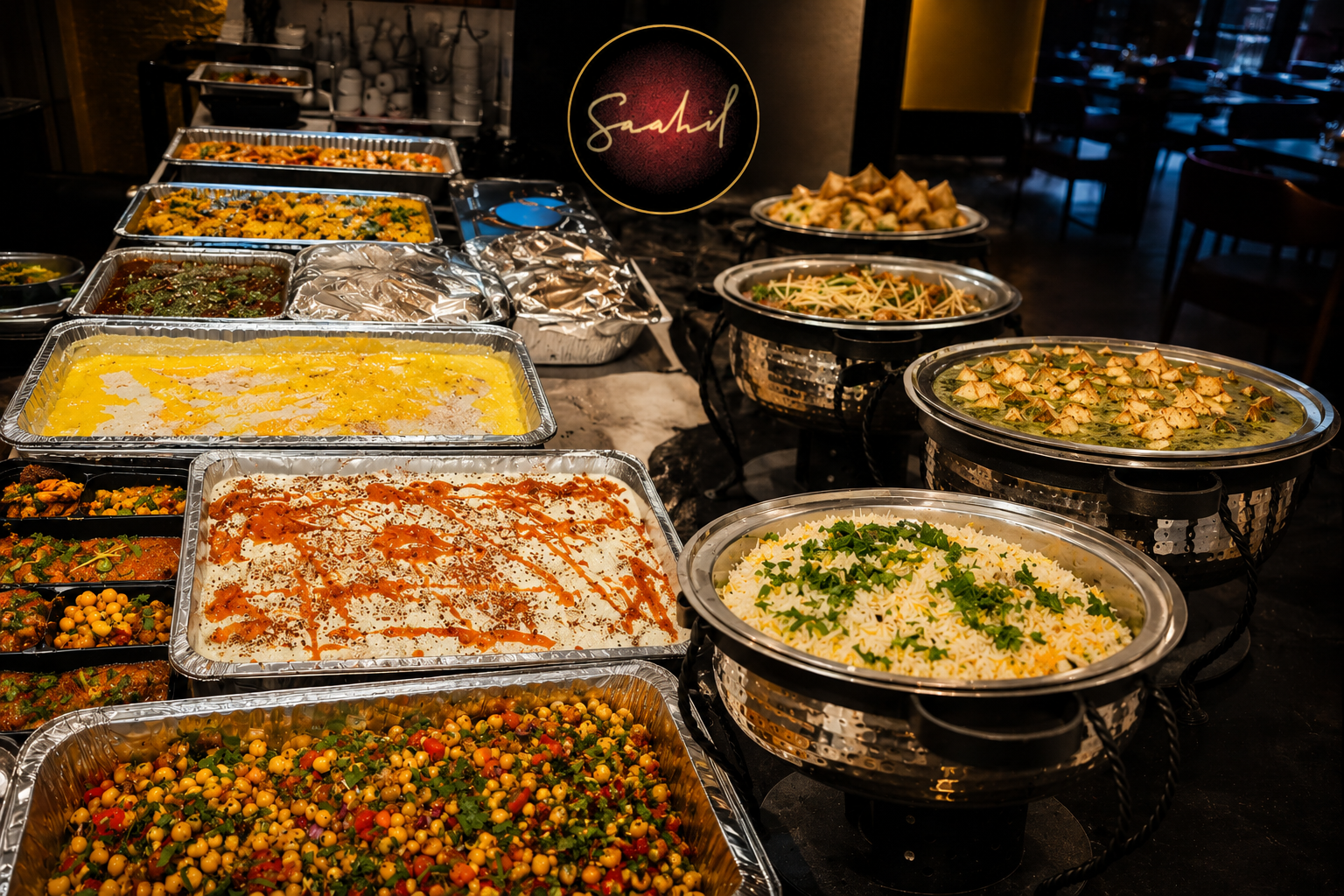
Food is one of the few parts of an event that guests actually remember weeks later, long after the decorations and playlists are forgotten, and for many families that memory depends heavily on whether the meal met their dietary and religious expectations. Trusting a caterer with something as personal as halal standards involves more than reading a label on a website, since the word can be applied loosely by providers without full certification or consistent sourcing behind it. This is exactly why it helps to understand what a genuine claim of halal catering should actually include before committing to a provider for a wedding, corporate event, or family celebration. Saahil Restaurant, based in Sterling, Virginia, serves 100 percent halal Pakistani cuisine across weddings, corporate gatherings, and private functions, which makes it a useful reference point for understanding what questions matter most.
What Does a Genuine Halal Claim Actually Involve?
A genuine halal claim involves consistent sourcing and preparation practices that meet religious dietary requirements throughout the entire process, not just in how a dish is labeled on a menu. This generally includes how meat is sourced, how it is prepared, and how kitchen processes avoid cross contact with non halal ingredients. A caterer stating that all meat served is 100 percent halal is making a specific, checkable claim, and customers are well within reason to ask directly how that standard is upheld, particularly for larger events where guests may include extended family or community members with strict expectations.
Why Should Customers Verify Rather Than Assume?
Verifying halal standards directly matters because assumptions based on a restaurant's name, cuisine type, or general reputation are not the same as confirmed practice. Some establishments may serve halal options selectively rather than maintaining halal standards across their entire menu, which can create confusion at events where every dish is expected to meet the same requirement. Asking specific questions, such as how meat is sourced and whether the full menu is halal rather than just select items, helps avoid misunderstandings that are difficult to resolve once an event is already underway.
What About Allergies and Cross Contact Risk
Even kitchens that take dietary restrictions seriously can carry some risk of cross contact with allergens, which is separate from halal considerations but equally important to communicate early. Letting a caterer know about allergies or dietary restrictions well before the event gives the kitchen time to plan around them, rather than trying to accommodate last minute requests on the day of service.
How Is a Full Service Halal Catering Menu Usually Structured?
A complete halal catering menu typically includes more than a single protein dish, incorporating sides, breads, and sauces that round out the meal rather than existing as optional extras. Seasonal salads, freshly made naan, and signature chutney pairings are common components that accompany main courses, adding both variety and balance across a buffet or plated setup. Customers should ask whether these elements are included as part of the standard package, since this affects both the completeness of the meal and the overall cost.
How Does Event Type Affect Halal Catering Planning?
Event type plays a significant role in how a halal caterer plans preparation, staffing, and service timing. Corporate events, such as breakfast meetings or midday lunch gatherings, generally require food that arrives polished and ready quickly within a tighter schedule. Weddings and larger celebrations, particularly those with 100 or more guests, require more advanced planning around scaling recipes consistently and managing timing so food maintains quality throughout service. Understanding a caterer's experience with the specific type and size of event being planned helps set realistic expectations for both food quality and service flow.
What Should Customers Consider Before Booking?
Before booking halal catering, it helps to confirm a few practical details rather than relying on general reputation alone. Ask directly how meat is sourced and whether the entire menu, not just select dishes, meets halal standards. Communicate allergies and dietary restrictions early so the kitchen has time to plan accordingly. Confirm whether sides, breads, and sauces are included as standard components of the package. Finally, ask whether a service charge is automatically included in the final bill, since this affects overall budget planning.
Expert Insights
Caterers experienced with halal events generally treat certification and sourcing as something to state clearly upfront rather than leaving customers to assume. One point worth understanding is that chefs with backgrounds in fine dining often bring more refined plating and presentation to traditional dishes, which can change how familiar recipes are perceived at a formal event without changing the underlying halal standards. Another consideration professionals raise is that consistency matters as much as the initial claim, since maintaining halal standards across every dish on a large event menu requires deliberate kitchen processes rather than occasional attention.
Industry Best Practices
Caterers that handle halal events well tend to follow a few consistent standards. Clearly stating halal sourcing and preparation practices rather than leaving them unstated or implied. Structuring menus to include sides, breads, and accompaniments as part of a complete offering. Communicating any service charges upfront so customers are not surprised by the final bill. Asking about allergies and dietary restrictions early in the planning process. Scaling recipes and staffing appropriately based on guest count and event type.
Common Mistakes
A common mistake customers make is assuming halal standards apply to an entire menu without confirming it directly, which can create issues if the caterer only offers halal options selectively. Another frequent mistake is waiting until close to the event date to communicate allergies or dietary restrictions, leaving the kitchen little time to plan accordingly. On the evaluation side, some customers judge a caterer based on a single dish tasting rather than asking about their experience with the specific type and scale of event being planned. Overlooking service charges until the final bill is another common issue that affects budget planning late in the process.
Buying Considerations
When comparing halal catering options, it helps to weigh a few factors together. Halal sourcing and preparation practices should be confirmed directly rather than assumed. Menu completeness matters, including whether sides, breads, and sauces are included as standard. Experience with the specific event type and guest count affects both food quality and service smoothness. Service charges and how they appear on the final bill should be clarified early. Allergy and dietary restriction communication should happen as early in the process as possible.
Read More
Customers exploring how different event types are handled, from corporate breakfasts to large wedding celebrations, may also find it useful to look at how catering menus are adjusted by occasion, a topic covered in more detail across Saahil Restaurant's catering offerings.
Final Thoughts
Trusting a halal claim comes down to asking direct questions rather than assuming standards based on reputation alone, including how meat is sourced, whether the full menu meets halal requirements, and how allergies are handled. Saahil Restaurant, based in Sterling, Virginia, serves 100 percent halal Pakistani cuisine across weddings, corporate events, and private functions, reflecting the kind of consistency that halal conscious customers look for. For customers in Sterling, Northern Virginia, and the wider DC area, understanding what to verify before booking makes the planning process considerably more predictable.
FAQ
How can customers confirm that a caterer's halal claim is accurate?
Customers should ask directly how meat is sourced and prepared, and whether halal standards apply to the entire menu rather than select dishes only. This is more reliable than assuming based on a restaurant's name or general reputation.
Does halal catering typically include more than just the main dish?
Yes, a complete halal catering menu usually includes sides, breads, and sauces such as salads, naan, and chutneys alongside the main course. Customers should confirm whether these are part of the standard package before booking.
Is there still a risk of cross contact in kitchens that serve halal food?
Some risk of cross contact with allergens can exist even in kitchens that take dietary restrictions seriously, since halal standards and allergen management are separate considerations. Communicating allergies early gives the kitchen time to plan accordingly.
How does event size affect halal catering planning?
Larger events, such as weddings with 100 or more guests, require more advanced planning around scaling recipes and managing timing compared to smaller gatherings. Caterers experienced with events of a similar size are generally better equipped to maintain consistency.
What should customers in Sterling and Northern Virginia know before booking halal catering?
Customers in Sterling and the wider Northern Virginia and DC area have access to caterers such as Saahil Restaurant that serve 100 percent halal Pakistani cuisine across weddings, corporate events, and private functions. Confirming sourcing practices and menu structure beforehand helps set clear expectations for the event.
- Managerial Effectiveness!
- Future and Predictions
- Motivatinal / Inspiring
- Fitness and Wellness
- Medical & Health
- Manufacturing
- Education
- Real-Estate
- Food Industry
- Hospitality
- Online Games
- Sports
- Home Services
- Civil Engineering
- Safety and Protection
- Software Products & Services
- Fashion and Jewellery
- Artificial Intelligence
- Entrepreneurship
- Mentoring & Guidance
- Marketing
- Networking
- HR & Recruiting
- Literature
- Shopping
- Career Management & Advancement