

 SkillClick
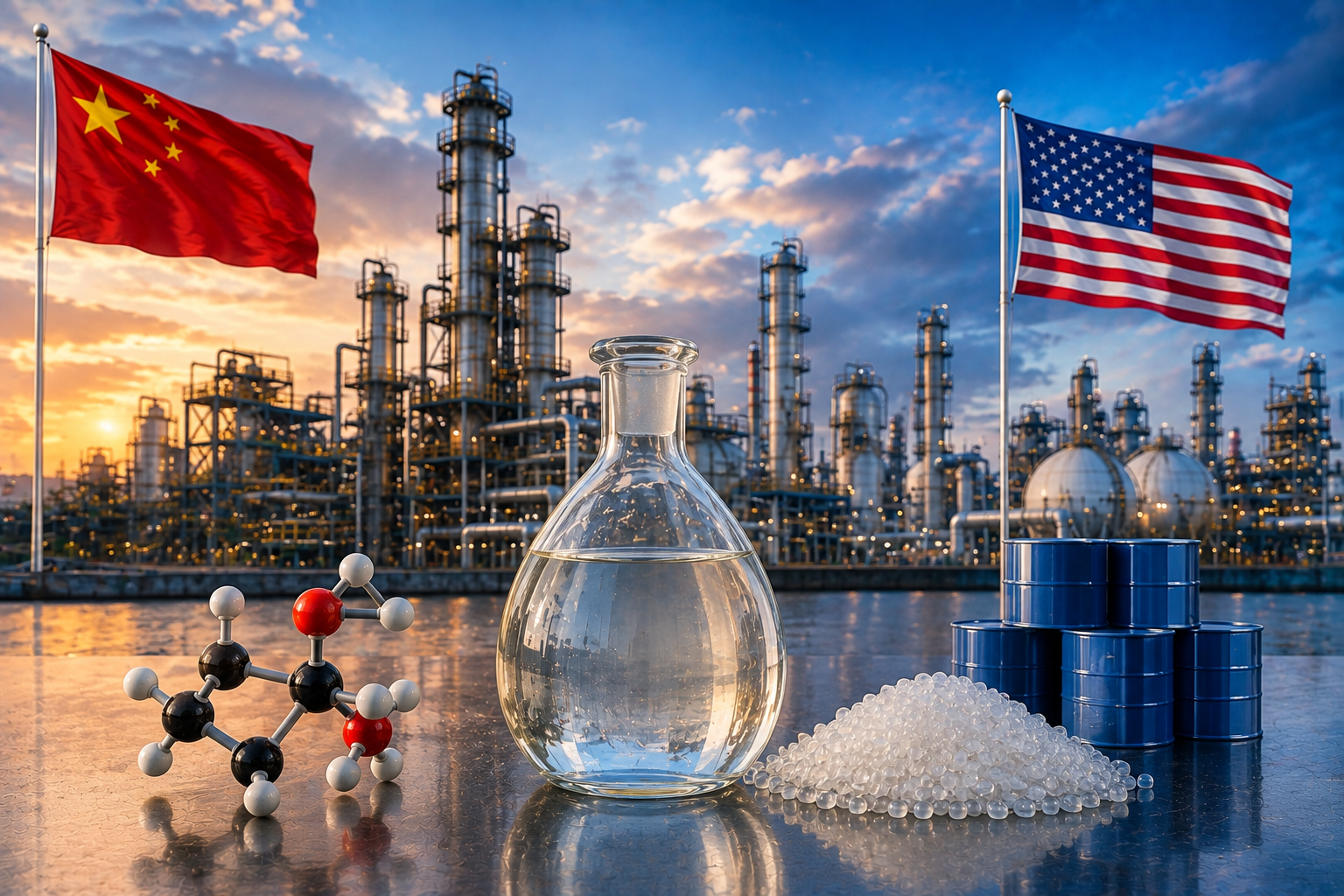
Propylene Oxide Price Trend Q2 2026: China and USA Rates Compared
Two markets, two very different price points. That's the propylene oxide price trend right now. China's sitting at USD 1,431.75/MT on an FOB basis for May 2026. The USA is quoting USD 1,550.94/MT, CIF. A gap of over USD 119 per ton between them — and it's not an accident.
Propylene oxide doesn't get talked about outside the industry much, but it should. It's the feedstock behind polyurethane foams, propylene glycol, and a chunk of the automotive and construction supply chain. Furniture cushioning. Insulation. Antifreeze. All of it traces back to PO pricing at some point.
Propylene Oxide Prices: China vs USA
Numbers first.
| Product | Region | Incoterm Basis | Price | Last Updated |
|---|---|---|---|---|
| Propylene Oxide | China | FOB | USD 1,431.75/MT | May 2026 |
| Propylene Oxide | USA | CIF | USD 1,550.94/MT | May 2026 |
USD 119.19 separates the two. That's not small change once you're buying at scale.
Quick breakdown before anyone draws the wrong conclusion:
- China's FOB price covers the product loaded at the origin port. Freight and insurance? Not included. Buyer handles that separately.
- The USA figure is CIF — freight and insurance already rolled into the number.
- Both are May 2026 readings. Snapshots, not trendlines. PO can move fast on feedstock news.
Comparing FOB straight to CIF stretches the picture a bit. Part of that USD 119 gap is simply the shipping and insurance cost sitting inside the US number and not the Chinese one. Still tells you something real about where landed costs land.
What Pushes Propylene Oxide Prices Around
Ask five people in the industry what moves PO pricing and you'll get five overlapping answers. Here's the short version.
Propylene availability. PO comes from propylene, and propylene tracks crude oil and naphtha cracking margins closely. Tight propylene supply, higher PO cost. Simple as that.
Production route. Chlorohydrin, HPPO, co-product — the method matters. Some routes cost more to run, and producers price accordingly depending on which technology dominates a given region's output.
Regional capacity. China's built out enormous PO capacity over the past decade, much of it domestic-facing. The US market leans more on established plants tied to derivatives like polyols, and capacity additions there haven't kept the same pace.
Freight markets. Ocean freight rates swing hard sometimes. A busy shipping season alone can widen or shrink the China-USA spread without either country's production cost changing at all.
Buyer Questions, Answered Straight
Is China's lower price actually cheaper once you land it in the US?
Not always. Add freight, insurance, tariffs where they apply, and China's FOB advantage shrinks — sometimes disappears entirely. Depends heavily on the shipping lane and contract terms negotiated.
Why does the USA run CIF instead of FOB here?
Different trade convention, mostly. CIF pricing is common for buyers who want landed cost visibility upfront rather than negotiating freight separately after the fact.
Does this price gap tell us anything about supply risk?
A little. Import-heavy buyers exposed to one region face more volatility if that region hits a supply disruption. Diversified sourcing tends to smooth that out over time.
What Buyers and Investors Should Do With This
Sourcing teams comparing China and USA supply have real decisions to make here. China's FOB number looks cheap on the surface. Landed cost tells a fuller story once freight, insurance, and lead time get factored in.
Investors watching polyurethane and propylene glycol markets should treat PO pricing as an early signal. Foam producers, automotive suppliers, antifreeze manufacturers — margin pressure shows up for them a few weeks after PO moves, not immediately.
Procurement teams negotiating new contracts right now have leverage worth using. Locking in volume commitments while the spread sits where it is could hedge against a tightening later in the quarter.
Where This Heads in Q2 2026
Guessing exact numbers months out is a fool's game. But the structural picture gives some direction.
China's capacity buildout suggests its FOB pricing stays relatively competitive through Q2, barring a major feedstock spike. The USA side depends more on how freight markets behave and whether domestic capacity additions come online as planned.
Buyers sitting on old contracts based on outdated pricing are taking on unnecessary risk. Propylene oxide moves fast enough that treating May 2026 numbers as fixed for the quarter would be a mistake.
Conclusion
The propylene oxide price trend for Q2 2026 puts China at USD 1,431.75/MT FOB and the USA at USD 1,550.94/MT CIF, both figures from May 2026. Freight, insurance, and regional capacity explain most of that USD 119 gap — not random market noise. Anyone sourcing PO, or watching downstream polyurethane and propylene glycol markets, needs this data current. Old numbers make for bad contracts.
FAQ Section
What is the current propylene oxide price trend between China and the USA?
China's propylene oxide is priced at USD 1,431.75/MT FOB, while the USA sits at USD 1,550.94/MT CIF, both as of May 2026. The gap reflects incoterm differences, freight costs, and each region's production capacity rather than a straightforward cost comparison.
Why is the USA propylene oxide price higher than China's?
The USA figure is CIF, meaning freight and insurance are already included. China's FOB price excludes both. Add in the USA's slower capacity growth compared to China's large domestic buildout, and the higher landed price makes sense.
What factors drive propylene oxide pricing the most?
Propylene availability sits at the top, since PO is made from it directly. Production route, regional capacity, and freight rates matter too. Tight propylene supply or a freight spike can shift PO prices within days, not months.
How volatile is propylene oxide pricing typically?
Fairly volatile. PO tracks propylene and crude oil movements closely, so prices can shift weekly. The May 2026 figures work as a benchmark, but buyers negotiating contracts should pull fresh pricing rather than relying on month-old numbers.
What's the outlook for propylene oxide prices in Q2 2026?
China's pricing likely stays competitive given its capacity growth, barring a feedstock shock. The USA's trajectory depends more on freight conditions and whether planned capacity additions materialize on schedule. Expect the current spread to persist, though not guaranteed.