

 SkillClick
Can Dry Scalp Cause Hair Loss? Understanding the Real Connection
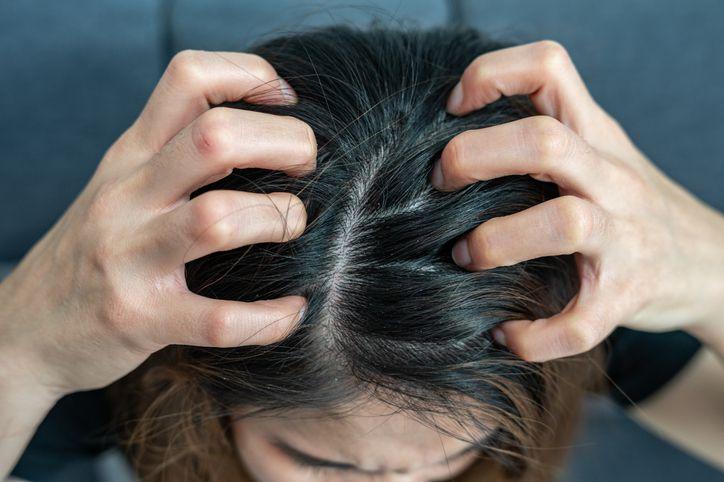
Hair health has become one of the most searched beauty and wellness topics in recent years. From hair thinning and shedding to scalp irritation and flakes, people are increasingly looking for answers about what causes hair problems and how they can be prevented. Among the many concerns people face, dry scalp remains one of the most misunderstood conditions. Many individuals notice flakes, itching, irritation, and eventually excessive shedding, which naturally leads them to ask an important question: can a dry scalp actually lead to hair loss?
The truth is that scalp health and hair health are closely connected. A healthy scalp creates the ideal environment for strong hair growth, while an unhealthy scalp can interfere with the hair growth cycle. Although dry scalp itself may not directly destroy hair follicles permanently, it can contribute to several conditions that weaken the hair, increase breakage, and trigger temporary shedding.
Understanding the relationship between dry scalp and hair problems is important for anyone who wants healthier, thicker, and stronger hair. In this article, we will explore the causes of dry scalp, how it affects the scalp environment, whether it can contribute to hair thinning, and the most effective ways to restore scalp balance naturally.
What Is Dry Scalp?
Dry scalp occurs when the scalp does not produce enough natural oils to maintain proper moisture levels. Just like the skin on other parts of the body, the scalp requires hydration and protection to stay healthy. When moisture levels drop, the scalp may become irritated, flaky, itchy, and sensitive.
Many people confuse dry scalp with dandruff because both conditions can produce flakes. However, they are not the same thing. Dry scalp flakes are usually small, white, and dry, while dandruff flakes are often larger and associated with excess oil production and fungal imbalance.
Several factors can contribute to scalp dryness, including:
-
Cold weather and low humidity
-
Excessive shampooing
-
Harsh hair care products
-
Hot water exposure
-
Dehydration
-
Nutritional deficiencies
-
Skin conditions such as eczema or psoriasis
-
Frequent heat styling
-
Aging and reduced oil production
When the scalp barrier becomes compromised, irritation and inflammation can increase, affecting the overall condition of the hair.
The Connection Between Scalp Health and Hair Growth
Hair grows from follicles located beneath the surface of the scalp. These follicles rely on proper blood circulation, balanced oil production, oxygen, and nutrients to function efficiently. When the scalp becomes unhealthy or inflamed, the follicles may struggle to maintain optimal hair growth.
A dry and irritated scalp can create discomfort that encourages scratching, friction, and inflammation. Over time, this irritation may weaken the hair roots and contribute to shedding. In severe cases, chronic scalp inflammation can interrupt the natural growth cycle of hair.
This is why experts often emphasize that healthy hair begins with a healthy scalp. Even premium shampoos, serums, and oils may not provide lasting benefits if the scalp environment remains compromised.
Can Dry Scalp Cause Hair Loss?
The short answer is yes, but usually indirectly. A dry scalp does not always lead to permanent baldness, but it can contribute to increased shedding and weakened hair.
When the scalp becomes excessively dry, people often experience itching and irritation. Constant scratching can damage the scalp surface and weaken hair strands near the root. This repeated trauma may cause temporary hair fall over time.
Additionally, inflammation linked to severe dryness can interfere with the normal hair growth cycle. Hair follicles thrive in a balanced environment, and chronic irritation may push follicles into a resting phase prematurely.
Another important factor is breakage. Dry scalp often goes hand in hand with dry hair. Hair strands lacking moisture become brittle, fragile, and more prone to snapping. Many people mistake this breakage for actual hair loss.
The relationship between dry scalp hair loss is therefore more connected than many people realize. While the condition may not permanently damage follicles in most cases, ignoring scalp health for extended periods can worsen shedding and reduce overall hair density.
Common Symptoms That Indicate Scalp Dryness
Identifying dry scalp early can help prevent further irritation and hair complications. Some of the most common symptoms include:
Persistent Itching
One of the earliest signs of dry scalp is constant itching. The lack of moisture causes irritation, making the scalp feel tight and uncomfortable.
Small White Flakes
Unlike oily dandruff flakes, dry scalp flakes are usually lightweight, white, and powdery.
Tightness and Sensitivity
A dehydrated scalp may feel unusually tight, especially after washing hair.
Increased Hair Shedding
People experiencing scalp irritation may notice more strands in the shower, on pillows, or in hairbrushes.
Dull and Brittle Hair
Dry scalp often affects the quality of the hair itself, leading to rough texture and increased breakage.
Recognizing these signs early allows individuals to adjust their hair care routine before the condition worsens.
Causes of Dry Scalp and Hair Problems
Understanding the root cause of scalp dryness is essential for effective treatment. Several everyday habits and environmental factors may contribute to both scalp irritation and hair thinning.
Overwashing the Hair
Frequent shampooing strips the scalp of its natural oils. Many shampoos contain sulfates and harsh cleansing agents that remove moisture from both the scalp and hair.
Hot Water Exposure
Hot showers may feel relaxing, but they can weaken the scalp barrier and increase dryness.
Weather Changes
Cold air and indoor heating during winter months significantly reduce humidity levels, making scalp dryness more common.
Poor Diet
Deficiencies in vitamins, healthy fats, zinc, and iron may affect scalp health and hair growth.
Stress
Chronic stress can disrupt hormone balance, contribute to inflammation, and worsen scalp conditions.
Excessive Styling Products
Hair sprays, gels, and heat styling tools may irritate the scalp and increase moisture loss.
Many individuals dealing with dry scalp and hair loss fail to realize that lifestyle habits often play a major role in the condition.
How Dry Scalp Differs From Dandruff
Because the symptoms can appear similar, many people use anti-dandruff products when they actually have dry scalp. Unfortunately, this may worsen the problem.
Dandruff is usually associated with excess oil, fungal overgrowth, and larger greasy flakes. Dry scalp, on the other hand, is caused by lack of moisture.
Using strong dandruff shampoos on a dry scalp may strip even more natural oils from the skin, increasing irritation and discomfort.
Understanding the difference is important because proper treatment depends on identifying the correct condition.
Best Treatments for Dry Scalp
Treating dry scalp effectively requires restoring moisture, reducing irritation, and supporting scalp health naturally.
Use a Gentle Shampoo
Switching to a sulfate-free and hydrating shampoo can make a significant difference. Look for ingredients such as aloe vera, glycerin, oatmeal, or hyaluronic acid.
Avoid Overwashing
Washing hair too frequently can remove protective oils. Most people benefit from washing their hair two to three times per week rather than daily.
Apply Scalp Oils
Natural oils such as coconut oil, argan oil, jojoba oil, and tea tree oil may help soothe dryness and improve scalp hydration.
Stay Hydrated
Internal hydration matters just as much as external care. Drinking enough water supports skin and scalp moisture levels.
Reduce Heat Styling
Limiting blow dryers, straighteners, and curling irons helps prevent further moisture loss.
Improve Nutrition
A balanced diet rich in omega-3 fatty acids, vitamins, proteins, and minerals supports both scalp and hair health.
Manage Stress
Relaxation techniques such as exercise, meditation, and quality sleep may help reduce stress-related scalp issues.
Consistency is key when treating scalp dryness. Results often take several weeks, especially if the scalp has been irritated for a long time.
Ingredients That Help Restore Scalp Health
Modern hair care products increasingly focus on scalp wellness. Some ingredients are particularly beneficial for soothing dry and irritated scalps.
Aloe Vera
Aloe vera is known for its calming and hydrating properties. It can reduce itching and irritation while helping restore moisture.
Coconut Oil
Coconut oil penetrates the hair shaft and helps reduce protein loss, making it valuable for both scalp hydration and hair strength.
Niacinamide
This ingredient supports the scalp barrier and helps reduce inflammation.
Hyaluronic Acid
Often used in skincare, hyaluronic acid attracts moisture and helps keep the scalp hydrated.
Tea Tree Oil
Tea tree oil offers antimicrobial benefits and may help soothe irritated scalp conditions when used properly.
Using products with these ingredients may improve both scalp comfort and overall hair appearance.
Can Dry Scalp Lead to Permanent Hair Loss?
In most cases, dry scalp does not directly cause permanent baldness. Temporary shedding related to irritation or inflammation usually improves once scalp health is restored.
However, severe untreated scalp conditions can create chronic inflammation that may worsen existing hair problems. People who already have genetic hair thinning may notice more visible shedding when scalp health declines.
This is why early treatment is important. Addressing dryness before it becomes severe helps protect the scalp environment and supports healthier hair growth.
If hair shedding continues for several months despite improving scalp care, consulting a dermatologist or trichologist may help identify underlying causes such as hormonal imbalances, nutritional deficiencies, autoimmune conditions, or other scalp disorders.
Natural Home Remedies for Dry Scalp
Many people prefer natural solutions to improve scalp hydration and reduce irritation.
Coconut Oil Massage
Applying warm coconut oil to the scalp for 20 to 30 minutes before washing may help lock in moisture.
Aloe Vera Gel
Pure aloe vera gel can soothe itching and calm inflammation.
Apple Cider Vinegar Rinse
Diluted apple cider vinegar may help balance scalp pH and remove product buildup.
Oatmeal Scalp Mask
Oatmeal has soothing properties that may reduce dryness and itching.
Honey and Yogurt Treatment
Honey acts as a natural humectant while yogurt contains nutrients that support scalp hydration.
Although home remedies can provide relief, they should be used carefully and consistently.
Preventing Future Scalp Dryness
Preventing dry scalp is often easier than treating severe irritation later. A few simple lifestyle changes can significantly improve scalp health over time.
-
Use lukewarm water instead of hot water
-
Avoid harsh shampoos with sulfates and alcohol
-
Protect hair from extreme weather
-
Maintain a balanced diet
-
Stay hydrated daily
-
Avoid excessive scratching
-
Reduce chemical treatments and heat styling
-
Choose scalp-friendly hair care products
Long-term scalp care plays a major role in maintaining strong, healthy hair.
Final Thoughts
Dry scalp is more than just a cosmetic inconvenience. While many people dismiss flakes and itching as minor issues, ongoing scalp dryness can contribute to irritation, inflammation, breakage, and increased hair shedding. The connection between scalp health and hair quality is stronger than most people realize.
Although dry scalp rarely causes permanent hair loss on its own, it can create an unhealthy environment that weakens hair and disrupts normal growth patterns. Fortunately, with proper scalp care, hydration, nutrition, and gentle hair routines, most people can significantly improve both scalp comfort and hair strength.
Understanding the causes of dry scalp hair loss helps individuals make informed decisions about their hair care routine rather than relying on harsh products that may worsen the problem. Taking care of the scalp should be viewed as an essential part of overall hair wellness.
As awareness around scalp health continues to grow, more people are beginning to realize that healthy, beautiful hair starts beneath the surface. By prioritizing scalp hydration and maintaining a balanced routine, individuals can protect their hair, reduce unnecessary shedding, and support stronger growth for the long term.
- Managerial Effectiveness!
- Future and Predictions
- Motivatinal / Inspiring
- Fitness and Wellness
- Medical & Health
- Manufacturing
- Onderwijs
- Real-Estate
- Food Industry
- Hospitality
- Online Games
- Sports
- Home Services
- Civil Engineering
- Safety and Protection
- Software Products & Services
- Fashion and Jewellery
- Artificial Intelligence
- Entrepreneurship
- Mentoring & Guidance
- Marketing
- Networking
- HR & Recruiting
- Literature
- Shopping
- Career Management & Advancement