

 SkillClick
How Long Does It Take to Learn Professional Chocolate Making?
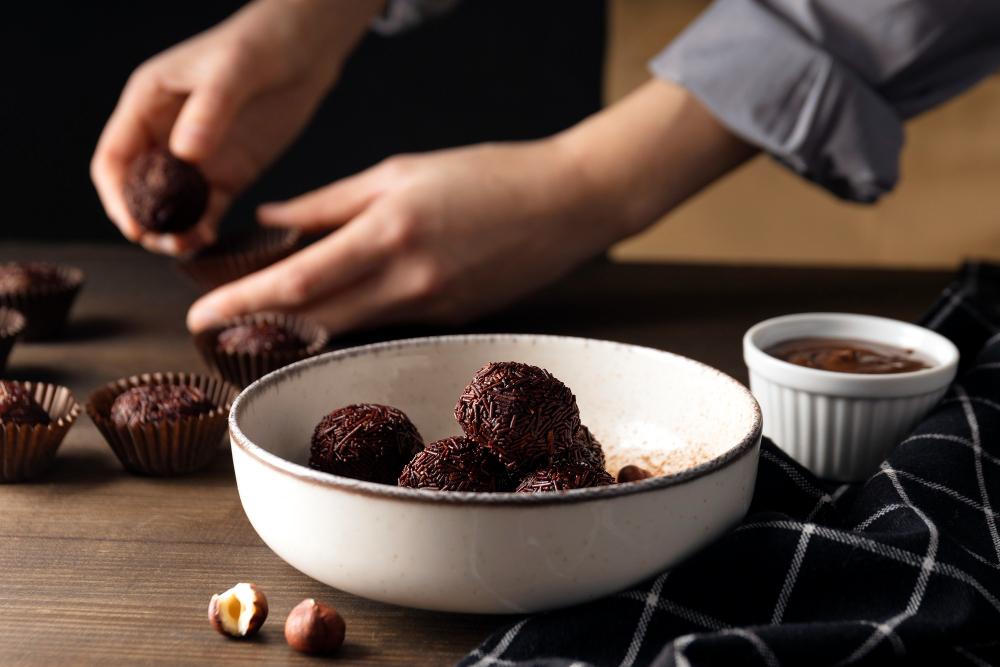
Learning professional chocolate making can take anywhere from a few days to several months, depending on your goals, the course format, and the skills you want to master. Basic techniques can often be learned in a weekend workshop, while becoming confident in advanced chocolate work requires consistent practice and structured training.
Why Does Learning Chocolate Making Take Different Amounts of Time?
Chocolate making is both an art and a science. While creating simple chocolate bars or molded chocolates may seem straightforward, producing high-quality chocolates consistently requires understanding how chocolate behaves under different conditions.
One of the most important skills is tempering chocolate. Tempering controls the formation of stable cocoa butter crystals, giving chocolates their glossy appearance, firm snap, and resistance to melting. It also prevents common defects such as fat bloom and streaking.
Professional chocolate makers also learn:
-
Chocolate tempering techniques
-
Molding and demolding
-
Ganache preparation
-
Bonbon filling and sealing
-
Decorating chocolates
-
Shelf-life management
-
Food safety and hygiene
-
Ingredient selection
-
Production planning
Each of these skills builds on the previous one, so learning time depends largely on how deeply you want to explore the craft.
What Affects How Quickly You Learn?
Several factors determine how long it takes to become proficient in professional chocolate making.
Your Previous Experience
Someone with experience in baking or pastry arts may understand ingredients, temperatures, and kitchen practices more quickly than a complete beginner. However, many successful chocolatiers started with no culinary background.
The Type of Training
Hands-on learning is generally faster than trying to learn entirely from books or online videos. Working with experienced instructors allows you to correct mistakes immediately and understand professional techniques more effectively.
This is one of what makes a professional chocolate course different from casual tutorials. A structured curriculum focuses on practical skills, consistency, and industry standards rather than isolated recipes.
Practice Time
Like any craft, repetition is essential. Practicing tempering, molding, and decorating several times each week helps build confidence much faster than occasional practice.
Learning Goals
Your timeline also depends on your objective.
For example:
-
Making chocolates as a hobby may take only a few days.
-
Starting a home chocolate business may require several weeks of dedicated practice.
-
Becoming a professional chocolatier capable of producing premium products consistently often takes several months of learning and refinement.
A Typical Learning Timeline
Although everyone progresses differently, this timeline offers a realistic expectation.
First Few Days
You'll usually learn:
-
Chocolate types
-
Melting methods
-
Basic tempering
-
Simple molded chocolates
-
Basic decorations
By the end of an introductory course, many students can confidently produce attractive handmade chocolates.
Within One Month
With regular practice, you can improve:
-
Tempering consistency
-
Ganache preparation
-
Truffle production
-
Filled chocolates
-
Flavor balancing
-
Packaging basics
Many home businesses begin at this stage.
After Two to Three Months
Students often become comfortable with:
-
Professional production workflows
-
Advanced molds
-
Decorative techniques
-
Colored cocoa butter applications
-
Shelf-life management
-
Recipe development
This is when confidence begins to match technical ability.
Ongoing Development
Even experienced chocolatiers continue learning new techniques, ingredients, and trends throughout their careers. Chocolate is an evolving industry with continuous innovations in equipment, flavors, and presentation.
Tips to Learn Faster
If you want to shorten your learning curve, focus on developing strong fundamentals instead of trying advanced decorations immediately.
Some practical tips include:
-
Practice tempering repeatedly using small batches.
-
Use high-quality couverture chocolate for consistent results.
-
Keep accurate notes on temperatures and techniques.
-
Learn from experienced instructors.
-
Repeat each recipe several times before moving to the next.
-
Invest in essential tools rather than unnecessary gadgets.
-
Study common chocolate defects and their solutions.
-
Develop patience, as precision matters more than speed.
Following a structured learning path helps avoid habits that are difficult to correct later.
Frequently Asked Questions
Can beginners learn professional chocolate making?
Yes. Most professional courses are designed to accommodate beginners while gradually introducing advanced techniques. No prior culinary experience is usually required.
Can I start a chocolate business after learning?
Many students begin home-based chocolate businesses after completing practical training and gaining confidence through regular practice. Business success also depends on marketing, pricing, and product quality.
Is online learning enough?
Online courses are excellent for understanding concepts and demonstrations. However, combining online lessons with hands-on practice provides the best results because chocolate making is a practical skill.
Who should join a professional chocolate course?
Professional courses are suitable for beginners, home bakers, entrepreneurs, pastry chefs, culinary students, and anyone interested in producing high-quality handmade chocolates for personal or commercial purposes.
Is there a shortcut to becoming an expert?
There is no substitute for consistent practice. However, professional chocolate training explained through experienced instructors can significantly reduce trial-and-error and help you master techniques more efficiently than self-learning alone.
Conclusion
Learning professional chocolate making doesn't happen overnight, but it also doesn't take years to start creating impressive chocolates. With structured instruction, regular practice, and patience, many students develop solid skills within a few months. Whether your goal is to enjoy a creative hobby or launch a chocolate business, investing in quality training provides the foundation for long-term success. If you're ready to build your skills, enrolling in a professional chocolate-making course can help you progress with confidence and expert guidance.
- Managerial Effectiveness!
- Future and Predictions
- Motivatinal / Inspiring
- Fitness and Wellness
- Medical & Health
- Manufacturing
- Education
- Real-Estate
- Food Industry
- Hospitality
- Online Games
- Sports
- Home Services
- Civil Engineering
- Safety and Protection
- Software Products & Services
- Fashion and Jewellery
- Artificial Intelligence
- Entrepreneurship
- Mentoring & Guidance
- Marketing
- Networking
- HR & Recruiting
- Literature
- Shopping
- Career Management & Advancement