

 SkillClick
Smartphones Evolve Through AI, Connectivity, Security, and Longer Device Lifecycles
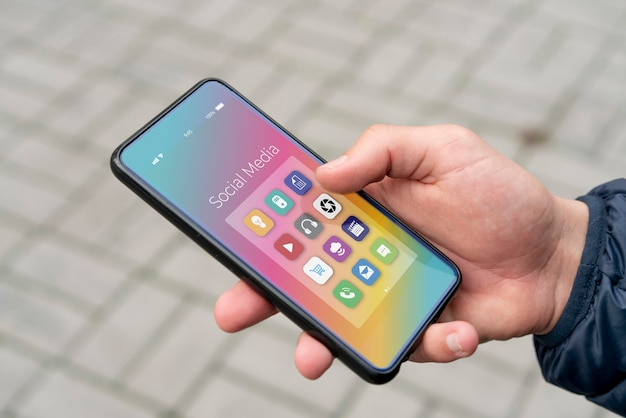
Smartphones have developed from communication devices into multipurpose digital platforms used for banking, shopping, education, entertainment, navigation, photography, healthcare access, and workplace collaboration. Modern devices combine advanced cameras, biometric authentication, artificial intelligence, high-speed connectivity, and extensive application ecosystems. As hardware improvements become more incremental, manufacturers are placing greater emphasis on software intelligence, security support, durability, and integration with connected digital services.
A recent study by MarkNtel Advisors highlights that the global smartphone sector was valued at USD 520.45 billion in 2025. It is projected to grow from USD 572.495 billion in 2026 to USD 651.81 billion by 2032, registering a CAGR of 2.19% during 2026–2032. Expansion reflects replacement demand, 5G adoption, artificial intelligence integration, mobile-service consumption, and continuing smartphone penetration across developing economies.
Mobile Access Extends Digital Participation
Smartphones provide internet access without requiring a desktop computer or fixed broadband connection. Users can communicate, manage payments, attend online classes, access government services, run small businesses, and obtain information through mobile networks.
The GSMA’s mobile connectivity research states that 58% of the global population used mobile internet in 2025, although substantial digital divides remained. Device affordability, digital skills, relevant content, and reliable connectivity continue to influence adoption, particularly in lower-income and rural communities. These barriers keep accessible smartphone models central to broader digital inclusion.
Android Supports Broad Device Availability
Android represented a 72% share of global smartphone demand in 2026. Its presence across entry-level, mid-range, premium, gaming, and foldable devices enables manufacturers to serve different consumer budgets and regional requirements.
A broad operating-system ecosystem encourages competition in processors, displays, cameras, batteries, software interfaces, and device design. It also allows application developers to serve diverse user groups across several hardware configurations. Manufacturers must nevertheless manage device optimisation, security updates, and software compatibility across products with different technical capabilities.
Artificial Intelligence Moves Onto Devices
Artificial intelligence is becoming integrated into photography, translation, search, accessibility, voice assistance, writing tools, and device management. AI-enabled cameras can improve low-light images, identify subjects, adjust exposure, and support automated editing. Language models can assist with summarisation, communication, and content organisation.
Some AI functions operate directly on the smartphone rather than relying entirely on cloud infrastructure. On-device processing can support faster responses and greater control over certain information, but it also increases requirements for memory, processor performance, battery efficiency, thermal management, and transparent privacy controls.
Camera Systems Remain an Important Differentiator
Smartphone cameras continue to influence product design and purchasing decisions. Multiple lenses, optical stabilisation, computational photography, high-resolution sensors, and AI-assisted editing allow mobile devices to replace dedicated cameras for many everyday users.
These capabilities also support online retail, social media, journalism, remote work, education, and small-business promotion. Camera performance increasingly depends on software processing as well as sensor and lens quality, making image-processing algorithms an important part of device competition.
Security Updates Affect Long-Term Value
Smartphones store financial credentials, identity information, photographs, business documents, messages, and location histories. Regular software updates are therefore necessary to address newly identified vulnerabilities and protect devices after purchase.
The Android Security Bulletin for July 2026 identifies vulnerabilities affecting Android devices and states that security patch levels dated July 5, 2026, or later address the listed issues. Longer update commitments can consequently improve device security and extend the practical period during which a smartphone remains suitable for daily use.
Repairability Gains Regulatory Attention
Smartphone sustainability increasingly involves battery longevity, repair access, spare-part availability, energy efficiency, durability, and software support. Extending the useful life of devices can reduce replacement frequency and improve the value obtained from the materials and energy used during manufacturing.
New European Union smartphone rules began applying on June 20, 2025. They introduced requirements relating to durability, battery performance, repair access, spare parts, and software support. Energy labels now also provide information intended to help consumers compare device efficiency and repairability.
Mature Demand Changes Competitive Priorities
North America accounted for a 35% share of global smartphone demand in 2026, while many developing regions continue expanding through first-time ownership and migration from basic phones.
In mature regions, competition is increasingly shaped by replacement cycles, premium models, foldable formats, trade-in programmes, software ecosystems, and device longevity. Slower overall expansion does not indicate reduced innovation. Instead, competition is moving toward AI capabilities, camera quality, battery performance, security support, privacy, and compatibility with watches, vehicles, televisions, and smart-home systems.
Smartphones Move Beyond Hardware Competition
The smartphone landscape is entering a phase in which long-term value depends on more than processor speed or display quality. Software intelligence, secure updates, network access, repairability, and ecosystem integration are becoming central competitive factors. As smartphones remain an important digital gateway for billions of users, their development will continue influencing communication, commerce, entertainment, and access to essential online services.
- Managerial Effectiveness!
- Future and Predictions
- Motivatinal / Inspiring
- Fitness and Wellness
- Medical & Health
- Manufacturing
- Education
- Real-Estate
- Food Industry
- Hospitality
- Online Games
- Sports
- Home Services
- Civil Engineering
- Safety and Protection
- Software Products & Services
- Fashion and Jewellery
- Artificial Intelligence
- Entrepreneurship
- Mentoring & Guidance
- Marketing
- Networking
- HR & Recruiting
- Literature
- Shopping
- Career Management & Advancement