

 SkillClick
Expanded Polystyrene Gains Ground Across GCC Construction and Cold-Chain Systems
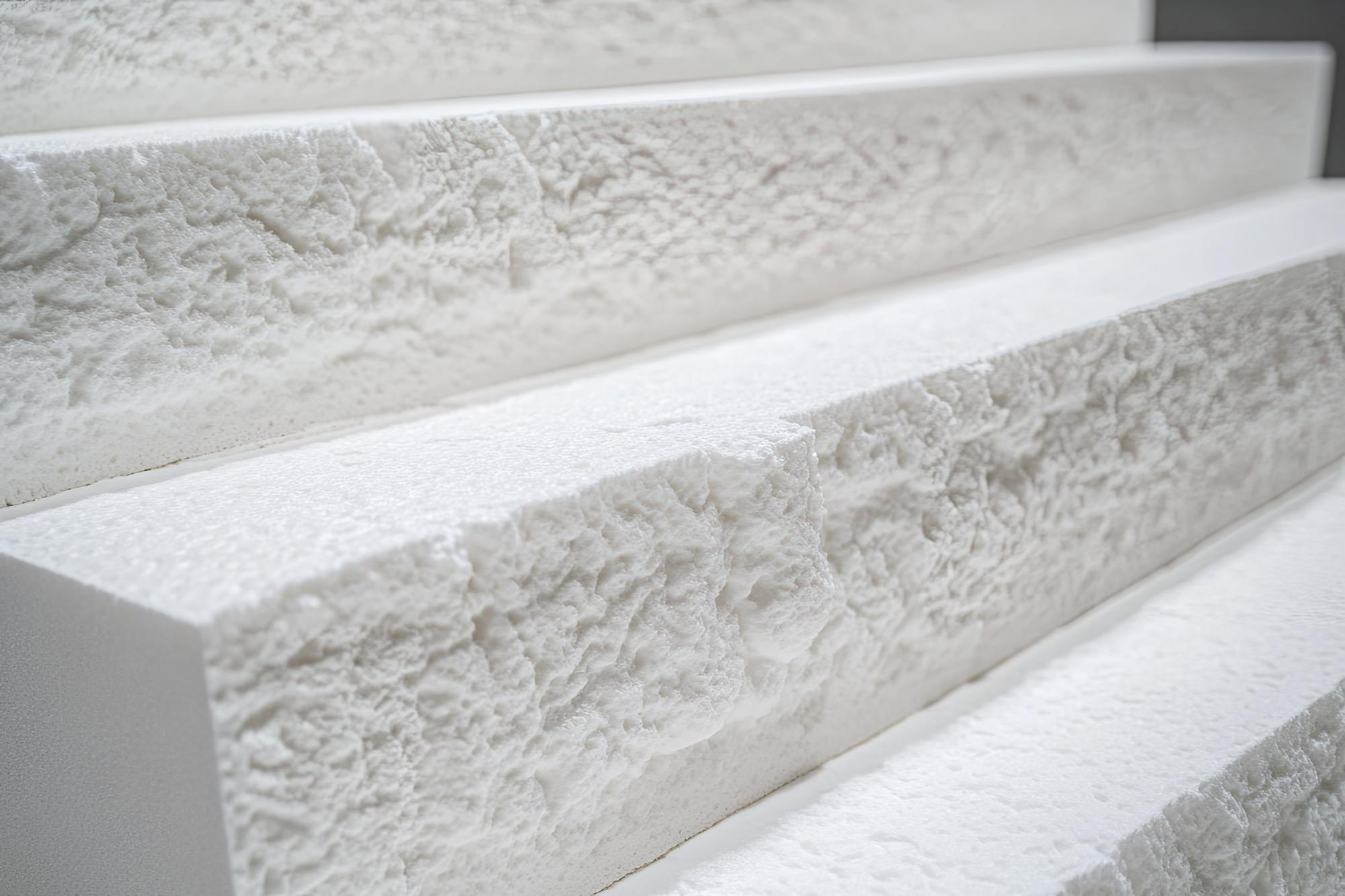
Expanded polystyrene is a lightweight cellular material used across construction, protective packaging, temperature-controlled transportation, food handling, and infrastructure applications. Its structure contains a high proportion of air, which gives the material low weight, thermal-insulation properties, and impact resistance. Across the Gulf Cooperation Council, these characteristics are becoming increasingly relevant as countries invest in buildings, logistics networks, food distribution, industrial facilities, and energy-efficient infrastructure.
A recent study by MarkNtel Advisors highlights that the GCC expanded polystyrene industry was valued at USD 305 million in 2025. It is projected to grow from USD 320 million in 2026 to USD 500 million by 2032, registering a CAGR of 7.72% during 2026–2032. Expansion reflects construction activity, insulation requirements, protective-packaging demand, cold-chain development, and broader use of lightweight materials across the region.
Construction Activity Strengthens Insulation Demand
The GCC continues to develop residential communities, commercial buildings, hospitality facilities, industrial zones, transport infrastructure, and large mixed-use projects. These developments require materials that support thermal performance while remaining practical to transport and install. Expanded polystyrene is commonly formed into insulation boards, blocks, panels, and moulded components for walls, roofs, floors, foundations, and building-envelope systems.
EPS is valued for its thermal properties and lightweight structure. The British Plastics Federation notes that expanded and extruded polystyrene are used as insulation boards in construction and can help reduce the operational carbon associated with insulated buildings. In the GCC’s hot climate, limiting heat transfer through building envelopes can support more efficient indoor-temperature management.
Lightweight Materials Simplify Project Handling
Construction materials must frequently be transported across large development sites and installed within demanding project schedules. EPS products are lightweight, allowing workers to move insulation boards, void-forming blocks, and panel components more easily than many heavier alternatives. Their low weight may also reduce handling complexity and transportation requirements during installation.
The material can be cut and shaped to match different project specifications. This adaptability supports its use in structural insulated panels, external insulation systems, roof assemblies, decorative architectural elements, road embankments, and lightweight filling applications. Product selection nevertheless depends on fire-performance requirements, compressive strength, density, moisture exposure, and applicable building regulations.
Packaging Protects Goods During Distribution
Expanded polystyrene is also widely used in protective packaging because its cellular structure absorbs impact and helps protect products from vibration during storage and transportation. Moulded EPS packaging can be designed around electronics, appliances, industrial components, glass products, medical devices, and other fragile goods.
The material’s low weight is particularly useful in distribution systems where packaging must provide protection without substantially increasing shipment weight. As e-commerce, electronics distribution, manufacturing, and cross-border trade expand across GCC countries, demand for practical protective-packaging formats is likely to remain connected to overall goods movement and warehousing activity.
Cold Chains Create Temperature-Controlled Applications
Food, pharmaceuticals, seafood, dairy products, vaccines, and other temperature-sensitive goods require controlled conditions during transportation. EPS containers and insulated boxes help limit temperature changes by slowing heat transfer between the packaged product and the surrounding environment.
The material is therefore used across food-service operations, grocery distribution, pharmaceutical logistics, fisheries, and healthcare supply chains. Expanded polystyrene can provide both thermal insulation and physical protection, helping organisations manage products that may be damaged by heat, impact, or delays. These applications are particularly relevant across the GCC, where high outdoor temperatures create additional logistical requirements.
Product Development Supports Wider Use
EPS manufacturers can adjust density, particle size, mould shape, thickness, and performance characteristics according to the intended application. White EPS remains a common format, while modified materials can provide enhanced insulation or specialised performance for construction and packaging uses.
The material is made by expanding polystyrene beads into a rigid cellular structure. According to EUMEPS, EPS is used in applications ranging from building insulation to packaging because of its lightweight composition and insulating properties. This combination allows manufacturers to produce application-specific components while using relatively small quantities of raw material by volume.
Recycling Requires Effective Collection Systems
Although EPS can be recycled, its low density creates collection and transportation challenges because bulky waste occupies substantial space relative to its weight. Compaction and densification can make transportation more practical by reducing material volume before recycling.
Regional progress will therefore depend on waste separation, collection infrastructure, construction-site recovery, packaging take-back systems, and investment in compacting equipment. Manufacturers may also explore recycled content and production-waste recovery where technical standards permit. More organised collection systems could help GCC countries manage growing EPS consumption while supporting broader circular-economy objectives.
A Material Shaped by Regional Development
Expanded polystyrene is positioned across several areas of GCC economic development, including construction, logistics, food distribution, manufacturing, healthcare, and infrastructure. Its future role will depend on building standards, project activity, raw-material costs, recycling systems, and competition from alternative insulation and packaging products. As regional users place greater emphasis on thermal performance, lightweight handling, and product protection, EPS is likely to remain an important functional material across diverse applications.
- Managerial Effectiveness!
- Future and Predictions
- Motivatinal / Inspiring
- Fitness and Wellness
- Medical & Health
- Manufacturing
- Formazione
- Real-Estate
- Food Industry
- Hospitality
- Online Games
- Sports
- Home Services
- Civil Engineering
- Safety and Protection
- Software Products & Services
- Fashion and Jewellery
- Artificial Intelligence
- Entrepreneurship
- Mentoring & Guidance
- Marketing
- Networking
- HR & Recruiting
- Literature
- Shopping
- Career Management & Advancement