

 SkillClick
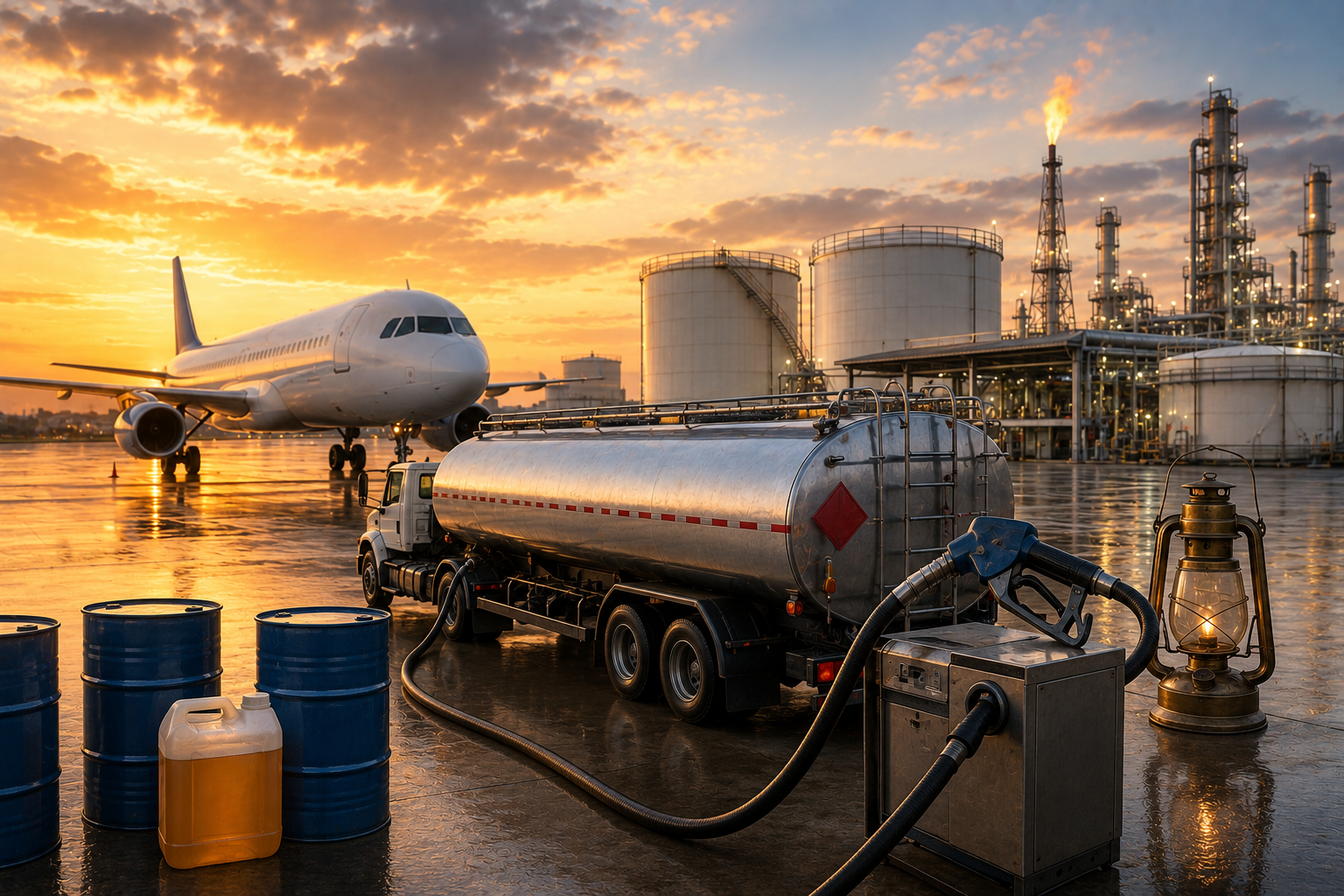
Kerosene Price Trend Q2 2026: USA and Saudi Arabia Compared
The kerosene price trend for May 2026 puts two of the world's biggest fuel producers on opposite ends of the scale. USA kerosene is priced at USD 1,205.13/MT FOB. Saudi Arabia comes in lower, at USD 1,053.95/MT FOB. Same product. Same incoterm basis. Different story entirely.
That's a USD 151.18 gap. Not small change if you're buying in bulk.
Kerosene doesn't get talked about as much as crude or gasoline, but it should. It feeds jet fuel production, heating applications, and a chunk of industrial use across regions where diesel alternatives aren't practical. Refiners watch it closely. So should anyone sourcing fuel or advising clients who do.
Current Kerosene Prices: USA vs Saudi Arabia
Numbers first.
| Product | Region | Incoterm Basis | Price | Last Updated |
|---|---|---|---|---|
| Kerosene | USA | FOB | USD 1,205.13/MT | May 2026 |
| Kerosene | Saudi Arabia | FOB | USD 1,053.95/MT | May 2026 |
Both quotes are FOB, which actually makes this comparison cleaner than most. No CIF-versus-CFR confusion here. The buyer covers freight from the loading port in both cases, so this gap is closer to a real production-cost signal than anything tied to shipping.
Quick breakdown:
- USA kerosene runs about 14% higher than Saudi Arabia's.
- Both figures are single-month snapshots from May 2026.
- FOB pricing means freight, insurance, and onward logistics sit outside these numbers entirely.
Saudi Arabia's lower price lines up with what you'd expect from a producer sitting right on top of cheap crude feedstock. The US figure carries a different cost structure — refining margins, domestic energy policy, labor costs, all of it stacked on top.
Quick Q&A: Making Sense of the Gap
Why is Saudi kerosene cheaper than US kerosene?
Proximity to crude, mostly. Saudi refiners aren't paying to move crude oil across an ocean before processing it. US refiners often are, depending on the crude grade and region. That difference shows up directly in the FOB price.
Does FOB pricing tell the whole story?
Not quite. FOB gets you production and loading costs, sure. But once a buyer adds freight, insurance, and port fees on the receiving end, the landed cost picture changes — sometimes by a lot, especially for buyers far from either origin point.
Is a 14% gap normal for kerosene?
It happens. Refining capacity, crude sourcing, and regional demand all shift month to month. A gap this size isn't alarming on its own, but it's worth tracking if it keeps widening over the next few pricing cycles.
What's Driving Kerosene Prices Right Now
A few forces sit behind these numbers.
Crude oil costs. Kerosene is a distillate — it comes straight out of crude refining. When crude prices move, kerosene follows within days, not months. There's no real buffer built into the pricing chain.
Refining capacity and utilization. US refineries run at different utilization rates depending on maintenance schedules and seasonal demand shifts. Saudi Arabia's refining setup, tied closely to its own crude supply, tends to run more consistently.
Jet fuel demand. Kerosene overlaps heavily with jet fuel production. Airline traffic recovery, seasonal travel spikes, cargo demand — all of it pulls on the same supply pool and pushes prices around.
Export policy and domestic allocation. Producers sometimes prioritize domestic supply over export volume during periods of tight demand. That alone can tighten export-available kerosene and nudge FOB prices upward, even without a crude price change.
What This Means for Buyers and Investors
If you're buying kerosene or advising someone who does this spread isn't just an interesting number.
Buyers with flexible sourcing might lean toward Saudi supply purely on price. Makes sense on the surface. But contract terms, shipping distance to your destination, and supplier reliability all factor into whether that lower FOB number actually translates into savings once the fuel lands.
For investors watching energy markets, a widening US-Saudi kerosene gap can hint at broader refining cost pressure in North America labor, regulation, aging infrastructure, take your pick. Worth watching alongside crude benchmarks, not in isolation.
Advisers working with aviation, logistics, or industrial fuel clients should treat this data as a near-term cost signal. Fuel surcharges and operating cost forecasts tend to move on exactly this kind of pricing shift, often faster than people expect.
Looking Ahead: Q2 2026 Outlook
Where's this headed? Depends who you ask, honestly.
The structural gap between US and Saudi kerosene pricing probably holds through Q2 2026 — crude proximity and refining cost differences don't reverse in a matter of weeks. What could shift things faster is jet fuel demand. A strong summer travel season could tighten supply on both sides and push prices up together, even if the gap between them stays roughly the same.
Locking in a fuel contract off a single month's pricing carries real risk. May 2026 numbers are a snapshot, not a promise of where things sit in July.
Conclusion
The kerosene price trend for Q2 2026 draws a clear line between USA at USD 1,205.13/MT FOB and Saudi Arabia at USD 1,053.95/MT FOB, both as of May 2026. Crude proximity and refining cost structure explain most of that USD 151.18 gap. For buyers, investors, and advisers tracking fuel markets, this kind of regional spread is exactly the kind of detail that changes sourcing decisions so keep an eye on it.
FAQ Section
What is the kerosene price trend in the USA and Saudi Arabia right now?
As of May 2026, US kerosene sits at USD 1,205.13/MT FOB, while Saudi Arabia's is priced lower at USD 1,053.95/MT FOB. The gap traces back mainly to crude proximity and refining cost differences between the two regions.
Why does kerosene cost more in the USA than in Saudi Arabia?
US refiners often pay more to source and transport crude before refining it into kerosene. Saudi Arabia refines close to its own crude supply, cutting out that added cost layer. Domestic policy and refining margins add to the US side of the gap too.
What factors affect kerosene pricing the most?
Crude oil cost drives most of it, since kerosene comes directly from crude refining. Refining capacity, jet fuel demand, and export policy all play a role too. Because kerosene tracks crude so closely, price shifts tend to show up fast rather than gradually.
How is kerosene pricing different from jet fuel pricing?
They're closely related but not identical. Kerosene is the base distillate; jet fuel (specifically Jet A or Jet A-1) is a refined, specification-grade version of it. Jet fuel pricing usually carries a premium over raw kerosene due to the extra refining and quality standards involved.
What's the kerosene price outlook for Q2 2026?
The USA-Saudi Arabia gap should hold through most of Q2 2026 given the underlying cost structure on each side. Jet fuel demand during peak travel season is the bigger wildcard — a strong summer could push prices up on both sides at once.