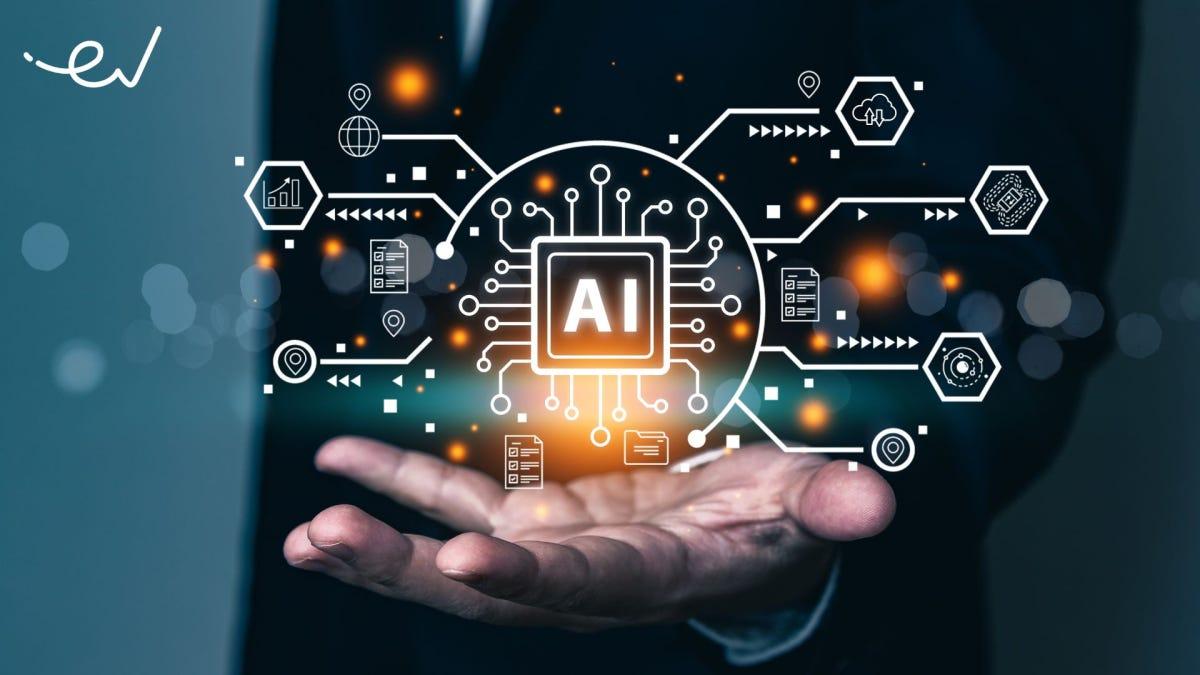
Artificial Intelligence: Transforming the Future of Business

0
0

Technology is evolving at an incredible pace, and one of the most influential innovations of the modern era is artificial intelligence. From smartphones and virtual assistants to healthcare and finance, intelligent systems are changing the way people live and work.

Businesses around the world are adopting advanced technologies to improve productivity, reduce costs, and provide better customer experiences. As organizations generate more data and face increasing competition, artificial intelligence has become a critical tool for driving growth and innovation.

What Is Artificial Intelligence?

Artificial intelligence refers to computer systems that can perform tasks that typically require human intelligence. These tasks include learning, problem-solving, decision-making, language understanding, and pattern recognition.

The technology relies on several key components, including machine learning, natural language processing, computer vision, and data analytics. Together, these technologies allow machines to process information and make intelligent decisions.

Today, AI-powered systems are used in industries such as healthcare, retail, education, transportation, and manufacturing.

How Artificial Intelligence Works

Artificial Intelligence works by analyzing large amounts of data and identifying patterns that help machines make decisions. Algorithms and machine learning models are trained using historical data, enabling systems to improve their performance over time.

The process typically involves collecting data, cleaning and organizing information, training models, and continuously optimizing results. Advanced technologies such as neural networks and deep learning make it possible for machines to solve complex problems with remarkable accuracy.

As computing power continues to improve, intelligent systems are becoming more efficient and accessible.

Major Applications of Artificial Intelligence

Healthcare

The healthcare industry uses AI to improve patient care, diagnose diseases, and develop personalized treatment plans. Hospitals and medical researchers rely on intelligent systems to analyze patient records and detect health risks.

Business and Finance

Financial institutions use automation to detect fraud, analyze market trends, and manage investments. Businesses also use intelligent tools to improve customer service and streamline operations.

E-Commerce

Online retailers use recommendation systems to suggest products based on customer behavior and preferences. Personalized shopping experiences increase customer satisfaction and sales.

Transportation

Self-driving vehicles, route optimization, and traffic management systems are examples of how modern technology is transforming transportation.

Education

Educational institutions use intelligent learning platforms to personalize lessons and improve student engagement.

Benefits of Artificial Intelligence

Increased Productivity

Automation reduces the time required to complete repetitive tasks, allowing employees to focus on strategic activities that create more value.

Better Decision-Making

Businesses can analyze large amounts of information and gain insights that support smarter decisions and long-term planning.

Cost Reduction

Organizations can reduce operational expenses by automating workflows and minimizing human errors.

Enhanced Customer Experience

Chatbots and virtual assistants provide instant support and personalized recommendations, improving customer satisfaction.

Innovation and Growth

Companies that invest in intelligent technologies can develop new products, discover market opportunities, and stay ahead of competitors.

The Role of Artificial Intelligence in Modern Businesses

Modern organizations generate vast amounts of information every day. AI-powered tools help companies analyze this data and turn it into actionable insights.

Marketing teams use predictive analytics to understand customer behavior, while customer support departments rely on chatbots to provide instant assistance. Human resources teams use automation for recruitment and employee management.

By integrating intelligent technologies into daily operations, businesses can improve efficiency and accelerate growth.

Challenges and Risks

Despite its advantages, artificial intelligence also presents several challenges. Data privacy and security remain major concerns because organizations must protect sensitive information.

Another challenge is the cost of implementation. Developing and maintaining advanced systems requires significant investment in infrastructure and talent.

There are also ethical concerns regarding bias, transparency, and the impact of automation on employment. Businesses must adopt responsible practices to ensure that technology benefits society as a whole.

Future Trends in Artificial Intelligence

The future of AI is filled with exciting possibilities. Emerging technologies such as generative AI, autonomous systems, and advanced robotics are expected to transform industries even further.

Voice assistants will become more intelligent, healthcare systems will provide faster diagnoses, and businesses will automate increasingly complex tasks. AI-powered analytics will also help organizations predict customer behavior and improve decision-making.

As technology continues to evolve, companies that embrace innovation will be better prepared for the future.

Best Practices for Adopting AI

Businesses looking to implement intelligent technologies should follow a strategic approach:

  • Define clear goals and objectives.
  • Invest in high-quality data and infrastructure.
  • Prioritize security and data privacy.
  • Train employees to work with new technologies.
  • Continuously monitor and improve performance.

A well-planned strategy ensures successful adoption and long-term benefits.

Conclusion

Artificial intelligence is transforming the way businesses operate, communicate, and innovate. From healthcare and education to finance and retail, intelligent systems are helping organizations improve efficiency and make better decisions.

As technology continues to advance, businesses that invest in AI-driven solutions will gain a competitive advantage and unlock new opportunities for growth. The future belongs to organizations that embrace innovation and adapt to the changing digital landscape.

Frequently Asked Questions

1. What is artificial intelligence?

Artificial intelligence is the ability of computer systems to perform tasks that normally require human intelligence, such as learning and decision-making.

2. How is artificial intelligence used in business?

Businesses use AI for automation, customer service, marketing, analytics, and decision-making.

3. What are the benefits of artificial intelligence?

The main benefits include increased productivity, cost savings, improved customer experiences, and better decision-making.

4. Which industries use artificial intelligence?

Healthcare, finance, retail, transportation, education, and manufacturing are among the industries that use AI technologies.

5. What is the future of artificial intelligence?

The future of AI includes advanced automation, generative technologies, robotics, and smarter decision-making systems.


Summary:
1. Div class="text-base" w/lg/html - w+lg / w -rg -lg.
2. Div class="qMYqUG_convSearchResultHighlightRoot">
Search
Categories
Read More
Food Industry
Global Mercury Cadmium Telluride Infrared Detector Market: Global Automotive Sensors Market Insights, Key Companies Including Continental, 2026–2034
     Global Mercury Cadmium Telluride Infrared Detector Market, valued at USD...
By Rachel Lamsal 2026-04-14 07:33:44 0 179
Marketing
Corporate Gifts Supplier Dubai: Business Gifting Solutions for Every Occasion
Dubai is a global business hub where companies constantly seek innovative ways to strengthen...
By Birthday Planners 2026-06-30 06:54:24 0 0
Marketing
BYUs Kingsley Suamataia was a single of Kansas Citys favorite?final-30 journeys
Upon Friday evening, the Kansas Town Chiefs discovered previous BYU offensive deal with Kingsley...
By Cormier Lukas 2025-12-04 08:02:38 0 1K
Marketing
How to Turn Gmail Accounts into Powerful Communication Assets
In the digital age, communication is the backbone of every successful business. Email accounts,...
By Summer Johnston 2026-08-01 18:04:32 0 0
Marketing
Top 02 Best Reliable Websites for Buying Gmail Accounts...
Scaling Digital Campaigns: The Comprehensive Guide to Buying and Managing Aged Gmail Accounts...
By Rabart Johan 2026-07-27 16:42:30 0 0