

Inquire
Hair Transplant in Islamabad: The Difference Between FUE and FUT Techniques
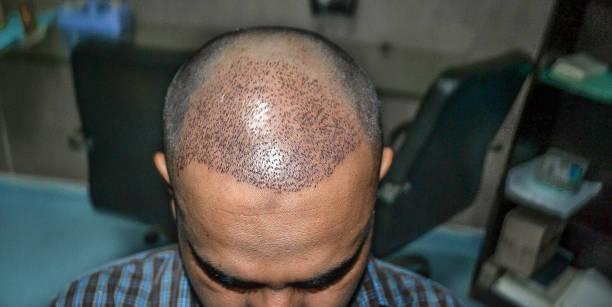
air loss is a common concern that affects both men and women, often impacting confidence and self-esteem. Fortunately, modern hair restoration techniques offer reliable and long-lasting solutions. If you are considering a Hair Transplant in Islamabad, one of the first decisions you will need to make is choosing between the FUE and FUT techniques. Both methods are effective, but they differ in the way hair follicles are harvested, the recovery process, and the type of results they offer.
Understanding these differences can help you make an informed decision based on your hair loss pattern, lifestyle, and personal preferences.
What Is a Hair Transplant?
A hair transplant is a cosmetic procedure that moves healthy hair follicles from a donor area, usually the back or sides of the scalp, to areas affected by hair thinning or baldness. The transplanted follicles continue to grow naturally, providing a permanent solution for hair loss.
The two most widely used techniques are:
- Follicular Unit Extraction (FUE)
- Follicular Unit Transplantation (FUT)
Both methods aim to achieve natural-looking hair growth but use different approaches.
What Is FUE?
Follicular Unit Extraction (FUE) is a minimally invasive technique where individual hair follicles are extracted directly from the donor area using a specialized tool. These follicles are then implanted into the thinning or bald areas.
Benefits of FUE
- No large surgical incision
- Minimal scarring with tiny dot-like marks
- Faster healing process
- Less discomfort after the procedure
- Suitable for people who prefer short hairstyles
Because the follicles are removed one by one, FUE is often considered a modern and patient-friendly option.
What Is FUT?
Follicular Unit Transplantation (FUT), also known as the strip method, involves removing a thin strip of skin containing hair follicles from the donor area. The strip is carefully divided into individual grafts before implantation.
Benefits of FUT
- Allows harvesting a large number of grafts in one session
- Often recommended for advanced hair loss
- Higher graft yield from the donor area
- Procedure may take less extraction time than FUE
Although FUT leaves a linear scar, it is usually hidden beneath longer hair.
Key Differences Between FUE and FUT
Understanding how these methods differ can help you select the most suitable treatment.
| Feature | FUE | FUT |
|---|---|---|
| Hair Extraction | Individual follicles | Strip of scalp |
| Scarring | Tiny dot scars | Linear scar |
| Recovery Time | Faster | Slightly longer |
| Pain After Surgery | Minimal | Mild discomfort |
| Ideal for Short Hair | Yes | Less suitable |
| Number of Grafts | Moderate to large | Large sessions possible |
Both procedures deliver natural-looking results when performed correctly.
Which Technique Offers Better Results?
The final appearance largely depends on the expertise of the surgical team rather than the technique itself. Both FUE and FUT can produce dense, natural hair growth.
The best method depends on factors such as:
- Degree of hair loss
- Quality of donor hair
- Desired hairstyle
- Recovery expectations
- Previous hair restoration procedures
An individualized assessment helps determine the most appropriate technique.
Recovery After FUE and FUT
Recovery is an important part of achieving successful results.
FUE Recovery
Most patients resume light activities within a few days. Small extraction points heal quickly, and discomfort is usually minimal.
FUT Recovery
Recovery may take slightly longer because the donor area requires stitches or staples. Patients may experience temporary tightness around the incision, which gradually improves.
Regardless of the method, following post-procedure instructions is essential for proper healing and healthy hair growth.
Who Is a Good Candidate for FUE?
FUE is generally suitable for individuals who:
- Have mild to moderate hair loss
- Want minimal visible scarring
- Prefer shorter hairstyles
- Have enough healthy donor hair
- Desire quicker recovery
Who May Benefit More from FUT?
FUT may be recommended for individuals who:
- Require a large number of grafts
- Have advanced baldness
- Usually keep longer hair
- Have a strong donor area
- Want maximum graft yield in one procedure
How Long Does It Take to See Results?
Hair growth after transplantation follows a gradual process.
Typical timeline:
- First few weeks: Temporary shedding of transplanted hairs
- Three to four months: New hair begins growing
- Six to nine months: Noticeable improvement in density
- Twelve to eighteen months: Final results become visible
Patience is important, as hair grows naturally over time.
Choosing the Right Technique
There is no universal answer to whether FUE or FUT is better. Each technique has unique advantages depending on your individual needs.
Your decision should consider:
- Hair loss severity
- Donor hair availability
- Lifestyle
- Budget
- Desired hairstyle
- Recovery expectations
A thorough consultation helps determine which option aligns best with your goals.
Frequently Asked Questions
Is FUE less painful than FUT?
Yes. FUE is generally associated with less discomfort because it does not involve removing a strip of scalp.
Does FUT leave a visible scar?
FUT leaves a thin linear scar, but it is usually concealed by surrounding hair if worn at a moderate length.
Which technique provides more grafts?
FUT often allows a larger number of grafts to be harvested during a single procedure, making it suitable for extensive hair loss.
How long do transplanted hairs last?
Transplanted hair follicles are typically permanent and continue growing naturally for many years.
Can both men and women undergo hair transplantation?
Yes. Both men and women experiencing suitable types of hair loss may benefit from either FUE or FUT after professional evaluation.
Final Thoughts
Choosing between FUE and FUT depends on your hair restoration goals, donor hair quality, and personal preferences. Both techniques are proven methods that can deliver natural, long-lasting results when performed on suitable candidates. If you are planning a Hair Transplant in Islamabad, understanding the differences between these procedures will help you make a confident and informed decision while setting realistic expectations for your hair restoration journey.
- Managerial Effectiveness!
- Future and Predictions
- Motivatinal / Inspiring
- Fitness and Wellness
- Medical & Health
- Manufacturing
- Education
- Real-Estate
- Food Industry
- Hospitality
- Online Games
- Sports
- Home Services
- Civil Engineering
- Safety and Protection
- Software Products & Services
- Fashion and Jewellery
- Artificial Intelligence
- Entrepreneurship
- Mentoring & Guidance
- Marketing
- Networking
- HR & Recruiting
- Literature
- Shopping
- Career Management & Advancement
SkillClick