

 SkillClick
Online Gaming Enters a New Era of Connected Global Entertainment
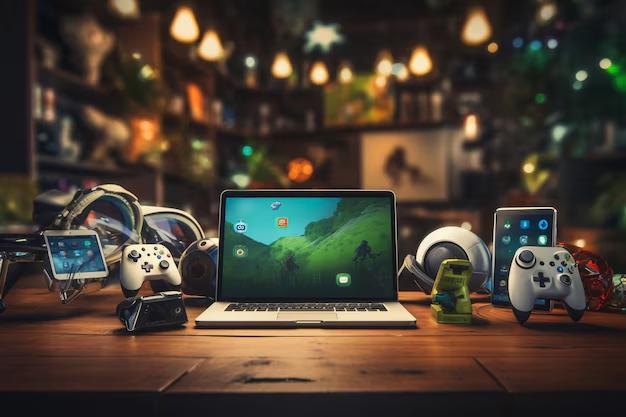
Online gaming has developed from a specialised pastime into a major form of digital entertainment, social interaction, and competitive participation. Players now access multiplayer games through smartphones, consoles, personal computers, tablets, and cloud platforms. Faster connectivity, digital distribution, free-to-play models, and cross-platform functionality are making games easier to discover while allowing users from different regions to compete and communicate in shared virtual environments.
A recent study by MarkNtel Advisors highlights that the global online gaming industry was valued at USD 217.81 billion in 2025. It is projected to grow from USD 236.85 billion in 2026 to USD 391.04 billion by 2032, registering a CAGR of 8.74% during 2026–2032. Expansion reflects wider device ownership, digital payments, esports participation, cloud services, and growing demand for interactive entertainment.
Mobile Devices Make Gaming More Accessible
Smartphones have reduced several traditional barriers to gaming because users no longer need dedicated consoles or high-performance computers to access many titles. Mobile games can be downloaded quickly, updated remotely, and played during short or extended sessions. This flexibility is especially relevant in regions where smartphones represent the primary means of accessing digital services.
Developers are responding with games designed around touch controls, shorter sessions, social features, and regular content updates. Advertising, subscriptions, premium purchases, and optional in-game transactions provide multiple revenue models while allowing many users to begin playing without an upfront payment.
Multiplayer Features Turn Games into Social Spaces
Online games increasingly function as digital communities where players collaborate, compete, communicate, and maintain friendships. Team-based missions, live events, voice chat, digital items, and player-created content encourage continued participation beyond a single gaming session.
The UNICEF assessment of online gaming notes that digital games can support learning, collaboration, creativity, and connections between players. These opportunities are influencing game design as publishers introduce stronger community tools, shared experiences, and content that changes according to player participation.
Cloud Gaming Reduces Hardware Dependence
Cloud gaming processes a game on remote servers and streams the visual output to the player’s device. This approach can allow users to access demanding titles without purchasing the latest console or gaming computer, provided that they have a reliable internet connection and compatible controls.
The technology can also reduce lengthy downloads and make it easier to move between televisions, computers, tablets, and mobile devices. Its wider adoption will depend on network quality, latency, subscription pricing, regional server availability, and agreements between game publishers and streaming platforms.
Esports Strengthens Competitive Participation
Competitive gaming has created structured ecosystems involving professional players, tournament organisers, sponsors, streaming platforms, commentators, and online communities. Major tournaments attract global audiences, while smaller competitions provide entry points for students, amateur teams, and regional players.
Esports also supports engagement beyond direct gameplay. Audiences watch live broadcasts, follow teams, purchase digital items, and interact through social platforms. This combination of competition and entertainment gives publishers additional opportunities to maintain interest in established titles through tournaments, seasonal events, and community-led content.
Responsible Design Becomes More Important
Greater participation also increases the need for stronger safeguards relating to privacy, inappropriate content, harassment, excessive spending, and contact between younger players and strangers. Parental controls, age-appropriate design, reporting systems, spending limits, and transparent communication can help reduce these risks.
UNICEF’s recommendations for online gaming companies encourage developers, publishers, platforms, esports businesses, and streaming services to assess how their products affect children’s rights. Responsible design is becoming an important part of maintaining player trust as gaming platforms become more social and commercially complex.
Healthy Participation Requires Balance
Most people participate in digital gaming without developing serious problems. However, the World Health Organization explains that gaming disorder involves impaired control, increasing priority given to gaming, and continued participation despite negative consequences. The organisation also states that the condition affects only a small proportion of people who play digital games.
Online gaming’s changing role reflects the convergence of entertainment, technology, competition, and digital social activity. Continued development will depend on accessible platforms, reliable connectivity, creative content, responsible monetisation, effective safety systems, and experiences that provide long-term value without compromising player well-being.
- Managerial Effectiveness!
- Future and Predictions
- Motivatinal / Inspiring
- Fitness and Wellness
- Medical & Health
- Manufacturing
- Education
- Real-Estate
- Food Industry
- Hospitality
- Online Games
- Sports
- Home Services
- Civil Engineering
- Safety and Protection
- Software Products & Services
- Fashion and Jewellery
- Artificial Intelligence
- Entrepreneurship
- Mentoring & Guidance
- Marketing
- Networking
- HR & Recruiting
- Literature
- Shopping
- Career Management & Advancement