

 SkillClick
What Should UAE Businesses Look for in Wholesale Bed and Bath Linen?
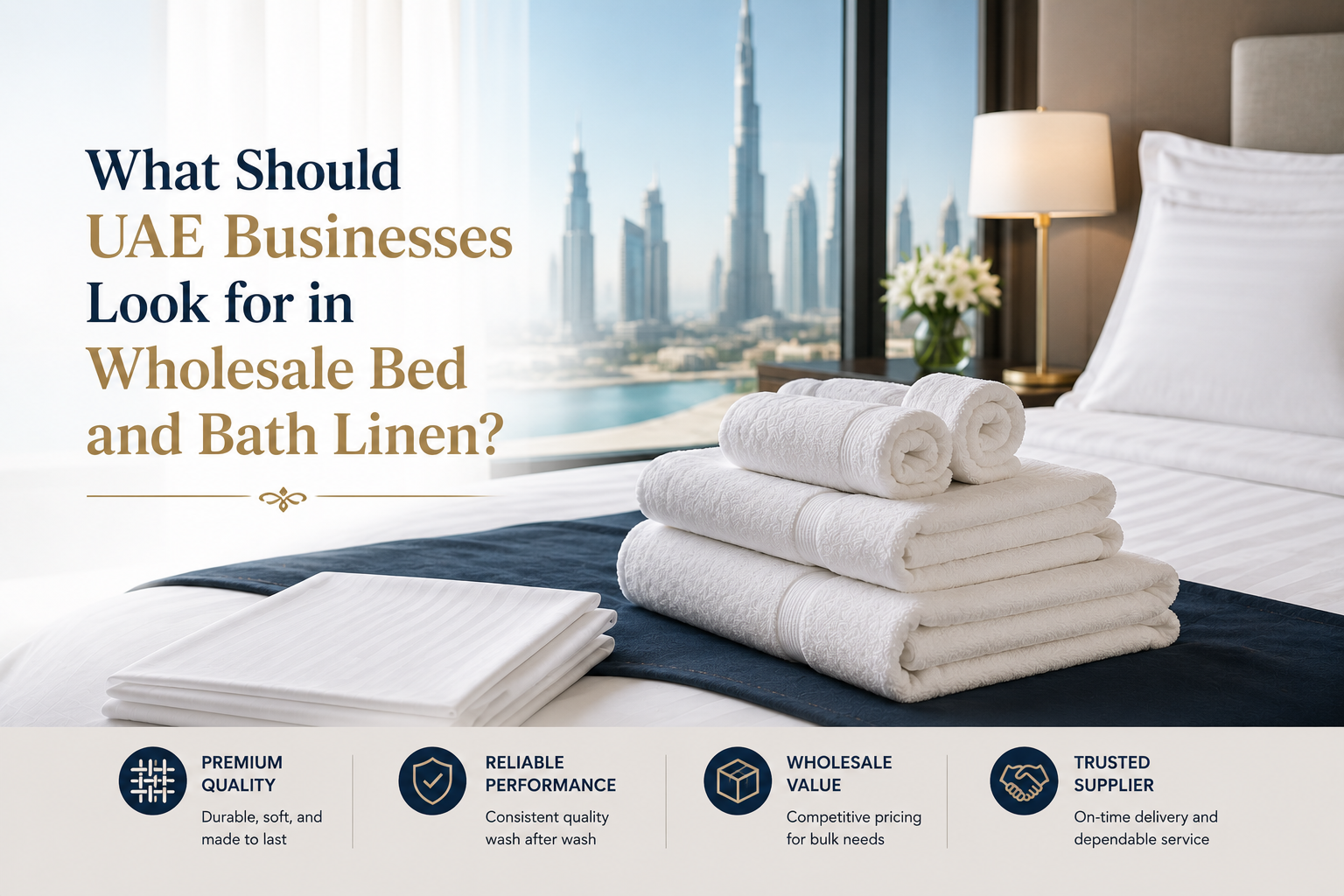
The United Arab Emirates represents one of the most competitive hospitality, healthcare, and commercial residential markets in the world. From luxury five-star resorts in Dubai to boutique serviced apartments in Abu Dhabi, commercial operators understand that sensory details heavily influence guest satisfaction. Bedding and bath textiles represent a continuous, touchpoint-intensive aspect of the guest experience. However, purchasing textiles for commercial use requires an entirely different evaluation process than buying consumer goods. Facility managers and procurement teams must analyze fiber engineering, laundering resilience, thermal comfort, and total cost of ownership. Partnering with a specialized commercial linen supplier allows UAE businesses to secure products engineered to withstand the rigorous demands of institutional washing while maintaining high standards of tactile luxury.
Understanding Climate-Specific Fiber Requirements in the UAE
The climate of the Arabian Peninsula introduces unique environmental factors that directly affect textile performance and guest comfort. High year-round ambient temperatures and extensive air conditioning reliance require fabrics that balance breathability, moisture absorption, and thermal regulation.
Cotton Fiber Length and Airflow
The fundamental building block of high-grade bed sheets is cotton staple length—the measure of individual raw cotton fibers. Raw cotton is categorized into short-staple, medium-staple, and long-staple varieties:
- Short-Staple Cotton: Fiber length under 25 millimeters. These short strands create numerous loose ends along the yarn, resulting in coarse texture, heavy surface pilling, and restricted airflow.
- Long-Staple Combed Cotton: Fiber length ranging from 32 to 50 millimeters. When processed through mechanical combing, short fibers are combed out, leaving aligned, continuous strands.
In air-conditioned hotel rooms, long-staple combed cotton sheets facilitate air circulation and natural vapor release. This prevents ambient heat and humidity from accumulating beneath the duvet, ensuring a comfortable, temperature-regulated sleep surface for guests.
Essential Evaluation Criteria for Commercial Bed Linen
When evaluating wholesale bedding options, procurement officers must look beyond basic aesthetic appeal and analyze structural fabric specifications.
The Myth of Inflated Thread Counts
Thread count measures the number of horizontal and vertical threads woven into one square inch of fabric. While consumer marketing often equates higher numbers with superior quality, institutional buyers must evaluate yarn construction rather than thread count alone.
Many low-grade manufacturers inflate thread counts by twisting multiple weak, short-staple fibers together into multi-ply threads. A 600-thread-count fabric made from multi-ply short fibers is heavy, stiff, traps heat, and degrades rapidly in commercial laundries. Conversely, a 250 to 300 thread-count fabric woven from single-ply, long-staple combed cotton is lighter, highly breathable, far durable, and noticeably softer against the skin.
Weave Selection: Percale vs. Sateen
The two most prominent weave structures used across UAE commercial properties are percale and sateen:
- Percale Weave: Features a balanced one-over, one-under weave structure. It produces a crisp, matte finish with optimal ventilation, making it ideal for warm climates, corporate hotels, and high-turnover properties.
- Sateen Weave: Constructed by floating four warp threads over one weft thread. Sateen creates a smooth surface with a subtle sheen and silky drape, making it a popular choice for high-end luxury suites and wellness retreats.
Sourcing inventory through an established wholesale bed sheet supplier ensures that properties receive correctly constructed single-ply weaves that balance luxury aesthetics with institutional durability.
Criteria for Bulk Bath Linen Procurement
Bath towels, face cloths, and bathrobes in commercial properties undergo aggressive cleaning cycles, high-temperature thermal sanitation, and high-velocity tumble drying. Selecting bath linens requires assessing pile density, loop construction, and structural reinforcement.
Loop Architecture and Absorption Speed
Bath towels absorb water through capillary action, where moisture is drawn into microscopic gaps within the cotton fibers. Towel performance relies on three core variables:
- Pile Density: Densely set, upright surface loops maximize the active absorption area available when drying off.
- Yarn Twist: Low-twist or zero-twist yarns crafted from long-staple cotton keep the interior fiber structure open, allowing rapid water absorption without requiring heavy chemical softeners.
- Ground Warp Base: The inner base frame holding the loops must be tightly woven from multi-ply yarns to prevent shrinkage, loop pulling, and edge distortion over time.
Acquiring high-density bulk hotel towels crafted with 100% combed cotton loops guarantees that bath linens retain their softness, structural shape, and absorbency through hundreds of commercial washing cycles.
Industrial Laundering Resistance and Total Cost of Ownership
Wholesale textiles in the UAE face intense laundering environments. Commercial laundries utilize heavy chemical detergents, oxygen bleaches, centrifugal water extractors, and industrial flatwork ironers operating above 150°C. Low-grade fabrics thins out, frays along seams, and loses color saturation within months of deployment.
Key Construction Features to Look For
To maximize total cost of ownership and reduce replacement frequency, procurement teams should inspect specific technical construction features:
- Reinforced Hemming: Double-stitched or lock-stitched edges along towels and sheet borders prevent unraveling under mechanical strain.
- Colorfast Reactive Dyes: High-grade dyeing processes ensure colored or hem-coded linens resist fading from bleach exposure and high washing temperatures.
- Tensile Strength: High tear-resistance along the warp and weft prevents tearing during high-speed extraction and flatwork ironing.
Technical Comparison: Commercial vs. Retail Textiles
|
Parameter |
Institutional Commercial Linen |
Standard Retail Linen |
|
Fiber Grade |
Combed long-staple cotton |
Carded short-staple cotton or blends |
|
Yarn Construction |
Strong, single-ply continuous strands |
Weak, multi-ply twisted short strands |
|
Edge Finish |
Double-needle lock stitching / selvedge |
Single-stitch standard hem |
|
Laundry Tolerance |
150+ high-temperature industrial cycles |
Low resistance to chemical bleaching |
|
Long-Term Cost |
Lower annual replacement rate |
High recurring reorder expense |
Frequently Asked Questions
1. What thread count is recommended for commercial hotel bed sheets?
For commercial hospitality, a thread count between 250 and 300 made from 100% single-ply combed cotton offers the ideal balance. It provides exceptional softness, high breathability, and structural resistance against commercial ironing heat.
2. How does climate influence towel weight (GSM) selection in the UAE?
Gram per square meter (GSM) measures towel density. While ultra-heavy towels (700+ GSM) feel soft, they take longer to dry and consume substantial energy in commercial laundries. A 500 to 600 GSM towel made from long-staple combed cotton provides luxury plushness while maintaining efficient commercial drying times.
3. Why should hospitality businesses avoid multi-ply yarns?
Multi-ply yarns are created by twisting multiple low-grade, short cotton fibers together. Under industrial laundry stress, these short fibers break easily, causing severe surface pilling, fabric thinning, and seam distortion.
4. How can commercial properties extend the operational lifespan of bath towels?
To preserve towel quality, laundries should avoid excessive use of silicone-based fabric softeners, which coat fibers in a water-repellent film and reduce absorbency. Additionally, washing at recommended chemical dosages and avoiding over-drying helps preserve loop integrity.
Final Thoughts
Selecting the right commercial textiles requires balancing guest comfort, climate adaptability, and long-term durability. By prioritizing long-staple combed cotton, single-ply yarn construction, correct weave geometry, and reinforced stitching, UAE businesses can protect their operating budgets while maintaining elevated quality standards. Working with a reliable hospitality linen supplier in dubai provides commercial operators with institutional-grade products engineered to withstand heavy laundering, supporting guest satisfaction and business profitability over the long term.
- Managerial Effectiveness!
- Future and Predictions
- Motivatinal / Inspiring
- Fitness and Wellness
- Medical & Health
- Manufacturing
- Education
- Real-Estate
- Food Industry
- Hospitality
- Online Games
- Sports
- Home Services
- Civil Engineering
- Safety and Protection
- Software Products & Services
- Fashion and Jewellery
- Artificial Intelligence
- Entrepreneurship
- Mentoring & Guidance
- Marketing
- Networking
- HR & Recruiting
- Literature
- Shopping
- Career Management & Advancement