

 SkillClick
Cracked Teeth Treatment: How to Save a Damaged Tooth
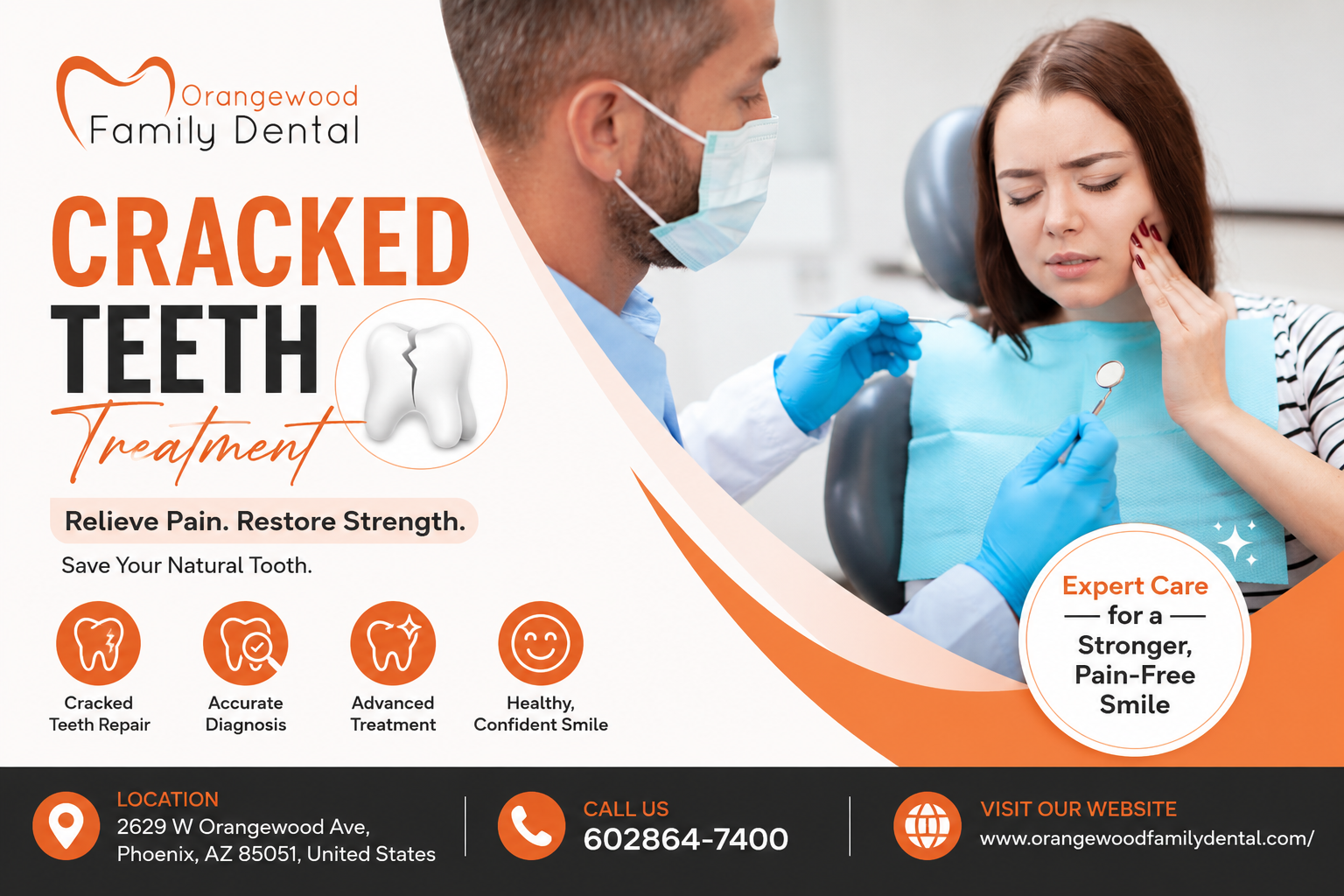
A cracked tooth may seem like a small problem, but it can quickly become a painful dental emergency if left untreated. Even a tiny crack can allow bacteria to enter the tooth, leading to infection, severe pain, or even tooth loss. The good news is that modern cracked teeth treatment can often save your natural tooth when treated early.
Whether your tooth cracked from biting something hard, an accident, or years of wear, getting prompt care is the best way to protect your oral health. In this guide, you'll learn the common causes, symptoms, treatment options, and how a skilled cracked tooth dentist can help restore your smile.
What Is a Cracked Tooth?
A cracked tooth is a tooth that has developed a fracture or split. Some cracks are small and only affect the outer enamel, while others extend deeper into the tooth or even below the gum line.
Not every crack causes immediate pain, which is why many people delay treatment. However, even painless cracks can worsen over time.
Common Causes of Cracked Teeth
Several everyday situations can cause a tooth to crack.
Some of the most common causes include:
-
Biting hard foods like ice, popcorn kernels, or hard candy
-
Teeth grinding (bruxism)
-
Sports injuries or accidents
-
Large fillings that weaken the tooth
-
Sudden temperature changes from very hot to cold foods
-
Natural wear and aging
Understanding the cause helps your dentist recommend the most effective crack tooth repair solution.
Signs You May Need Cracked Teeth Treatment
Some cracked teeth produce obvious symptoms, while others are harder to detect.
Watch for these warning signs:
-
Pain when chewing or biting
-
Sharp pain that comes and goes
-
Sensitivity to hot or cold foods
-
Swollen gums around one tooth
-
Pain when releasing your bite
-
A visible crack or chipped area
If you notice any of these symptoms, schedule a dental appointment as soon as possible.
Why Early Treatment Matters
Ignoring a cracked tooth can lead to bigger dental problems.
Without treatment, the crack may:
-
Grow larger over time
-
Allow bacteria inside the tooth
-
Cause infection
-
Damage the tooth root
-
Lead to tooth loss
Early cracked teeth treatment is often simpler, less invasive, and more affordable than waiting until the damage becomes severe.
Types of Cracked Teeth
Craze Lines
These tiny surface cracks affect only the enamel. They are common in adults and usually don't require treatment unless they affect appearance.
Fractured Cusp
This type often occurs around a dental filling. It usually doesn't affect the tooth's pulp and can often be repaired with a dental crown.
Cracked Tooth
The crack extends from the chewing surface toward the root. A cracked tooth dentist can often save the tooth if treatment begins early.
Split Tooth
When a crack grows untreated, it can split the tooth into separate sections. In some cases, extraction may be necessary.
Vertical Root Fracture
These cracks begin at the root and move upward. They are often difficult to detect until infection develops.
Cracked Teeth Treatment Options
The right treatment depends on the size, location, and severity of the crack.
Dental Bonding
Small cracks can often be repaired using tooth-colored composite resin. This restores both appearance and function.
Best for:
-
Minor surface cracks
-
Small chips
-
Cosmetic repairs
Dental Crown
A crown covers and protects the damaged tooth while restoring its strength.
Crowns are commonly recommended when the crack has weakened a large portion of the tooth.
Benefits include:
-
Long-lasting protection
-
Improved chewing ability
-
Natural appearance
Root Canal Therapy
If the crack reaches the tooth pulp, bacteria can cause infection.
Root canal treatment removes infected tissue, relieves pain, and saves the natural tooth. A crown is usually placed afterward for added protection.
Tooth Extraction
Sometimes the crack extends too far below the gum line to repair.
In these cases, removing the tooth may be the healthiest option. Your dentist can discuss replacement options such as dental implants or bridges.
How a Cracked Tooth Dentist Diagnoses the Problem
Not every crack is visible during a routine exam.
A cracked tooth dentist may use:
-
Digital X-rays
-
Bite tests
-
Dental microscopes
-
Special staining techniques
-
3D imaging when needed
Accurate diagnosis helps determine the best crack tooth repair method.
Practical Tips to Protect Your Teeth
Preventing cracks is easier than treating them.
Here are a few simple habits that help:
-
Avoid chewing ice and hard candy.
-
Wear a mouthguard during sports.
-
Use a nightguard if you grind your teeth.
-
Don't use your teeth to open packages.
-
Visit your dentist regularly for checkups.
-
Treat small chips before they become larger cracks.
Healthy daily habits can greatly reduce your risk of future dental damage.
Common Mistakes to Avoid
Many people accidentally make a cracked tooth worse.
Avoid these common mistakes:
-
Waiting for the pain to become severe
-
Continuing to chew on the damaged tooth
-
Ignoring sensitivity
-
Trying home repairs with glue or temporary products
-
Skipping routine dental visits
Professional care is always the safest solution.
Why Choose Orangewood Family Dental?
When it comes to cracked teeth treatment, experience and prompt care make all the difference.
At Orangewood Family Dental, patients receive personalized treatment using modern dental technology and a patient-first approach. Whether you need a simple bonding procedure, a dental crown, or advanced restorative care, the team focuses on preserving your natural tooth whenever possible while keeping you comfortable throughout treatment.
Frequently Asked Questions
1. Can a cracked tooth heal on its own?
No. Teeth cannot repair cracks naturally. Professional dental treatment is necessary to prevent further damage.
2. Is a cracked tooth considered a dental emergency?
Yes. If you have severe pain, swelling, or bleeding, you should see a dentist immediately.
3. How long does crack tooth repair take?
Minor repairs may be completed in one visit, while crowns or root canals may require two or more appointments.
4. Can a crown fix a cracked tooth?
Yes. A dental crown is one of the most common treatments for moderate cracks because it protects and strengthens the tooth.
5. Will I always need a root canal?
No. Root canal treatment is only necessary if the crack reaches the tooth pulp and causes infection or inflammation.
6. How can I prevent cracked teeth?
Avoid chewing hard objects, wear a mouthguard during sports, treat teeth grinding, and schedule regular dental checkups.
Conclusion
A cracked tooth should never be ignored. Early cracked teeth treatment can relieve pain, prevent infection, and help save your natural tooth before the damage becomes more serious. Whether you need bonding, a crown, or another form of crack tooth repair, seeing an experienced cracked tooth dentist as soon as possible offers the best chance for a successful outcome.
If you're experiencing tooth pain or suspect a cracked tooth, Orangewood Family Dental is here to help with compassionate, modern dental care tailored to your needs.
Schedule Your Visit Today
Don't wait for a small crack to become a major problem. Contact Orangewood Family Dental today to schedule a comprehensive dental examination. Our experienced team will diagnose the issue, recommend the right cracked teeth treatment, and help restore your healthy, confident smile.
- Managerial Effectiveness!
- Future and Predictions
- Motivatinal / Inspiring
- Fitness and Wellness
- Medical & Health
- Manufacturing
- Education
- Real-Estate
- Food Industry
- Hospitality
- Online Games
- Sports
- Home Services
- Civil Engineering
- Safety and Protection
- Software Products & Services
- Fashion and Jewellery
- Artificial Intelligence
- Entrepreneurship
- Mentoring & Guidance
- Marketing
- Networking
- HR & Recruiting
- Literature
- Shopping
- Career Management & Advancement