

 SkillClick
Kailash Mansarovar Yatra from Nepal: A Complete Planning Guide for 2026
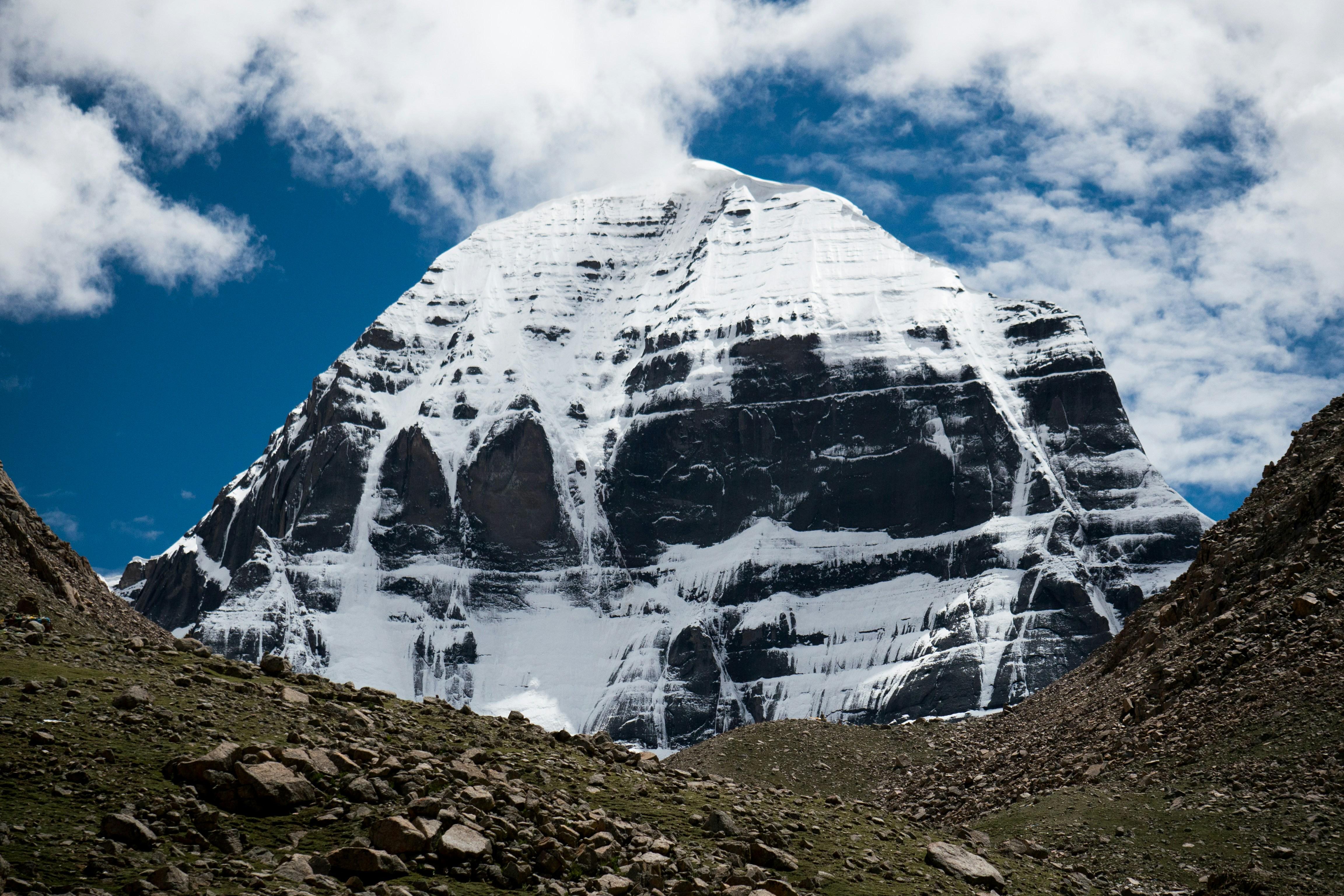
Every year, thousands of pilgrims and trekkers set their sights on one of the most demanding and spiritually charged journeys on Earth: the circuit around Mount Kailash and the shores of Lake Mansarovar in western Tibet. For travelers based in South Asia, the Nepal route has quietly become the most practical gateway to this remote corner of the Tibetan plateaufaster to arrange, less bureaucratically tangled than the Indian government route, and increasingly served by helicopter options that cut days off the overland approach.
This guide walks through what actually matters when planning a Kailash Mansarovar Tour from Nepal: how the route works, what permits you'll need, how much to budget, when to go, and how to prepare your body for altitudes most people have never experienced.
Why Choose the Nepal Route
Pilgrims from India can apply through the Indian government's official Kailash Mansarovar Yatra program, which is subsidized but highly competitive, slow-moving, and limited to a small quota selected by lottery. The Nepal route, by contrast, is run largely through private Nepali and Tibetan travel operators working with Chinese travel permits, which means faster confirmation timelines and more flexibility in group size, dates, and itinerary style.
This matters practically. Where the Indian government route can take six to twelve months of waiting and paperwork, a well-organized Nepal-based agency can often confirm a Kailash Mansarovar Yatra within eight to ten weeks, provided passports and visa documents are in order early.
There's also a geographic advantage. Kathmandu sits closer to the Tibetan border crossing at Kerung (Rasuwagadhi) than most Indian departure points, shortening the overland approach by a full day or more.
Two Ways to Reach Kailash from Nepal
The Overland Route via Kerung
This is the traditional and most affordable path. Pilgrims travel by road from Kathmandu to the Rasuwagadhi border, cross into Kerung on the Chinese side, then continue by vehicle across the Tibetan plateau through Saga and Paryang before reaching Darchen, the base town for the Kailash parikrama.
The overland journey typically takes two to three days each way, passing through dramatic high-altitude terrain, small Tibetan towns, and viewpoints of peaks like Shishapangma. It's physically demanding simply due to the altitude gain, but it allows for gradual acclimatization, which is a genuine health advantage over flying directly to elevation.
The Helicopter Route
In recent years, helicopter services from Kathmandu (or Nepalgunj) to Simikot and onward into Tibet, and increasingly direct charter options toward the border, have shortened the journey considerably. This route suits travelers with limited vacation time, older pilgrims, or anyone wanting to avoid multiple days of rough mountain roads.
The tradeoff is real: helicopter travel skips the natural acclimatization that the overland route provides, so travelers choosing this option need a more disciplined pre-trip fitness and altitude preparation plan.
| Factor | Overland via Kerung | Helicopter Route |
|---|---|---|
| Duration (one way) | 2–3 days | Same day to 1 day |
| Cost | Lower | Significantly higher |
| Acclimatization | Gradual, natural | Minimal higher AMS risk |
| Physical demand | High (road travel) | Lower travel fatigue |
| Scenery | Extensive plateau views | Aerial views, less ground exposure |
| Best suited for | Budget travelers, trekkers | Time-constrained, senior pilgrims |
Permits and Documentation
This is where many first-time pilgrims underestimate the process. A Kailash Mansarovar Yatra from Nepal requires several layered permits, all typically arranged by your operator but worth understanding in detail:
- Chinese Group Visa: Issued specifically for Tibet travel, processed through the Chinese Embassy in Kathmandu. This requires your original passport to be submitted in Nepal, so it cannot usually be arranged remotely.
- Tibet Travel Permit (TTP): Issued by the Tibet Tourism Bureau, required for any foreigner entering the Tibet Autonomous Region.
- Alien Travel Permit: Needed for travel to restricted border areas, including the Kailash and Mansarovar region specifically.
- Military Permit: Occasionally required depending on current regulations near the border zone, arranged by the operator.
Because these permits are interconnected, most travelers cannot do a fully independent Kailash Yatra from Nepala licensed operator is effectively mandatory, and this isn't a bureaucratic inconvenience so much as a legal requirement of the region.
A critical practical note: your original passport must have at least six months validity and enough blank visa pages, and it needs to be handed over to the agency weeks in advance for Chinese visa processing. Plan around this if you need your passport for other travel.
When to Go: Reading the Tibetan Plateau Calendar
The Kailash Mansarovar Yatra season runs roughly from May through September, dictated entirely by when mountain passes and border roads are snow-free.
- May–early June: Cooler, occasional late-season snow at high points, thinner crowds, crisp mountain visibility.
- Mid-June–July: Warmest window, most stable weather, but this overlaps with the Indian government batches, so Darchen and the parikrama route can feel busier.
- August: Monsoon-influenced cloud cover on the Nepal side of the border approach, though the Tibetan plateau itself stays largely dry due to the rain shadow effect.
- September: A quieter, increasingly popular windowclearer skies, fewer crowds, and comfortable daytime trekking temperatures, though nights turn sharply cold.
There's no single "best" month the right window depends on whether you prioritize warmth, low crowds, or visibility for photography and darshan of the peak.
Understanding the Physical Challenge
The Kailash parikrama itself is a three-day circumambulation covering roughly 52 kilometers around the mountain, crossing the Dolma La pass at approximately 5,630 meters (18,470 feet)higher than Everest Base Camp.
This isn't a technical climb, but it is a serious high-altitude trek. Most health complications on this journey stem not from the trekking difficulty itself but from insufficient acclimatization before reaching Darchen, which itself sits above 4,600 meters.
Altitude Preparation That Actually Helps
- Spend at least one full acclimatization day in Kathmandu or Kerung before continuing upward, even if your itinerary doesn't mandate it.
- Build cardiovascular base fitness for two to three months beforehanddaily walking, stair climbing, or hiking with a loaded pack.
- Discuss altitude sickness medication (commonly acetazolamide) with a travel doctor before departure, not after symptoms appear.
- Hydrate aggressively from day one of the tripdehydration compounds altitude symptoms significantly.
- Know the warning signs of acute mountain sickness (persistent headache, nausea, dizziness, breathlessness at rest) and commit to descending if they don't improve with rest.
Anyone with pre-existing heart or lung conditions should have a detailed conversation with a physician who understands high-altitude physiology before booking this tripthis is not a journey to attempt on optimism alone.
Packing for the Plateau
Tibet's high plateau swings from intense daytime sun to freezing nights, often within the same 24 hours. A workable packing approach:
- Layering system: thermal base layers, an insulated mid-layer, and a windproof/waterproof outer shell.
- Footwear: broken-in trekking boots with good ankle supportthis is not the trip to test new boots on.
- Sun protection: high-SPF sunscreen, UV-protective sunglasses, and lip balm with sun protection; UV exposure at altitude is far stronger than it feels.
- Sleeping gear: a four-season sleeping bag if your itinerary includes tented nights near Mansarovar.
- Health kit: any personal medication, diamox if prescribed, rehydration salts, and basic blister care.
- Cash: Chinese yuan for incidentals in Tibet, since card access is unreliable in this region.
Pack lighter than you think you need to. Duffel weight limits are enforced on both vehicle transfers and, especially, helicopter segments.
Common Mistakes First-Time Pilgrims Make
- Booking too close to departure. Chinese visa and Tibet permit processing has fixed lead times that can't be rushed with extra fees.
- Skipping fitness preparation. Assuming that "it's not technical climbing" means it's not physically demandingthe altitude alone makes this one of the harder treks most people will ever attempt.
- Choosing helicopter transfer without extra acclimatization planning. Speed is convenient, but it removes the body's natural adjustment window.
- Underestimating cold at Mansarovar. Even in July, nights near the lake can drop close to freezing.
- Not researching the operator. Because permits require an operator relationship, choosing a licensed, experienced Nepal-based agency with verifiable past groups matters more here than on almost any other trip.
Frequently Asked Questions
Is it possible to do the Kailash Mansarovar Yatra independently from Nepal, without an agency?
No. Permit regulations for the Tibet Autonomous Region require group travel arrangements through a licensed operator, and individual foreign travelers cannot process the necessary permits on their own.
How fit do I need to be for the Kailash parikrama?
You don't need technical mountaineering experience, but you should be able to comfortably walk 15–20 kilometers a day at altitude. Several months of cardio and hiking preparation beforehand make a meaningful difference.
Can older travelers or those with health conditions do this yatra?
Many older pilgrims complete this journey successfully, often opting for the helicopter route or hiring porters and pack animals for the parikrama. A pre-trip medical checkup focused on cardiovascular and respiratory health is strongly advised.
Do I need travel insurance for high-altitude regions?
Yes, and specifically insurance that covers high-altitude trekking and emergency evacuation, since standard travel policies often exclude altitudes above certain thresholds.
What's the difference between this route and the Indian government's Kailash Mansarovar Yatra program?
The Indian government program is subsidized and prestigious but selects a limited number of pilgrims annually through a lottery, with a longer wait and more rigid group dates. The Nepal route, run through private operators, offers more flexible scheduling and faster confirmation, generally at a higher out-of-pocket cost.
Final Thoughts
A Kailash Mansarovar Yatra from Nepal rewards travelers who prepare seriously and respect the altitude rather than treating it as an afterthought. The logisticspermits, visas, acclimatization, geararen't obstacles so much as the practical framework that makes a safe and meaningful journey to one of the most revered pilgrimage sites in the world possible. Choose your route based on your time, fitness, and budget honestly, give your body the runway it needs, and the mountain will meet you the rest of the way.
- Managerial Effectiveness!
- Future and Predictions
- Motivatinal / Inspiring
- Fitness and Wellness
- Medical & Health
- Manufacturing
- Education
- Real-Estate
- Food Industry
- Hospitality
- Online Games
- Sports
- Home Services
- Civil Engineering
- Safety and Protection
- Software Products & Services
- Fashion and Jewellery
- Artificial Intelligence
- Entrepreneurship
- Mentoring & Guidance
- Marketing
- Networking
- HR & Recruiting
- Literature
- Shopping
- Career Management & Advancement