

 SkillClick
How a Care Coordination Network Scale Independent Practices
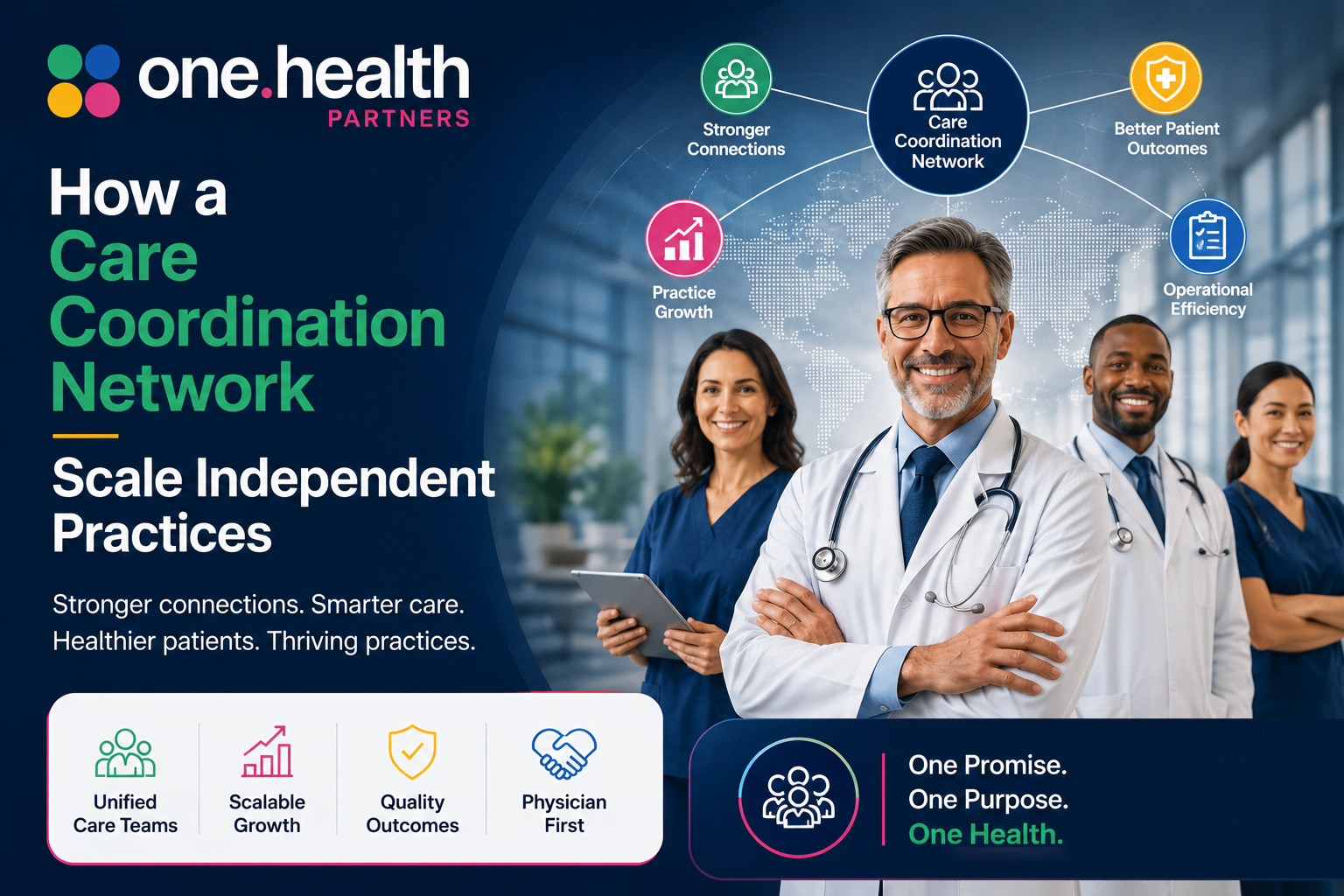
If you run an independent specialty clinic today, you already know the feeling. You spent twelve hours seeing patients, but your head is still spinning from phone calls with discharge planners, missing lab reports, and insurance authorization rejections. I was talking to a rheumatology practice owner in Naperville not long ago, and he made a point that stuck with me. He said he felt less like a doctor and more like an air-traffic controller operating without radar.
That is the reality for thousands of standalone medical clinics. Delivering excellent clinical care simply isn’t enough anymore when the surrounding system feels completely fragmented.
When patient transitions between hospitals, home health, post-acute rehab, and specialty clinics fall through the cracks, your practice absorbs the financial and administrative hit. This is precisely where plugging into a dedicated care coordination network changes everything. In this article, we will walk through how an operator-led care network provides the operational backbone, technology, and patient tracking required to scale your practice while keeping your clinical autonomy intact.
The Broken Web of Modern Patient Transitions
Let's look at what happens in a typical independent practice setting. A patient with complex medical needs gets discharged from a regional hospital or skilled nursing facility. They are supposed to follow up with your specialty practice within five days.
What actually happens?
-
The hospital discharge summary gets faxed to a wrong number or burried in a general EHR inbox.
-
The patient forgets to schedule their follow-up appointment or runs into transportation issues.
-
Necessary post-acute lab work or imaging records never make it to your desk before the consultation.
-
Specialty medications hit a wall of prior authorization delays at the local retail pharmacy.
When these handoffs break down, the patient ends up back in the emergency room. Your clinic misses the follow-up visit, loses out on vital care management revenue, and spends hours of unpaid staff time chasing paperwork. Large hospital conglomerates deal with this by throwing massive teams of salaried case managers at the problem. For a two or three-physician practice, that kind of overhead is simply out of the question.
How a Care Coordination Network Levels the Playing Field
An integrated care coordination network acts as a bridge connecting independent practices directly to the broader healthcare system. Instead of your clinic operating as an isolated island, you get connected into a real-time communication and management framework.
By pooling operational resources under an operator-led model rather than a profit-driven private equity structure, independent clinics get enterprise-scale coordination tools without taking on massive debt or selling their practice keys.
Independent Specialty Clinic
Care Coordination Network Backend:
- Real-Time Patient Tracking
- Post-Acute Care Integration
- 35-State Specialty Pharmacy
- Advanced Lab & Pathology Access
- Hospitals, SNFs & Home Health Services
When you look at healthcare networks built by operators, like One Health Partners (OHP), the entire system is designed around
supporting physician workflows rather than satisfying outside investors. With a network linked into over 2,500 skilled nursing facilities and post-acute providers, independent practices gain instant visibility into where their patients are and what care they need next.
Core Pillars That Drive Growth for Independent Clinics
Scaling a medical practice doesn't just mean adding more clinical staff or expanding your physical footprint. Real growth comes from plugging operational leaks and opening new clinical service lines.
Joining a robust care coordination network drives practice expansion through four practical channels:
1. Seamless Post-Acute and Hospital Connections
When your practice links into a centralized coordination engine, patient transitions become automated. You receive instant notifications when one of your patients gets admitted or discharged from a post-acute facility or hospital. Your staff can schedule timely follow-up visits immediately, keeping clinical gaps low and patient retention high.
2. Integrated Specialty Pharmacy and Infusion Support
Managing specialty therapies usually means wading through endless paperwork with outside pharmacy benefit managers. Network integration changes that completely. Having access to a 35-state specialty pharmacy network and dedicated in-house infusion suites means your patients get specialized biologics and therapeutics without months of administrative friction.
3. Reduced Administrative Drag for Staff
Your clinical staff shouldn't be spending six hours a day on hold with insurance companies or hunting down faxed medical records. A network handles centralized back-office functions including billing compliance, credentialing, and care management tracking allowing your in-clinic team to focus on the patients sitting in your waiting room.
4. Protecting Your Brand and Financial Autonomy
Unlike private equity firms that buy up practices, load them with corporate debt, and force brand overhauls, an operator-led network preserves your identity. Organizations like OHP operate with zero debt on their balance sheet and a non-profit structure, meaning capital gets reinvested back into clinical tools. You keep your local practice name, your clinical team, and 100% of your medical decision-making freedom.
Comparing Independent Growth Pathways
To figure out the best path forward for your clinic, it helps to see how different business models handle daily care management and practice growth:
-
Traditional Solo Practice
-
Care Coordination: Manual (faxes, phone calls, patient self-reporting)
-
Specialty Services: Limited (outsourced labs, retail pharmacy delays)
-
Administrative Overhead: Extremely High
-
Clinical Autonomy: High, but high risk of physician burnout
-
Corporate / Private Equity Buyout
-
Care Coordination: Centralized, but driven by strict cost-cutting metrics
-
Specialty Services: Restricted to corporate-mandated vendors
-
Administrative Overhead: Shifted to corporate, but accompanied by loss of control
-
Clinical Autonomy: Low (rigid patient quotas and corporate mandates)
-
Physician Care Network (OHP Model)
-
Care Coordination: Automated across 2,500+ post-acute & hospital partners
-
Specialty Services: Direct access to in-house infusion, labs, and 35-state pharmacy
-
Administrative Overhead: Low (shared enterprise infrastructure)
-
Clinical Autonomy: 100% Doctor-Led with zero-debt financial backing
Taking Control of Your Practice’s Growth
You didn't go through years of grueling medical training just to spend your evenings arguing with insurance companies and tracking down missing paperwork. Your patients deserve connected, high-quality healthcare, and your practice deserves an operational model that lets you thrive without selling out.
By partnering with an independent medical practice like One Health Partners, you get the enterprise scale, post-acute connectivity, and specialty pharmacy backing required to scale your business, all while keeping full control of your clinical practice.
If you are ready to eliminate administrative headaches and see how a care coordination network can transform your practice operations, connect with the team at OHP today to start the conversation.
Frequently Asked Questions
1. What exactly is a care coordination network?
A care coordination network is an integrated system that connects independent medical practices with hospitals, post-acute care facilities, specialty pharmacies, and diagnostic labs. It provides shared technology and administrative support to track patient care transitions seamlessly across different healthcare settings.
2. How does care coordination help my practice generate revenue?
It reduces missed follow-up appointments, captures billable care management services, speeds up specialty medication administration, and opens up new high-margin service lines like on-site infusion therapies and advanced diagnostic testing.
3. Will I lose control over my practice operations or clinical decisions?
Not with a physician-focused network like One Health Partners. Unlike corporate consolidators, an operator-led network supports your business in the background while leaving clinical protocols, patient scheduling, and medical decisions entirely in your hands.
4. How does the network improve specialty drug access for my patients?
By leveraging a 35-state specialty pharmacy network, prior authorizations and prescription fulfillment are handled through specialized channels. This eliminates delays and prevents patients from abandoning complex treatment plans.
5. What happens to my clinic staff and local practice brand?
Everything stays intact. Your practice retains its local name, brand reputation, and staff. The network acts as an underlying support engine, handling complex backend logistics without disrupting your day-to-day clinic operations.
- Managerial Effectiveness!
- Future and Predictions
- Motivatinal / Inspiring
- Fitness and Wellness
- Medical & Health
- Manufacturing
- Education
- Real-Estate
- Food Industry
- Hospitality
- Online Games
- Sports
- Home Services
- Civil Engineering
- Safety and Protection
- Software Products & Services
- Fashion and Jewellery
- Artificial Intelligence
- Entrepreneurship
- Mentoring & Guidance
- Marketing
- Networking
- HR & Recruiting
- Literature
- Shopping
- Career Management & Advancement