

 SkillClick
Why Precise pH Control Is Becoming Critical Across Water, Food, and Industry
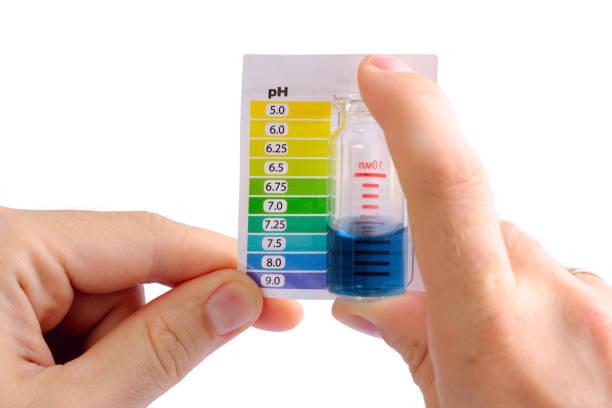
pH control is essential in water treatment, food processing, pharmaceuticals, agriculture, chemicals, textiles, mining, and industrial manufacturing. Even minor changes in acidity or alkalinity can affect chemical reactions, product stability, microbial activity, corrosion, scaling, and treatment performance. pH adjusters help maintain liquids and formulations within defined operating ranges by introducing carefully measured acidic or alkaline substances.
A recent study by MarkNtel Advisors highlights that the pH adjuster sector was valued at USD 2.89 billion in 2025. It is projected to grow from USD 3.02 billion in 2026 to USD 4.98 billion by 2032, registering a CAGR of 8.69% during 2026–2032. Growth reflects water-treatment investment, industrial neutralisation, food production, agriculture, and demand for consistent product quality.
Water Treatment Depends on Balanced Chemistry
pH is a measure of how acidic or alkaline water is, with values below seven indicating acidity and values above seven indicating alkalinity. The U.S. Geological Survey’s explanation of pH identifies it as an important indicator of chemical changes in water. Treatment operators monitor pH because it influences disinfection, coagulation, biological activity, corrosion, and the removal of dissolved contaminants.
Acidic water can damage pipes, tanks, pumps, and metal components, while highly alkaline water can encourage scaling and mineral deposits. Treatment plants therefore use substances such as lime, sodium hydroxide, sulfuric acid, carbon dioxide, and other adjusting agents according to the source water, treatment method, and desired output quality.
Industrial Wastewater Requires Neutralisation
Industrial facilities can generate wastewater with highly acidic or alkaline characteristics. Metal processing, mining, textiles, chemicals, food production, paper manufacturing, and petroleum operations often require neutralisation before wastewater can enter biological treatment systems, public sewers, or receiving environments.
The U.S. Environmental Protection Agency explains that industrial pretreatment requirements apply to non-domestic dischargers and are designed to control pollutants entering municipal wastewater systems. Its industrial pretreatment standards demonstrate why facilities must manage wastewater characteristics before discharge.
Both excessively low and high pH can corrode wastewater infrastructure and interfere with microorganisms used during biological treatment. Accurate adjustment therefore protects downstream equipment while helping treatment processes operate under more stable conditions.
Food Processing Requires Consistent Acidity
Food and beverage manufacturers use pH control to influence flavour, texture, colour, preservation, fermentation, and product stability. Citric acid, phosphoric acid, lactic acid, sodium bicarbonate, and other substances may be used depending on the formulation and processing requirements.
The U.S. Food and Drug Administration defines acidified foods partly through their finished equilibrium pH. Its guidance for acidified and low-acid foods notes that acidified products generally have a finished equilibrium pH of 4.6 or below. This illustrates how pH control can directly affect food safety, processing requirements, and shelf stability.
Product Formulation Needs Precise Adjustment
Pharmaceuticals, cosmetics, detergents, coatings, and personal-care products require carefully controlled pH levels to maintain ingredient stability and user compatibility. An unsuitable pH can change product texture, reduce preservative effectiveness, affect active ingredients, or damage packaging materials.
Manufacturers therefore use laboratory testing, calibrated sensors, and controlled dosing systems throughout formulation and production. The selected adjuster must remain compatible with other ingredients and should not introduce unwanted colour, odour, residues, or chemical reactions.
Agriculture Benefits from Better pH Management
Soil and irrigation-water pH affect nutrient availability and crop development. Highly acidic or alkaline conditions can limit a plant’s ability to absorb nutrients even when those nutrients are present in the soil. Agricultural users may apply lime, sulfur-based products, acids, or alkaline materials after evaluating soil and water conditions.
Accurate adjustment is important because excessive application can create new nutrient imbalances. Soil testing and application-specific dosing help growers select suitable products rather than relying on general treatment rates.
Automated Dosing Improves Accuracy and Safety
Modern facilities are increasingly combining pH adjusters with sensors, digital controllers, and automated dosing pumps. These systems measure conditions continuously and add controlled quantities when readings move outside the required range.
Automation can reduce manual handling, chemical waste, inconsistent dosing, and operator exposure. It also creates records that support quality control, maintenance planning, and regulatory documentation. As industries require more reliable water, consistent formulations, and efficient processing, precise pH management will remain central to product quality, infrastructure protection, and environmental performance.
- Managerial Effectiveness!
- Future and Predictions
- Motivatinal / Inspiring
- Fitness and Wellness
- Medical & Health
- Manufacturing
- Education
- Real-Estate
- Food Industry
- Hospitality
- Online Games
- Sports
- Home Services
- Civil Engineering
- Safety and Protection
- Software Products & Services
- Fashion and Jewellery
- Artificial Intelligence
- Entrepreneurship
- Mentoring & Guidance
- Marketing
- Networking
- HR & Recruiting
- Literature
- Shopping
- Career Management & Advancement