

 SkillClick
How EV Battery Housing Improves Electric Vehicle Safety
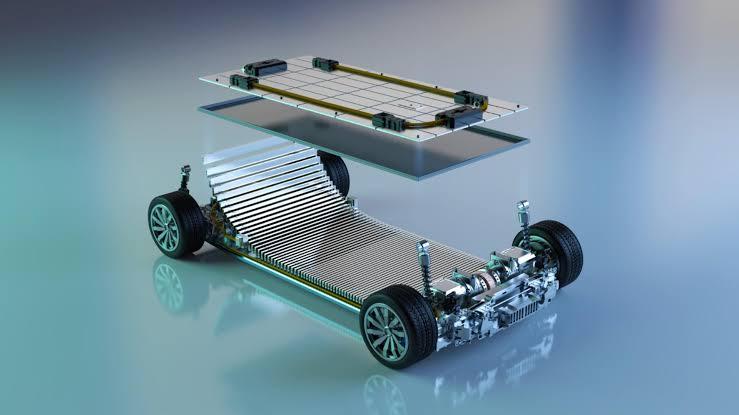
The rapid transition toward electric mobility has placed greater emphasis on every component that contributes to vehicle safety, efficiency, and performance. While batteries often receive the most attention, the structure that protects them is equally important. Electric vehicle battery housing serves as the first line of defense against physical damage, heat, moisture, and environmental stress, making it a vital part of modern EV design.
As automakers continue introducing new electric models, the demand for lightweight yet durable battery protection systems is increasing. According to a recent analysis by MarkNtel Advisors, advancements in battery enclosure materials and manufacturing technologies are becoming a major focus for manufacturers seeking to improve vehicle efficiency and passenger safety. The report also highlights how innovations in battery protection are supporting the broader adoption of electric vehicles worldwide. Learn more through this detailed industry analysis on EV battery enclosures.
What Is Electric Vehicle Battery Housing?
Electric vehicle battery housing is the protective enclosure that surrounds and secures the battery pack inside an electric vehicle. It is designed to withstand mechanical impacts, prevent contamination from dust and water, and manage heat generated during battery operation. The housing also provides structural support while helping maintain the integrity of battery cells during collisions.
Battery housings are engineered using materials such as aluminum, high-strength steel, magnesium alloys, and advanced composites. Each material offers unique benefits depending on the vehicle's weight requirements, safety standards, and manufacturing costs.
Why Battery Housing Is Essential for EV Safety
The battery pack is one of the most valuable and sensitive components in an electric vehicle. Without adequate protection, impacts from road debris, collisions, or harsh weather conditions could damage battery cells and affect vehicle performance. Battery housing minimizes these risks by providing a rigid protective barrier while ensuring structural stability.
Modern battery housings are also designed to reduce the likelihood of thermal events by incorporating cooling channels, insulation materials, and ventilation systems that help regulate battery temperatures under different driving conditions.
Organizations such as the National Highway Traffic Safety Administration (NHTSA) continue to emphasize vehicle safety standards for electric vehicles, while the International Energy Agency (IEA) highlights the growing importance of battery technologies in accelerating global EV adoption.
Key Features of Modern Battery Housing Systems
- Impact Resistance: Protects battery modules during accidents or collisions.
- Thermal Management: Supports cooling systems to maintain optimal battery temperature.
- Water and Dust Protection: Prevents contaminants from reaching sensitive battery components.
- Structural Support: Enhances vehicle rigidity and improves crash performance.
- Lightweight Construction: Reduces vehicle weight to improve driving efficiency and range.
Material Innovations Driving Better Performance
Material selection has become one of the biggest innovations in battery housing development. Aluminum continues to dominate due to its excellent balance of strength, corrosion resistance, and lightweight properties. However, manufacturers are increasingly exploring composite materials and hybrid designs that further reduce weight while maintaining structural integrity.
Advanced manufacturing processes, including high-pressure die casting, extrusion, and integrated casting technologies, are also helping produce stronger battery enclosures with fewer components. These manufacturing improvements simplify assembly while increasing production efficiency for automakers.
Research from the U.S. Department of Energy also supports ongoing development of lightweight materials and advanced battery systems to improve electric vehicle efficiency and overall safety.
Role of Battery Housing in Thermal Management
Battery performance depends heavily on maintaining stable operating temperatures. Excessive heat can reduce battery efficiency, shorten lifespan, and affect charging performance. Battery housing works together with liquid cooling systems, thermal insulation, and heat dissipation technologies to maintain safe operating conditions.
Many next-generation battery housings integrate cooling plates directly into the enclosure, allowing more efficient heat transfer without adding significant weight. These innovations are becoming increasingly important as ultra-fast charging technologies continue to evolve.
Growing Demand Across Electric Vehicle Segments
The expansion of battery housing technologies extends beyond passenger cars. Commercial vehicles, electric buses, delivery vans, and heavy-duty trucks all require highly durable battery enclosures capable of supporting larger battery packs and longer operating hours.
As governments continue supporting electric mobility through stricter emission regulations and infrastructure investments, manufacturers are expected to prioritize battery safety, lightweight construction, and sustainable material usage across multiple vehicle categories.
Future Trends in EV Battery Housing
Several technological trends are shaping the future of battery housing design. Integrated battery platforms are reducing the number of structural components while improving vehicle efficiency. Recyclable materials are becoming increasingly attractive as sustainability gains importance throughout automotive manufacturing. Artificial intelligence and digital engineering tools are also helping manufacturers optimize enclosure designs before production begins.
Another emerging trend involves structural battery packs, where the battery enclosure becomes part of the vehicle's chassis. This approach reduces overall vehicle weight while increasing rigidity and improving driving performance.
Conclusion
Electric vehicle battery housing has evolved into one of the most critical safety components in modern EVs. Beyond protecting battery cells, these advanced enclosures contribute to thermal management, vehicle strength, weight reduction, and long-term battery reliability. As electric mobility continues expanding worldwide, innovations in materials, manufacturing processes, and integrated battery designs will play an increasingly important role in shaping the future of transportation.
Industry research indicates that manufacturers will continue investing in smarter, lighter, and more sustainable battery housing solutions to meet evolving consumer expectations and regulatory requirements. These developments are expected to strengthen the next generation of electric vehicles while enhancing safety, performance, and overall driving experience.
- Managerial Effectiveness!
- Future and Predictions
- Motivatinal / Inspiring
- Fitness and Wellness
- Medical & Health
- Manufacturing
- Education
- Real-Estate
- Food Industry
- Hospitality
- Online Games
- Sports
- Home Services
- Civil Engineering
- Safety and Protection
- Software Products & Services
- Fashion and Jewellery
- Artificial Intelligence
- Entrepreneurship
- Mentoring & Guidance
- Marketing
- Networking
- HR & Recruiting
- Literature
- Shopping
- Career Management & Advancement