

 SkillClick
A First-Time Expat's Guide to Drying Laundry Indoors in Singapore
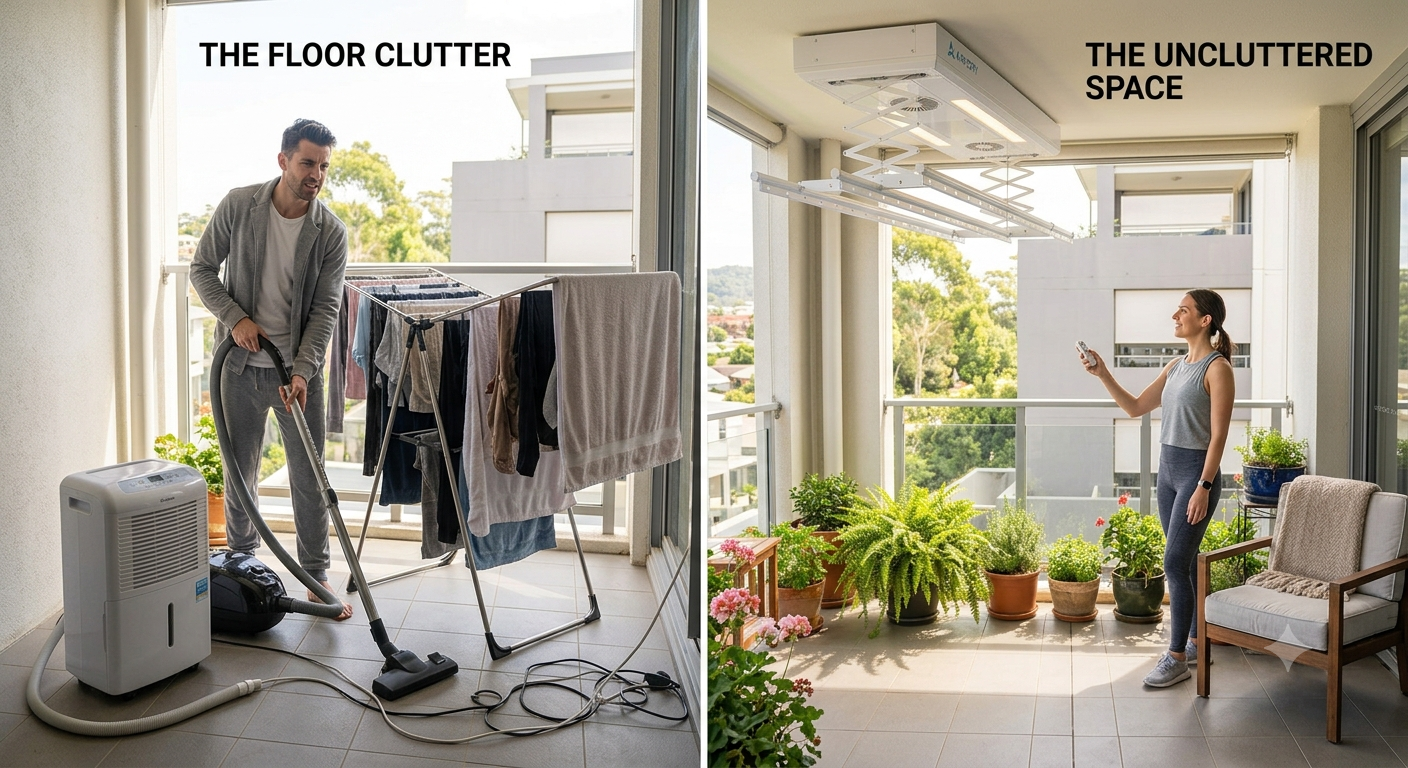
Moving to Singapore from a country with a tumble dryer in most homes, or a climate dry enough for laundry to air-dry outdoors within an hour, comes with a genuine adjustment curve around something as basic as drying clothes. It catches a lot of new expats off guard in the first few months, more than most other everyday adjustments people expect when relocating.
The core issue is Singapore's year-round humidity, typically sitting well above 70 percent, combined with frequent rain that makes outdoor drying unreliable even when it is not actively raining, since the ambient air itself is already saturated with moisture. Clothes hung to air-dry indoors in this climate, without any fan or heat assistance, can take considerably longer than expats are used to, and often develop a musty smell if left even slightly damp for too long, since the moisture never fully evaporates the way it would in a drier climate.
Tumble dryers, standard in many homes across colder or drier climates, are far less common in Singapore households, partly due to space constraints in most HDB and condo units, and partly because they use considerably more electricity to run than the fan and heat drying used in local laundry rack systems. New expats often go looking for a dryer as their first instinct, only to find limited options and higher electricity bills as a result, before discovering that most local households solve this differently.
The local solution, an automated ceiling-mounted laundry rack with built-in fans and often a heater, is unfamiliar to most people arriving from outside Singapore, simply because it is not a common appliance category in most other countries. It occupies a middle ground between fully passive air-drying, which struggles in Singapore's humidity, and a full tumble dryer, which uses far more electricity and space than most local homes have room for.
For expats renting rather than owning, it is worth checking early whether an existing rental unit already has one installed, since many landlords in Singapore include this as a standard fixture precisely because local tenants expect it. If a rental does not have one, it is worth raising the question with the landlord directly, since installing one is a common enough request that most landlords are familiar with the process, even if it is an unusual conversation for someone new to renting in Singapore.
Basic laundry habits also need adjusting for the climate. Leaving damp clothes bunched together for even a short period, something that might be harmless in a drier climate, encourages mould and musty smells much faster in Singapore's humidity. Getting laundry onto a rack, ideally one with fan assistance, as soon as possible after washing makes a noticeable difference compared to the habits many expats bring from a drier home country.
For anyone newly arrived and adjusting to this, it is worth spending a bit of time understanding the local laundry rack category specifically, rather than assuming a dehumidifier or an imported tumble dryer is the obvious fix, since local suppliers like GoodLiving have built their products around this exact climate problem. For more on this specific stretch of the year, GoodLiving's guide to drying clothes during Singapore's rainy season goes into further depth.
- Managerial Effectiveness!
- Future and Predictions
- Motivatinal / Inspiring
- Fitness and Wellness
- Medical & Health
- Manufacturing
- Education
- Real-Estate
- Food Industry
- Hospitality
- Online Games
- Sports
- Home Services
- Civil Engineering
- Safety and Protection
- Software Products & Services
- Fashion and Jewellery
- Artificial Intelligence
- Entrepreneurship
- Mentoring & Guidance
- Marketing
- Networking
- HR & Recruiting
- Literature
- Shopping
- Career Management & Advancement