

 SkillClick
Why Jowar Digests Better Than Wheat for Most Indian Adults – The Science Explained Simply
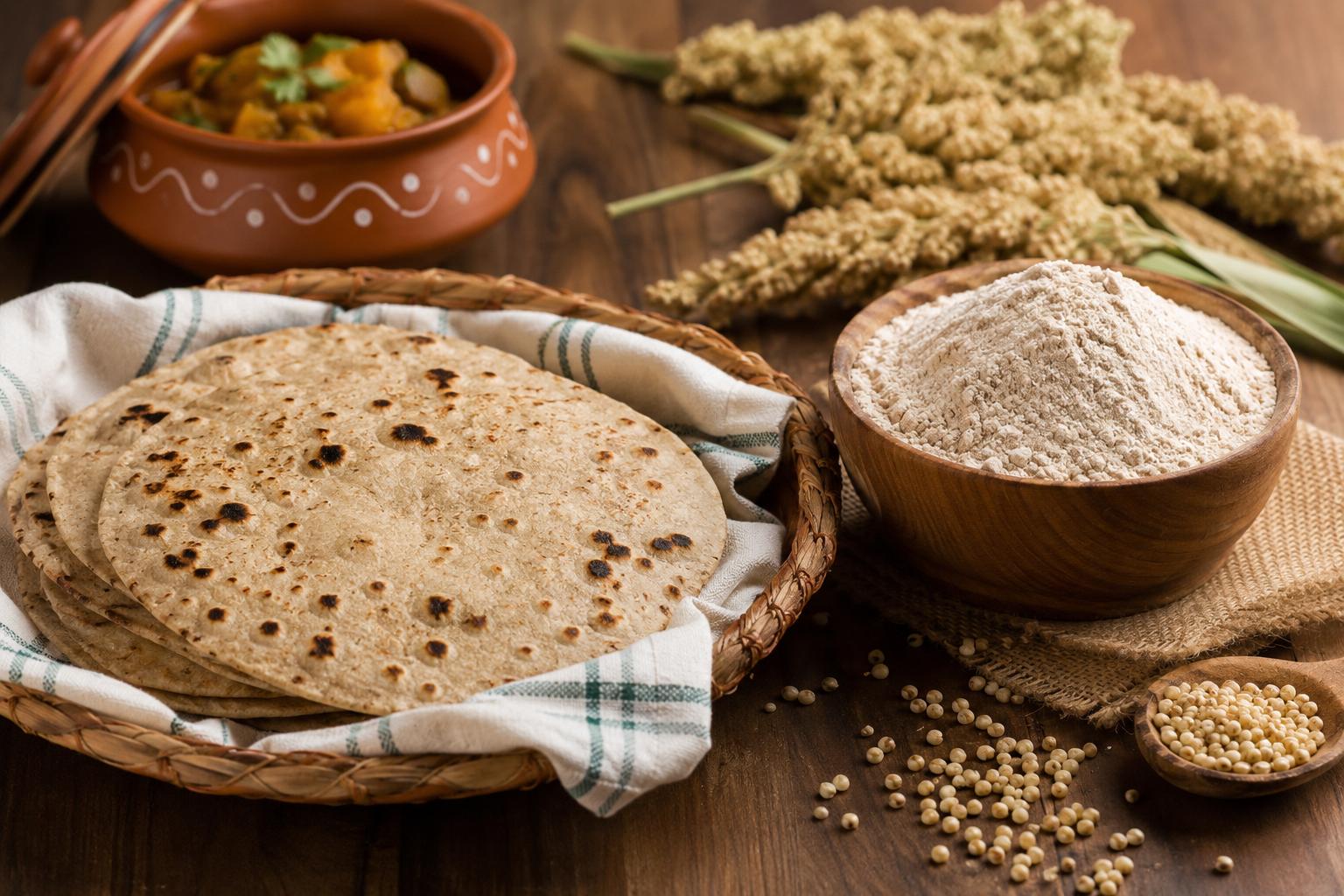
Why Jowar Digests Better Than Wheat for Most Indian Adults
Nobody talks about wheat digestion problems the way they talk about lactose intolerance or nut allergies. And yet, if you've ever felt heavy, bloated, or sluggish after a wheat-heavy meal — and wondered whether it was something you ate — you're in considerably larger company than the clinical literature on diagnosed wheat conditions would suggest.
The reality is that wheat sensitivity exists on a spectrum. At one end is celiac disease — a well-defined autoimmune condition affecting a small percentage of the population. At the other end is a much larger, much less formally acknowledged category: people who digest refined wheat flour less comfortably than their digestive systems would prefer, without meeting any diagnostic threshold that puts them in a medical category. These people aren't sick. They're just using a grain that their gut processes less efficiently than the alternatives — and they often don't know there are alternatives that work in the same cooking context.
Jowar is one of those alternatives. The reason it digests differently from wheat isn't mysterious, but it does require understanding what's actually happening when each grain moves through the digestive system. The resource on jowar flour from 10on10foods covers the full spectrum of applications and health context in a way that's practically useful for kitchen decisions.
What Happens When You Eat Refined Wheat Flour
Refined wheat flour — the kind used in most commercial atta products — has had its bran and germ removed during milling. What remains is primarily starch, with the protein complex gluten intact. When refined wheat enters the digestive system, the starch breaks down rapidly because there's nothing to slow it — the fibre that would have modulated digestion speed is gone.
The result is a rapid glucose release into the bloodstream, a correspondingly rapid insulin response, and a relatively quick return to hunger as blood sugar normalises. For people with efficient digestive systems and good insulin sensitivity, this cycle doesn't cause obvious problems. For a growing share of the Indian adult population — particularly those managing weight, blood sugar, or digestive irregularity — the cycle produces cumulative effects that show up as fatigue, bloating, or metabolic drift over time.
The gluten component adds a separate layer of consideration. Gluten — specifically its gliadin fraction — triggers an immune response in people with celiac disease. But research also suggests that non-celiac gluten sensitivity is real and more common than formal diagnosis rates capture, producing digestive discomfort, inflammation, and brain fog in people who test negative for celiac disease. The mechanism is less well understood than celiac, but the clinical observation is consistent enough to take seriously.
Why Jowar Flour Digests Differently
Jowar flour — ground from sorghum, a grain that contains no gluten — removes both of the digestive challenges that refined wheat creates.
The absence of gluten means the immune-mediated and sensitivity-driven responses that some people experience with wheat simply don't occur. The digestive system processes jowar starch through standard enzymatic pathways without the immune layer that complicates wheat digestion for sensitive individuals.
More significantly for most people, jowar flour retains the bran and germ layers that commercial wheat flour milling removes. This means the fibre content is intact — and intact fibre changes the entire digestive profile of the grain. Digestion slows. Glucose enters the bloodstream gradually rather than rapidly. Satiety is extended. The gut microbiome, which feeds preferentially on dietary fibre, receives the substrate it needs to maintain the diversity associated with good digestive function.
The practical experience of this difference, for people making the switch from refined wheat to jowar flour in daily cooking, tends to show up as reduced post-meal heaviness, more consistent energy across the hours following a meal, and — for those with chronic bloating — a noticeable reduction in symptoms within two to three weeks of consistent use.
The Fibre Types in Jowar and Why They Matter Specifically
Not all fibre is the same, and the types present in jowar are worth understanding because they work through different mechanisms with different benefits.
Insoluble fibre — the kind that adds bulk to digestion and supports regularity — is present in jowar's bran layers and supports the mechanical movement of digested material through the gut. This is the fibre type most associated with constipation prevention and colon health.
Resistant starch — a type of carbohydrate that behaves like fibre in the digestive tract rather than being absorbed as glucose — is present in jowar at levels higher than in refined wheat. Resistant starch passes through the small intestine without being absorbed, reaching the colon where it functions as a prebiotic, feeding beneficial gut bacteria. The short-chain fatty acids these bacteria produce in response are associated with reduced gut inflammation, improved gut barrier function, and a range of systemic health benefits that research is still characterising.
The Iron Absorption Question
One nutritional consideration that sometimes complicates the jowar conversation is phytic acid — an antinutrient found in whole grains and legumes that can bind to minerals like iron and zinc, reducing their absorption. Jowar does contain phytic acid, as do most whole grains including whole wheat.
The practical significance of this for most Indian diets is modest. The iron content in jowar is meaningful enough that even accounting for partial phytic acid binding, the net iron contribution from regular jowar consumption compares favourably to refined wheat flour, which has minimal iron to begin with after the bran and germ are removed. Cooking jowar flour into rotis, fermented preparations like dosa, or soaked preparations reduces phytic acid content through heat and fermentation, further improving mineral bioavailability.
How to Start Using Jowar in Daily Cooking
The most practical starting point for incorporating jowar into daily cooking is jowar atta for regular rotis — the same cooking context as wheat atta, with a short adjustment period to get comfortable with dough that handles slightly differently from wheat.
The dough requires more water than wheat atta, benefits from resting after kneading, and produces rotis that are firmer and slightly more crumbly than wheat — characteristics that most households come to prefer once familiar.
For those who want to go deeper into the grain's range of uses before committing to it as a daily flour, the resource on jowar flour from 10on10foods covers the full spectrum of applications and health context in a way that's practically useful for kitchen decisions. And for households ready to make jowar atta the daily flour choice, 10on10foods' jowar atta is available in a consistently processed form that preserves the nutritional properties that make the switch worthwhile.
- Managerial Effectiveness!
- Future and Predictions
- Motivatinal / Inspiring
- Fitness and Wellness
- Medical & Health
- Manufacturing
- Education
- Real-Estate
- Food Industry
- Hospitality
- Online Games
- Sports
- Home Services
- Civil Engineering
- Safety and Protection
- Software Products & Services
- Fashion and Jewellery
- Artificial Intelligence
- Entrepreneurship
- Mentoring & Guidance
- Marketing
- Networking
- HR & Recruiting
- Literature
- Shopping
- Career Management & Advancement