

 SkillClick
How Dentists Decide on the Best Tooth Replacement Option for You
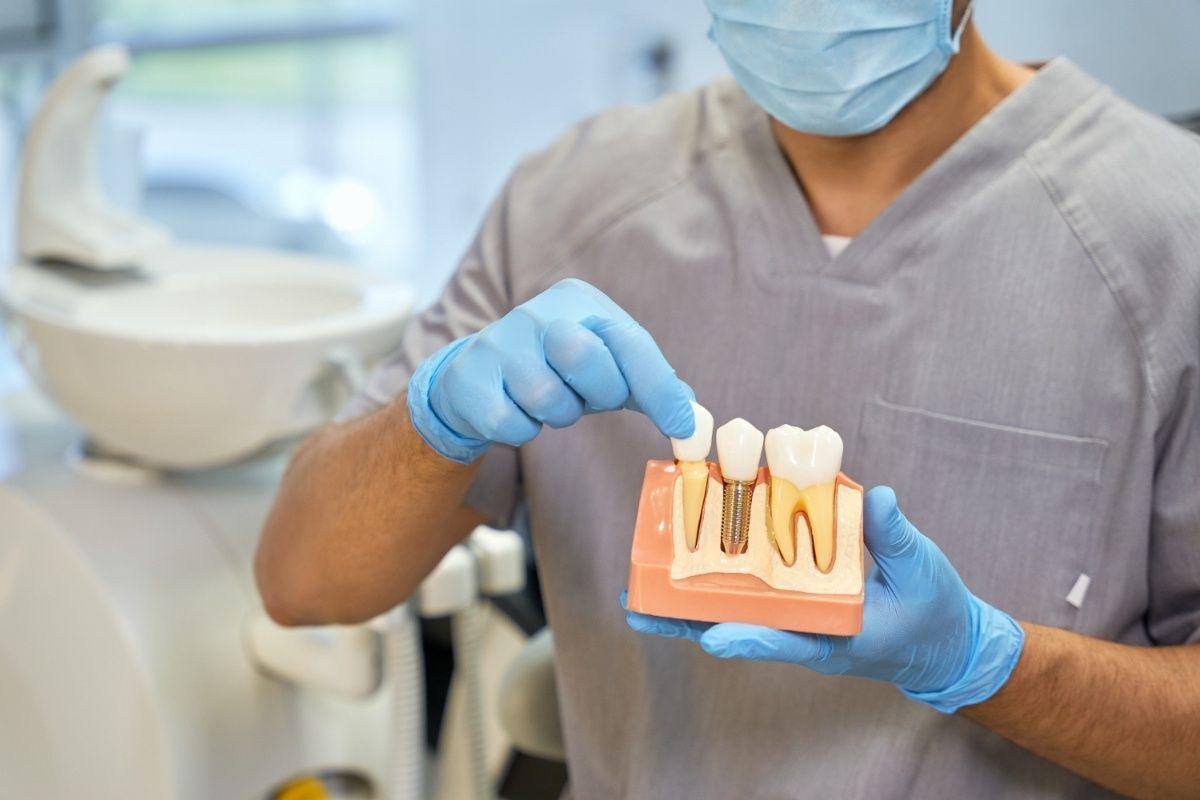
When you lose a tooth, it can affect not only your appearance but also your ability to eat, speak, and feel confident. Fortunately, modern dentistry offers several effective tooth replacement options that can restore your smile and oral function. Whether you’ve lost a single tooth or multiple teeth, your dentist will carefully evaluate your oral health and recommend the best treatment plan to meet your needs.
In this blog, we’ll discuss how dentists decide on the best tooth replacement options for their patients, including factors such as the types of dental implants available, your oral health, and personal preferences. Understanding how your dentist determines the right solution for you will help you make an informed decision about your dental care.
Factors Dentists Consider When Choosing a Tooth Replacement Option
Choosing the right tooth replacement option is a personalized process, and your dentist will consider several factors to ensure the best outcome. Here are the primary factors that influence your dentist's decision:
1. The Condition of Your Jawbone
One of the most important factors in determining the best tooth replacement option is the condition of your jawbone. After losing a tooth, the bone in the area where the tooth once was may start to deteriorate over time. This is because the tooth root is no longer stimulating the bone, which can lead to bone loss.
Dental implants, for example, require a strong and healthy jawbone for proper placement. If you don’t have enough bone density, your dentist may suggest a bone grafting procedure before implant placement. If bone grafting is not a viable option, other tooth replacement options, such as dental bridges or dentures, may be considered.
During your consultation, your dentist will assess your bone health using X-rays or 3D scans to determine whether implants are a suitable option or if other treatments should be explored.
2. Your Overall Health and Medical History
Your general health plays a crucial role in determining which tooth replacement option is best for you. If you have underlying medical conditions like diabetes, osteoporosis, or heart disease, your dentist will take extra care to ensure that the chosen treatment won’t interfere with your health.
For example, dental implants require surgery, and patients with certain health conditions may face higher risks or slower healing times. In such cases, your dentist might recommend alternative treatments such as bridges or partial dentures, which don’t involve surgery.
It’s important to inform your dentist about your medical history, current medications, and any allergies during your consultation so they can choose the safest and most effective treatment option for you.
3. The Number of Missing Teeth
The number of missing teeth is another key factor in determining the best replacement option. If you’ve lost a single tooth, a dental implant or dental bridge may be ideal. However, if you’re missing multiple teeth or an entire arch of teeth, your dentist may recommend partial or full dentures, or multiple dental implants for a more comprehensive solution.
If you’re missing several teeth in a row, a dental bridge can fill the gaps. Bridges use neighboring teeth as anchors, and they are a great option when you want a fixed restoration that doesn’t require the complexity of dental implants.
For multiple missing teeth, especially if they’re located in different areas of your mouth, your dentist may suggest different types of dental implants or a combination of implants and bridges. Full dentures are also an option for patients who have lost all their teeth in a particular arch.
4. Aesthetic Considerations
For many patients, the appearance of the tooth replacement is a top priority. Dental implants are often the preferred option when aesthetics are important because they look and feel like natural teeth. Implants are placed directly into the jawbone, and a custom-made crown is attached to the implant, providing a natural and seamless result.
Other options, such as bridges and dentures, may be less aesthetically pleasing because they rest on the gums and are more visible. However, modern bridges and dentures are designed to look natural and blend with your surrounding teeth.
If you are particularly concerned about the appearance of your replacement teeth, dental implants may be the best option due to their superior aesthetics and ability to mimic the look of natural teeth.
5. Cost Considerations
The cost of tooth replacement options can vary significantly depending on the type of treatment you choose. Dental implants are often considered a long-term investment because they are durable and provide a natural appearance, but they tend to be more expensive than other options.
Dental bridges and dentures are typically more affordable upfront, but they may require more maintenance and eventually need replacement over time. Your dentist will discuss the cost of each option and help you weigh the long-term benefits against the initial investment.
Some dental insurance plans may cover a portion of the cost of tooth replacement, so it’s important to check with your provider to understand what’s covered. Many dental offices also offer financing options to help manage the cost of treatment.
Types of Tooth Replacement Options
There are several options for replacing missing teeth, each with its own benefits and considerations. Let’s take a closer look at the most common types:
1. Dental Implants
Dental implants are the gold standard for tooth replacement. They consist of a titanium post that is surgically placed into the jawbone, acting as a replacement for the tooth root. After the implant integrates with the bone, a custom-made crown is attached to the post, providing a durable and aesthetically pleasing solution.
Benefits of Dental Implants:
-
Long-lasting and durable
-
Natural appearance and function
-
Protects bone health by stimulating the jawbone
-
Doesn’t require alteration of adjacent teeth
Dental implants are an excellent choice for patients who have sufficient bone density and want a permanent solution that mimics the function of natural teeth.
2. Dental Bridges
A dental bridge is a fixed prosthetic that bridges the gap created by one or more missing teeth. It consists of an artificial tooth that is anchored by crowns placed on the adjacent teeth. Bridges are typically used for patients who are missing a few teeth in a row.
Benefits of Dental Bridges:
-
Non-invasive compared to implants
-
Can replace multiple missing teeth
-
Restores the ability to chew and speak properly
Bridges are a good choice for patients who have healthy teeth on either side of the gap and want a fixed solution without the need for surgery.
3. Dentures
Dentures are removable prosthetic devices that replace missing teeth. There are two types of dentures: partial dentures (for patients missing some teeth) and complete dentures (for patients missing all their teeth in an arch).
Benefits of Dentures:
-
More affordable than dental implants
-
Can replace multiple or all missing teeth
-
Comfortable and functional for many patients
While dentures are a versatile option, they do require regular maintenance and can affect comfort and speech. They may also need to be relined or replaced over time.
4. Partial Dentures
Partial dentures are similar to full dentures, but they are designed for patients who are missing only a few teeth. They are attached to a metal or acrylic framework that fits around your natural teeth, holding the dentures in place.
Benefits of Partial Dentures:
-
Affordable and easy to adjust
-
Can fill gaps created by missing teeth
-
Comfortable for most patients
Partial dentures are a great choice for people who have multiple missing teeth but still have healthy teeth remaining.
Conclusion
Choosing the right tooth replacement option is a personalized decision that depends on various factors, including your oral health, the number of missing teeth, aesthetic preferences, and budget. Your dentist in Corio will carefully evaluate your needs and recommend the most suitable solution for restoring your smile and oral function.
Whether you’re considering different types of dental implants, bridges, or dentures, it’s essential to consult with your dentist to discuss the benefits and risks of each option. With the right treatment, you can regain a healthy, confident smile that lasts for years to come.
- Managerial Effectiveness!
- Future and Predictions
- Motivatinal / Inspiring
- Fitness and Wellness
- Medical & Health
- Manufacturing
- Educación
- Real-Estate
- Food Industry
- Hospitality
- Online Games
- Sports
- Home Services
- Civil Engineering
- Safety and Protection
- Software Products & Services
- Fashion and Jewellery
- Artificial Intelligence
- Entrepreneurship
- Mentoring & Guidance
- Marketing
- Networking
- HR & Recruiting
- Literature
- Shopping
- Career Management & Advancement